
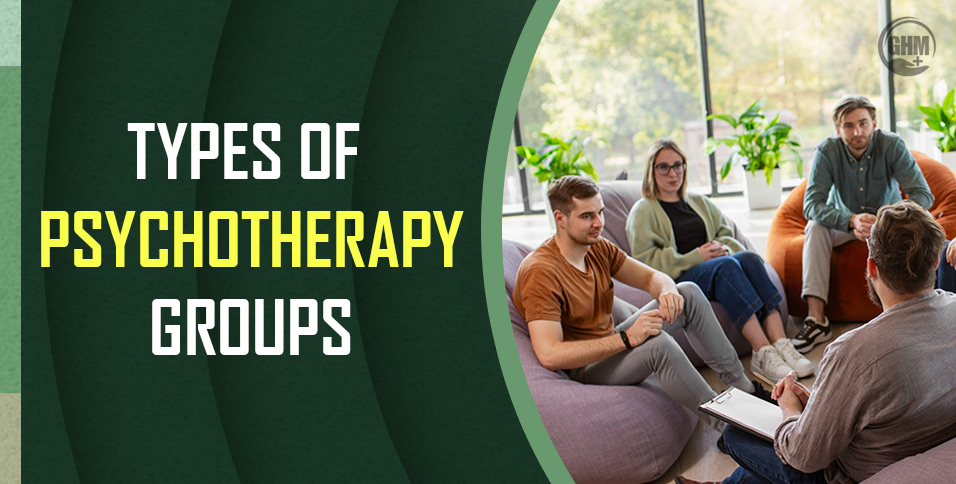
Psychotherapy groups represent one of the most powerful and transformative approaches to mental health treatment available today. While individual therapy has its merits, group therapy offers unique advantages that can accelerate healing and provide insights that simply aren’t possible in one-on-one sessions.
Understanding the various types of psychotherapy groups can help individuals make informed decisions about their mental health journey and discover the most effective path to wellness.
Let’s Learn More About Types of Psychotherapy Groups
What Are Psychotherapy Groups?
Psychotherapy encompasses a broad range of treatment techniques designed to help individuals identify and change unhealthy emotions, thoughts, and behaviours through structured conversations and activities with mental health professionals.
When conducted in a group setting, psychotherapy harnesses the collective power of shared experiences, peer support, and diverse perspectives to create a uniquely healing environment. Group therapy typically involves 6–12 participants who meet regularly under the guidance of one or more trained mental health professionals.
These sessions create a safe space where individuals can explore their challenges, practice new skills, and receive feedback from both the therapist and fellow group members. Because the psychotherapy groups available are diverse, individuals can choose a group format that aligns with their specific needs and preferences.
Comprehensive Types of Psychotherapy Groups
1. Cognitive Behavioural Therapy (CBT) Groups
CBT groups focus on identifying and changing negative thought patterns and behaviours. Participants learn practical skills to manage anxiety, depression, and other mental health conditions.
The group setting allows members to practice new coping strategies and receive immediate feedback from peers who understand similar struggles. Research shows that group CBT can be as effective as individual therapy for many conditions.
2. Psychodynamic Therapy Groups
These groups explore unconscious patterns and past experiences that influence current behaviour. Members gain insight into their relationships and emotional responses through group interactions. Therapists trained in psychoanalytic approaches help participants understand how their past affects present relationships.
3. Support Groups
Support groups bring together individuals facing similar challenges, such as grief, addiction, or chronic illness. While less structured than other therapy approaches, these groups offer invaluable peer support and practical advice from individuals with firsthand experience.
4. Skills-Based Groups
These groups focus on teaching specific skills like emotion regulation, interpersonal effectiveness, or stress management. Dialectical Behaviour Therapy (DBT) groups are a prime example, teaching mindfulness, distress tolerance, and relationship skills through structured modules.
For many people, this type of psychotherapy provides structure and clear, actionable tools.
5. Process Groups
Process groups emphasise the “here and now” interactions between group members. Participants learn about themselves by examining their relationships within the group, making these sessions particularly valuable for addressing interpersonal difficulties.
6. Trauma-Focused Groups
Specialised groups for trauma survivors provide a safe environment to process difficult experiences. These groups often incorporate specific modalities like EMDR or trauma-focused CBT adapted for the group format.
7. Psychoeducational Groups
These groups focus on educating participants about specific mental health conditions and coping strategies. They provide valuable information and support for managing symptoms and improving quality of life.
8. Expressive Arts Therapy Groups
These groups use creative modalities like art, music, or drama to facilitate emotional expression and healing. They are particularly beneficial for individuals who struggle to articulate their feelings verbally.
9. Family Systems Groups
Adapted for individuals, these groups explore family dynamics and their impact on personal behaviour and relationships. They help participants understand and shift dysfunctional patterns that stem from family systems. This is another type of psychotherapy that supports deeper self-awareness.
Why Group Therapy Often Surpasses Individual Therapy
1. Enhanced Social Learning
Group therapy provides opportunities to observe how others handle similar challenges. Members can model successful coping strategies and learn from each other’s experiences in ways that individual therapy cannot replicate.
2. Real-Time Relationship Practice
Unlike individual therapy, groups offer immediate opportunities to practice new interpersonal skills. Members can work through conflicts, practice assertiveness, and receive honest feedback about their communication style within a safe therapeutic environment.
3. Reduced Isolation and Shame
Mental health struggles often create feelings of isolation and shame. Group therapy shows individuals that they are not alone, reducing stigma and fostering a sense of belonging. This normalisation can be profoundly healing.
4. Cost-Effective Treatment
Group therapy typically costs less than individual sessions while providing comparable or better outcomes for many conditions. This makes mental health care more accessible.
5. Diverse Perspectives
Group members bring varied backgrounds, experiences, and insights that enrich the therapeutic process. This diversity exposes participants to different viewpoints and strategies they might not encounter in individual therapy.
Conclusion
These various types of psychotherapy groups offer powerful pathways to healing that leverage the strength of human connection and shared experience. Whether seeking support for specific mental health conditions or general personal growth, group therapy provides unique advantages that can complement or even surpass individual treatment.
By understanding the options available and their specific benefits, individuals can make informed decisions about their mental health journey and discover the transformative power of healing within a supportive community.
Group therapy isn’t just an alternative to individual treatment; it is often a superior choice that provides lasting benefits, practical skills, and meaningful connections that extend far beyond the therapy room.
Frequently Asked Questions
- What are the types of psychotherapy groups?
Psychotherapy groups include CBT groups, psychodynamic groups, support groups, skills-based groups, process groups, trauma-focused groups, psychoeducational groups, expressive arts therapy groups, and family systems groups.
- How do I find a suitable psychotherapy group?
Consider your specific needs, consult with mental health professionals, and explore local directories or online platforms listing available groups.
- What is the difference between individual and group therapy?
Individual therapy involves a one-on-one interaction with a therapist, while group therapy involves multiple participants and emphasises shared experiences and peer support.