Nowadays, personal hygiene has been a big part of everyone’s life. People, especially youth, use so many personal hygiene products to keep themselves healthy internally and externally.
But a few people might not know that good personal hygiene is more than just showering or washing hands. Some of us do not take everyday hygiene seriously and ignore certain things unknowingly. Like, how often do you change socks or clean your phone?
But making these mistakes can harm your health and overall well-being. Yes, it is that serious.
In this article, we explore five often-neglected hygiene practices that matter for everyone and should be prioritised.
Don’t Overlook These Personal Hygiene Practices
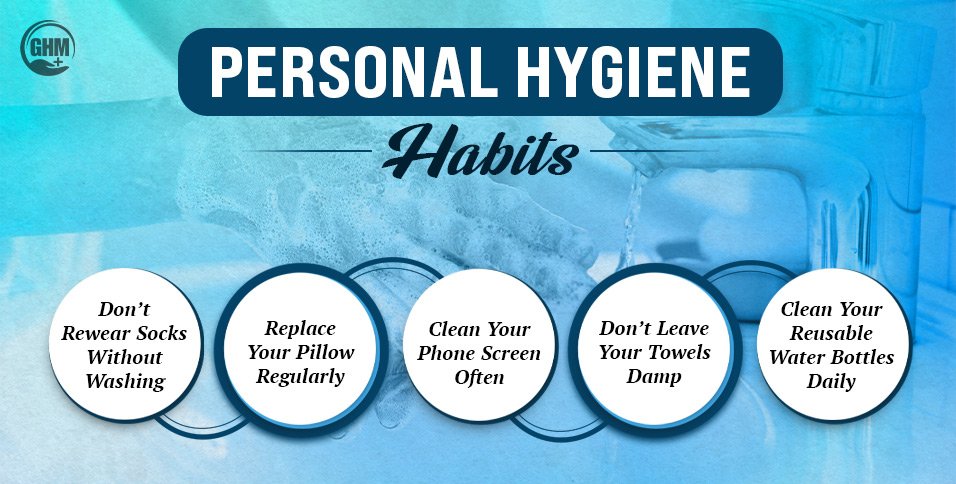
1. Don’t Rewear Socks Without Washing
Socks might seem harmless, but rewearing them without washing can pose risks. Worn socks trap sweat, dead skin cells, and bacteria, creating warm, moist conditions where microbes thrive.
This isn’t just about foot odour. Poor sock hygiene can lead to fungal infections (like athlete’s foot), skin irritation, or bacterial overgrowth. all of these undermine foot health and general hygiene standards. To stay safe, change socks daily, choose breathable fabrics, and rotate shoes so each pair can fully air out before re-use.
Adopting this hygiene practice is a simple but effective step in a broader strategy of a healthy life.
2. Replace Your Pillow Regularly
We often forget that a clean bed and pillow matter just as much as daily washing. Over time, pillows collect sweat, body oils, dust mites, allergens, dead skin cells, and microbes. Using a pillow for too long can mean sleeping on a growing colony of unwanted microbes.
Neglecting this can lead to allergic reactions, skin problems, acne flare-ups, and even respiratory irritation from dust mites and allergens. For many, it’s recommended to replace pillows every 1–2 years (depending on pillow type and use), and wash pillowcases regularly.
Using pillow protectors and cleaning pillowcases weekly adds extra protection, especially for people with sensitive skin or allergies. Clean bedding is a crucial part of individual hygiene practices that supports both comfort and health.
3. Clean Your Phone Screen Often
We touch our phones dozens or hundreds of times a day, yet they are rarely part of our cleaning routine. That’s a missed opportunity, because phones are among the germiest objects we regularly use.
Studies show that more than two-thirds of mobile phones carry bacteria, even in healthcare and community settings. In some cases, a phone’s touchscreen may harbour as many as 1.75 million bacteria, far more than many public surfaces.
Because these germs live on surfaces we touch and then bring close to our face, they may cause skin irritation or even spread infections. Therefore, cleaning phone screen surfaces with alcohol-based wipes or disinfectants should be part of everyday hygiene. Wiping down not just the screen but the back, edges, and case helps too.
For busy individuals and professionals, this is an easy personal hygiene habit that can significantly reduce microbial exposure.
4. Don’t Leave Your Towels Damp
Your bath towel might be a silent germ-magnet. Towels that remain damp after use create the perfect breeding ground for bacteria, yeast, mold, and mildew. When you reuse a damp towel, you risk rubbing those microbes onto your freshly cleansed skin.
Experts recommend washing bath towels after three to five uses (or roughly twice a week if you shower daily), and ensuring they dry completely between uses. If you have sensitive skin, eczema, or a weakened immune system, washing more frequently may be wise.
Also consider rotating towels so each gets ample time to air-dry. Avoid storing them in dark, humid bathrooms. Proper towel care is a small but important part of daily personal hygiene routines.
5. Clean Your Reusable Water Bottles Daily
If you use a reusable water bottle, whether at home, the gym, or the office, cleaning it daily is more important than you may think.
Bottles accumulate saliva, water residue, and small amounts of bacteria over time. If not washed, the warm, moist interior becomes a breeding ground for microbes.
Over time, repeated exposure to contaminated bottles may risk digestive issues, unpleasant odours, or more serious microbial exposure. Make sure to wash bottles with soap and hot water, clean the lid or straw thoroughly, and air-dry completely before refilling them. It is an effective way to maintain good hygiene practices and prevent avoidable health problems.
Conclusion
Hygiene mistakes, even seemingly minor ones, add up over time. Ignoring the care of everyday items undermines overall personal hygiene and can increase the risk of infections.
Taking care of the small but sometimes overlooked parts of daily life makes a big difference. By adopting these five hygiene habits, you take precautionary steps to protect yourself, your body and maintain overall well-being.
Personal hygiene isn’t just about appearance; it’s about well-being, prevention, and quality of life.
If you found this helpful, please share this article with your family and friends so they can know the benefit too. Personal hygiene matters not just for you, but for the people around you.
Sanskruti Jadhav
Frequently Asked Questions
- How often should I really change my socks?
Ideally, socks should be changed every day. If you sweat heavily or wear the same pair for long hours, avoid re-wearing them until they’re washed. Fresh socks help keep your feet dry and prevent fungal or bacterial growth.
- My pillow seems fine. do I still need to replace it frequently?
Yes. Even if it feels fine, pillows trap sweat, skin oils, dead skin cells, and dust mites over time. Many experts recommend replacing pillows every 1–2 years and washing pillowcases weekly to maintain hygiene.
- Is cleaning my phone once a month enough?
No. Studies show the average phone carries tens of thousands of bacteria, and about 68% of phones have detectable microbial contamination. For best hygiene, clean your phone screen, back, and edges at least once daily, especially if you use it often or touch it after being outside.
- Can I reuse a towel if it feels dry?
It’s better not to. Even if a towel feels dry, microbes may survive. Experts recommend washing towels after 3–5 uses and ensuring they dry completely between uses.
- Do I really need to wash my water bottle every day?
Yes. Even invisible residues from saliva or water can build up microbes over time. Washing it daily with hot water and soap, and drying it completely, helps prevent bacterial growth and ensures safe, hygienic reuse.