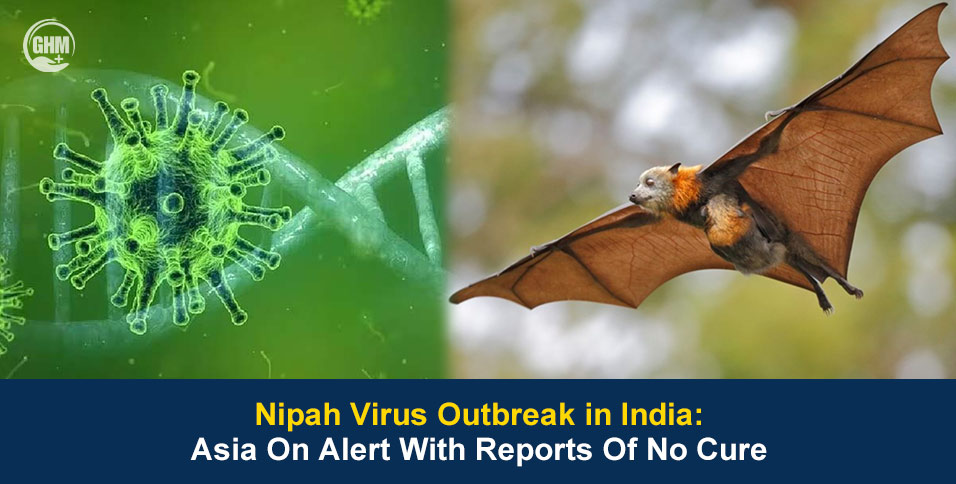
The Nipah virus outbreak in India has triggered renewed global health concerns, reminding the world how quickly diseases that spread from animals to humans can re-emerge. With confirmed cases in West Bengal and strict quarantine measures, health authorities are moving fast to prevent wider spread.
Even though caused by bats, unlike COVID-19, Nipah virus infections are rare but far more deadly. With no approved cure or vaccine, the current Nipah virus outbreak in India has placed neighboring countries like China and Thailand on alert. While airports across Asia roll out enhanced Covid-style Nipah virus screening protocols.
What Is the Nipah Virus and Why Is It So Dangerous?
The Nipah virus is a zoonotic virus, which means it spreads from animals to humans. According to the World Health Organization (WHO), fruit bats, also known as flying foxes, are the virus’s natural hosts.
The Nipah virus outbreak in India underscores how easily the virus can spread in healthcare settings.
Transmission routes of Nipah Virus:
- Direct contact with infected bats or pigs
- Consuming contaminated fruit or raw date palm sap
- Close contact with infected people’s bodily fluids
Human-to-human transmission usually requires prolonged, close contact, which is why hospitals are especially vulnerable.
What makes the Nipah virus outbreak in India especially concerning is its high fatality rate, which ranges between 40% and 75%, depending on healthcare access and early detection.
Key symptoms of Nipah Virus:
- Fever and headache
- Muscle pain and vomiting
- Breathing difficulty
- Confusion or seizures due to brain swelling (encephalitis)
Symptoms often worsen rapidly, sometimes within 24 to 48 hours, making early diagnosis critical.
Nipah Virus Outbreak in India: What’s Happening in West Bengal?
The latest Nipah virus outbreak in India was reported in West Bengal, where infections were detected among hospital staff following exposure to a patient who later died.
According to reports, there is no cure for the Nipah virus, and treatment focuses on managing symptoms and preventing complications.
Health authorities immediately began:
- Contact tracing
- Enforcing quarantine for high-risk individuals
- Monitoring hospital workers and family contacts
- Conducting environmental testing for bat exposure
This outbreak follows earlier Nipah incidents in India, particularly in Kerala, highlighting the virus’s recurring presence.
How Airports In Asia Tighten Nipah Virus Screening
Following reports from India, several Asian countries, including China, introduced COVID-style checks at airports to screen travelers for Nipah virus symptoms.
Thailand, along with Taiwan and Nepal, has issued travel advisories and activated rapid response protocols.
Taiwan’s Centers for Disease Control classified Nipah as a Category 5 communicable disease, its highest alert level.
These Nipah virus screening measures include:
- Temperature checks
- Health questionnaires
- Symptom monitoring for travelers from affected regions
What Treatment Looks For Nipah Virus If There’s No Cure
Currently, there is no antiviral drug or vaccine approved for the Nipah virus.
Treatment focuses on:
- Supportive care (oxygen, fluids)
- Managing brain swelling
- Strict infection control to protect caregivers
This lack of treatment options is why global health agencies classify Nipah as a priority pathogen.
What the Public Should Know About Nipah Virus
Health experts stress that the general public’s risk remains low, but awareness is essential.
Simple precautions can be helpful,
- Avoid contact with bats or sick animals
- Wash fruits thoroughly before eating
- Seek medical care early if symptoms appear
- Follow quarantine guidance if exposed
Conclusion
The Nipah virus outbreak in India is a stark reminder that future pandemics may not resemble COVID-19. Some may spread more slowly but kill faster.
With West Bengal under close watch, Thailand on alert, and Airport screenings like Covid- 19 period expanding in Asia, global coordination is now focused on early containment rather than panic.
As the WHO warns, preventing spillover events and strengthening surveillance are the world’s best defense.
India’s Nipah virus outbreak is not just a national concern. It’s a global health signal. Vigilance, transparency, and early response remain the strongest tools to prevent the next major outbreak.