Healthcare can feel rushed these days. Appointments run short. Patients feel unheard. Systems feel stretched. That’s where Nurse Practitioners step in and make a real difference. NPs don’t just treat symptoms. They build relationships. They explain things in plain language. They notice what others might miss. After all, they’re the ones who actually spend time with patients.
The demand for care keeps climbing. That’s why NPs are taking on bigger roles in clinics, hospitals, and community settings. They manage complex conditions and guide preventive care. But that’s not all they do. They often serve as the steady presence patients rely on. Still strong impact needs education, experience, and intentional practice.
For all those Nurse Practitioners who want to turn everyday clinical work into lasting patient impact, this article can help immensely. Read on to know more.
Nurse Practitioners in Modern Healthcare: More Than Helpers
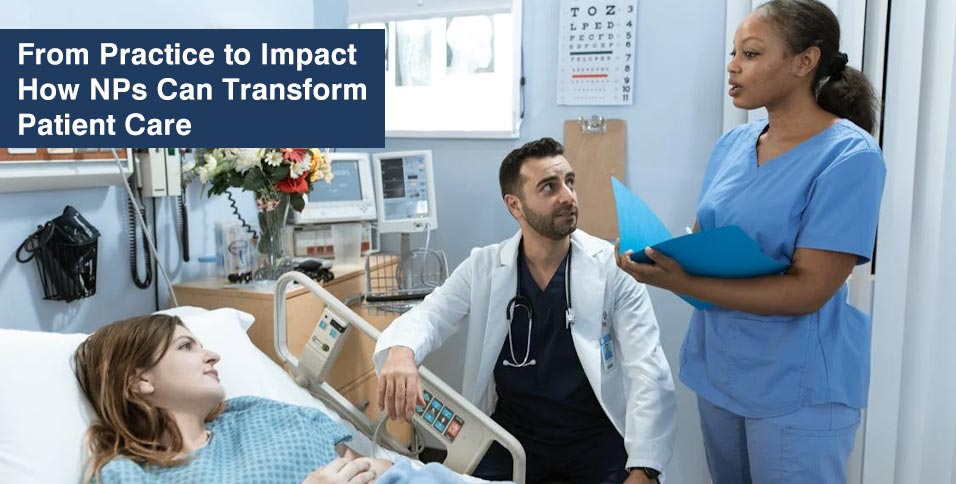
NPs aren’t just “extra help” anymore. Many patients see an NP as their primary point of care, especially in primary care settings. Diagnosing conditions and managing treatment plans – they’re responsibilities that used to sit with physicians, right? Not anymore. NPs are required to handle these tasks now.
This shift exists for a reason. Healthcare systems need providers who can deliver high-quality care without long wait times. NPs help fill that gap. They practice independently in many states and collaborate closely with physicians in others. Either way, their role continues to grow.
Advancing Your Education to Strengthen Clinical Impact
Impact doesn’t just show up. You build it. And education plays a big part here.
An MSN degree pushes your skills further. You think differently. You assess more confidently. You make stronger clinical decisions. That matters when patients rely on you to get it right.
Specializing takes things up another notch. A Master of Science in Nursing – Family Nurse Practitioner (MSN-FNP) degree lets you care for patients across all ages. One whole family – one provider. That’s how it works.
Many institutes now offer FNP nursing programs online, making this path much more realistic for working nurses. No need to pause your career. No need to relocate. You learn while you work. That flexibility makes advanced education realistic, not just aspirational.
Delivering Patient-Centered Care That Improves Outcomes
Patients want to be heard. Sounds simple, right? But not everyone can live up to that expectation.
NPs tend to slow things down. They ask better questions. They listen longer. They don’t rush explanations. That alone improves care.
When patients understand what’s going on, they engage more. They follow plans. They show up for follow-ups. Most importantly, they speak up when something feels off.
That’s really what patient-centered care is all about.
Using Evidence-Based Practice to Guide Better Decisions
Healthcare changes fast. What worked ten years ago might not cut it now.
NPs who stick with evidence-based practice stay sharp. They use current research, updated guidelines, and proven approaches. There’s no guessing there.
What does that lead to? Safer care, more consistent outcomes, and fewer unnecessary treatments. Patients benefit from decisions rooted in what actually works.
It’s not about ignoring experience. It’s about backing it up with solid evidence. Best of both worlds.
Strengthening Preventive Care and Early Intervention Efforts
Prevention matters – a lot!
NPs spend time on it because they see the payoff. Screenings, risk factors, and lifestyle habits – they’re all part of it. Catching issues early saves patients from bigger problems later.
Early intervention keeps conditions manageable. It reduces complications. It improves long-term health.
NPs explain the “why,” not just the “what.” That makes patients more likely to act. And that’s where real impact starts.
Managing Chronic Conditions with a Holistic Approach
Chronic care is where things get real. Diabetes. Hypertension. Asthma. Stuff that doesn’t just go away. Patients live with it every day, not just during appointments.
NPs do well here because they look at the full picture, not just numbers on a chart. Sleep, stress, diet, work, and home life – all of it matters.
Managing chronic conditions takes consistency. Nurses have to check in regularly. Then, there’s the need to make small adjustments. Oh, and clear explanations are needed, too. Patients don’t need lectures. They need guidance that fits their actual lives.
When NPs take that approach, patients stick with their plans longer. They feel supported instead of judged. That’s what keeps them interested in their treatment.
Improving Access to Care in Underserved Communities
Access is still a problem. Yes, that’s quite unfortunate but true. We’re talking about rural areas and low-income neighborhoods. Basically, places where providers are stretched thin.
NPs often step in where care is hardest to find. Community clinics. Health centers. Outreach programs. They show up.
Shorter wait times matter. So does continuity. Seeing the same provider builds trust, especially in communities that have been ignored.
NPs also tend to meet patients where they are. Literally and figuratively. That flexibility helps break down barriers that keep people from getting care in the first place.
Collaborating Effectively Within Interdisciplinary Teams
Healthcare isn’t a solo job. It never has been.
NPs work alongside physicians, nurses, specialists, and social workers. Everyone plays a role. When communication clicks, care improves. When it doesn’t, patients feel it.
NPs often act as the connector. They translate plans and coordinate care. They also make sure nothing slips through the cracks.
This teamwork leads to smoother transitions and fewer missed details. All necessary for better patient outcomes, right?
Leading Change and Advocating for Patients
NPs don’t just follow systems. They improve them.
They notice inefficiencies and gaps in care. They’ll point out policies that don’t work in real life. And many speak up.
Advocacy can be small. Adjusting workflows. Improving patient education.
Or they can be bigger. Pushing for policy changes. Expanding scope of practice. Improving access.
Patients benefit when providers advocate on their behalf. NPs do that naturally because they stay close to patient experiences.
Shaping the Future of Healthcare Through Continued Growth
Healthcare won’t slow down. There will always be some new technology, new models, and new expectations.
NPs who keep learning stay ahead. They adapt. They grow into leadership roles. They mentor others coming up behind them.
Continued growth isn’t about chasing titles. It’s about staying effective and relevant – always ready for what patients need next.
That mindset shapes the future of care more than any single policy ever could.
Impact doesn’t come from job titles or long resumes. It comes from how NPs show up, day after day. The conversations they have. The trust they build. The care they deliver when no one’s watching. When NPs lean into education, collaboration, and patient-first thinking, the ripple effects spread fast. Not loud. Not flashy. Just steady, meaningful change where it matters most.