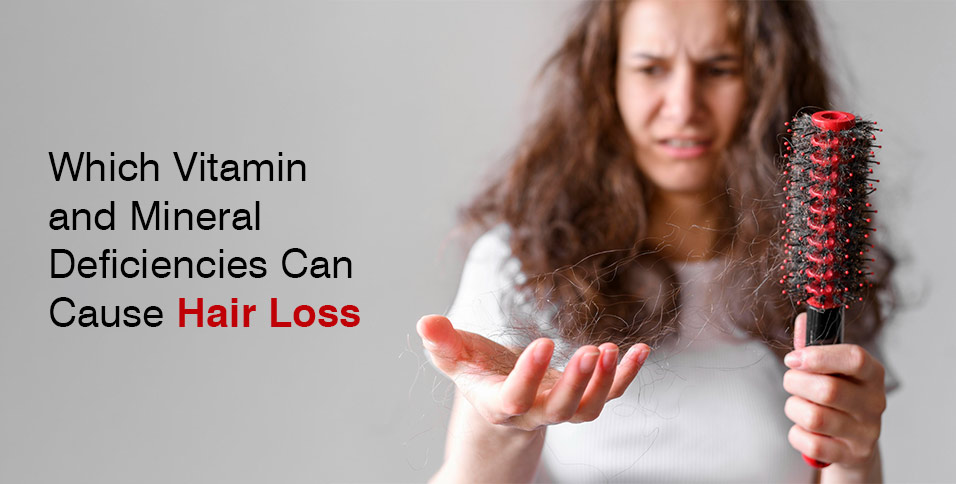
Hair loss can be a frustrating experience that affects millions of people. While many factors contribute to this condition, not everyone realizes that what they eat plays a major role in hair health. Several vitamin and mineral deficiencies can lead to hair loss, and identifying these gaps in nutrition may help address the problem.
The body needs specific nutrients to maintain strong and healthy hair. Without enough of these important vitamins and minerals, hair follicles struggle to function properly. This can result in thinning hair, increased shedding, or slower hair growth. Understanding which nutrients support hair health allows people to make better choices about their diet and overall wellness.
Iron deficiency anemia leading to increased hair shedding
Iron deficiency anemia affects hair growth in significant ways. The body needs iron to produce hemoglobin, which carries oxygen to cells throughout the body. Hair follicles require this oxygen to function properly and maintain normal growth cycles.
Without adequate iron levels, hair follicles cannot receive enough oxygen. As a result, hair enters the shedding phase too early and falls out at a faster rate than normal. People with iron deficiency often notice more hair in their brush or shower drain.
A simple blood test can detect iron deficiency anemia. Doctors measure ferritin levels, which show how much iron the body stores. Many people experience hair loss even with ferritin levels that fall within the normal range but remain on the lower end.
Treatment options include iron supplements and dietary changes. A plant-powered root activator shampoo, nourishing hair oils, and balms may help support hair health during recovery. Foods rich in iron include red meat, fish, beans, and leafy greens. Most people absorb iron better from animal sources, though plant sources also provide benefits.
Vitamin D deficiency and its impact on hair growth
Vitamin D plays a key role in hair follicle health and development. This nutrient helps create new hair follicles and affects the natural hair growth cycle. Research shows that people with low vitamin D levels often experience problems with their hair.
A lack of vitamin D can lead to several hair issues. Hair may shed more than normal or grow slower than usual. Some people notice their hair becomes thinner or loses its strength. In certain cases, vitamin D deficiency appears in people who have alopecia, a condition that causes hair loss.
Scientists have found that vitamin D influences how hair follicles function. However, the exact relationship between this vitamin and hair loss remains under study. Low levels of vitamin D may disrupt the normal hair growth process and affect the scalp’s overall health.
People who notice unusual hair loss should consider their vitamin D levels as one possible factor. A simple blood test can reveal if someone has adequate amounts of this important nutrient.
Low levels of B vitamins, especially Biotin (B7)
B vitamins play an important role in hair health. A lack of these nutrients can lead to hair loss and thinning. Biotin, also called vitamin B7, is one of the most important B vitamins for hair growth.
Biotin helps the body convert food into energy. It also supports the health of hair, skin, and nails. A biotin deficiency can cause hair to thin and eventually fall out across the body. People with low biotin levels may also develop a red, scaly rash around the eyes, nose, and mouth.
True biotin deficiency is rare in people who eat a balanced diet. However, it can occur due to genetic disorders or long-term antibiotic use that disrupts gut bacteria. Foods like eggs, milk, and bananas provide biotin naturally. Other B vitamins, such as B12, also affect hair health and may contribute to hair loss if levels drop too low.
Zinc deficiency affects hair follicle health
Zinc plays a key role in hair tissue growth and repair. This mineral helps maintain the oil glands around hair follicles. Without enough zinc, hair follicles weaken and cannot function properly.
A lack of zinc can lead to hair loss that appears across the scalp. The deficiency disrupts the normal hair growth cycle. Hair may shed faster than it can regrow, which creates noticeable thinning over time.
People who don’t get enough zinc through their diet are at higher risk for this type of hair loss. However, too much zinc can also cause problems. Excessive amounts interfere with copper absorption in the body, which can also result in hair loss.
Blood tests can measure zinc levels in the body. A doctor can determine if a deficiency exists and recommend the right amount of supplementation. Most people can restore healthy zinc levels through dietary changes or supplements under medical supervision.
Vitamin C deficiency reduces collagen production in hair
Vitamin C plays a major role in hair health through its connection to collagen. The body needs this vitamin to make collagen, a protein that forms part of hair structure. Without enough vitamin C, collagen production slows down.
Collagen helps build keratin, the main protein found in hair strands. Reduced collagen means the body struggles to produce strong, healthy hair. This can lead to brittle hair that breaks easily and may result in thinning over time.
A lack of vitamin C also affects the scalp. Poor collagen production can weaken hair follicles and prevent them from holding onto strands properly. As a result, people with low vitamin C levels may notice more hair fall than normal.
The body cannot store vitamin C for long periods. People need to get this nutrient regularly through their diet. Fruits like oranges, strawberries, and kiwi contain high amounts, as do vegetables such as bell peppers and broccoli.
Conclusion
Hair loss can result from several vitamin and mineral deficiencies, particularly low levels of vitamin D, B vitamins, iron, and zinc. Blood tests can help identify these nutritional gaps and guide proper treatment through diet changes or supplements. However, vitamin deficiencies rarely act as the sole cause of hair loss.
A doctor can create a treatment plan that addresses specific deficiencies and other factors that contribute to thinning hair. The right combination of nutrients supports healthy hair growth, but people should avoid self-diagnosis and work with healthcare providers to find the best solution for their situation.