Ever cancel a mental health appointment because the commute alone felt heavier than the conversation you needed to have? That moment usually comes after juggling work, family, and the quiet calculation of whether the effort will be worth it.
For a long time, therapy and psychiatric care were built around fixed locations and fixed schedules. That structure worked for some people and quietly excluded others. Telehealth didn’t invent mental health care, but it changed how accessible it could be, and in doing so, it shifted expectations for both patients and providers.
Why Access Has Become the Pressure Point
Mental health needs were present long before telehealth became common. They grew as work intensified, boundaries blurred, and stress settled into daily life. What changed was tolerance for barriers. Long wait times, limited availability, and travel made staying in care harder than it should have been. Telehealth addressed that gap by changing logistics, not standards. Appointments that once meant time off work could fit into a lunch break. Follow-ups became easier to keep. Care stayed continuous because showing up was more realistic. In healthcare, those practical shifts often determine whether treatment moves forward or quietly falls away.
How Telehealth Fits into Modern Care
Therapy changes when it moves online. The setting becomes more flexible, but the work stays focused. Sessions still follow clinical structure. Assessments are still thorough. Privacy and safety protocols remain central.
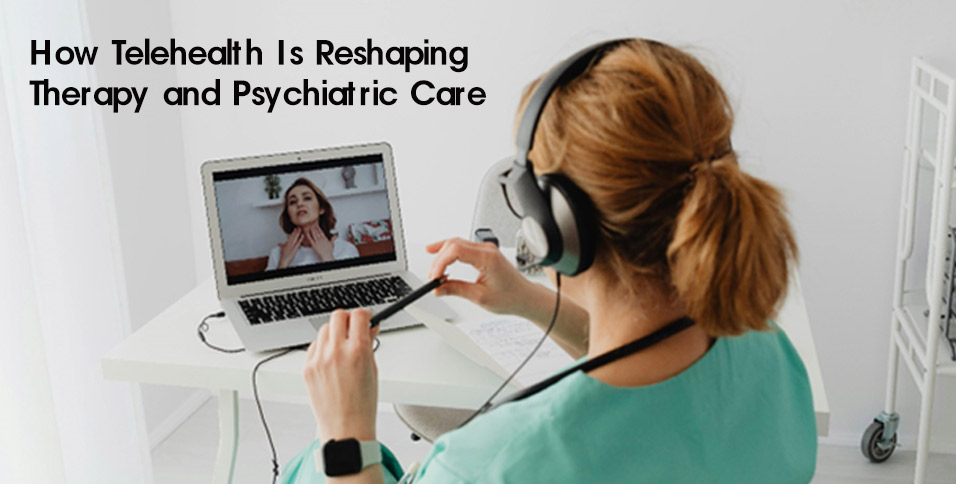
Patients speak from their own environments, which can reveal stressors that never surface in an office. Therapists gain insight into daily routines, living situations, and immediate pressures. The work can feel more grounded because it’s happening where life actually unfolds. This model has proven especially effective for ongoing therapy, medication management check-ins, and collaborative care that requires consistency more than physical presence.
With telehealth becoming popular, the role of an online therapist has become crucial. It has evolved as a natural extension of traditional practice rather than a separate category. It reflects the same clinical training and ethical standards, delivered through a format that aligns with modern schedules and expectations. For many patients, that alignment makes sustained care possible rather than aspirational.
Psychiatry Adapts to Distance Without Losing Rigor
Psychiatric care followed a similar path, though with its own constraints. Medication management requires careful monitoring, clear communication, and reliable follow-up. Telehealth made these elements easier to maintain between visits, especially for patients managing chronic conditions.
Video consultations allow psychiatrists to observe affect, speech, and behavior in real time. Secure messaging supports timely adjustments when side effects or concerns arise. This doesn’t eliminate the need for in-person evaluations when appropriate, but it reduces unnecessary gaps in care.
For patients, the experience often feels more responsive. Questions are addressed sooner. Adjustments happen with less disruption. That responsiveness can make a meaningful difference in adherence and outcomes.
The Quiet Benefits Patients Notice First
Many of telehealth’s advantages aren’t dramatic. They show up in small ways. Fewer missed appointments. Less anxiety about getting to sessions. More willingness to start care in the first place.
Privacy also plays a role. Some people feel more comfortable speaking openly from familiar surroundings. Others appreciate avoiding shared waiting rooms. These details matter, especially for individuals who delayed care due to discomfort rather than lack of need.
Telehealth also supports continuity during life changes. Moves, travel, or schedule shifts don’t automatically disrupt treatment. That stability can be particularly important for long-term mental health management.
What Hasn’t Changed as Much as People Expect
Despite the new format, core elements of therapy and psychiatry remain the same. Rapport still takes time. Progress is still uneven. Hard conversations are still hard.
Telehealth doesn’t bypass the work. It removes obstacles around it. That distinction matters. Patients who expect instant results often recalibrate quickly. Those who value consistency tend to benefit most.
Clinical boundaries also remain clear. Session times, confidentiality, and professional standards are maintained, even when the setting feels more casual. That balance helps keep care effective without becoming informal in ways that undermine trust.
Provider Perspectives and System-Level Shifts
From the provider side, telehealth has changed workflows. Scheduling is more flexible, but documentation and coordination remain demanding. Training expanded to include digital communication skills, risk assessment at a distance, and technology troubleshooting.
Health systems have adjusted as well. Licensing, reimbursement, and compliance frameworks evolved to support remote care. These changes weren’t seamless, but they signaled a broader acceptance that mental health care doesn’t have to be tied to physical offices to be legitimate.
Telehealth also enabled collaboration across regions. Specialists became more accessible. Integrated care teams could connect more easily, improving coordination for patients with complex needs.
Limits That Still Matter
Telehealth isn’t a universal solution. Crisis care, certain assessments, and some therapeutic approaches still require in-person interaction. Technology access remains uneven. Not everyone has a private space or a reliable connection.
There’s also the risk of over-reliance. Convenience shouldn’t replace clinical judgment about when face-to-face care is necessary. Responsible telehealth programs are clear about these limits and help patients navigate them rather than gloss over them.
Acknowledging boundaries strengthens trust. It reminds patients that the goal is effective care, not convenience for its own sake.
How Patient Expectations Are Shifting
As telehealth becomes familiar, patients are asking different questions. Not just “Is this available?” but “Is this appropriate for me?” That shift reflects a more informed approach to mental health care.
People compare formats, weigh comfort levels, and consider how care fits into their lives. Telehealth supports that agency by offering options rather than a single path.
This doesn’t diminish the role of clinicians. It reframes it. Providers become partners in decision-making rather than gatekeepers to access.
Where Telehealth Fits Going Forward
Telehealth is no longer an experiment. It’s part of the mental health landscape. Its role will continue to evolve alongside technology, policy, and patient needs. What seems clear is that flexibility is no longer optional. Systems that adapt tend to retain patients. Those who don’t risk losing them before care has a chance to help.
Telehealth reshaped therapy and psychiatric care by changing how people connect to it. The work itself remains deeply human. What’s changed is how reachable that work has become, and for many, that reach makes all the difference.