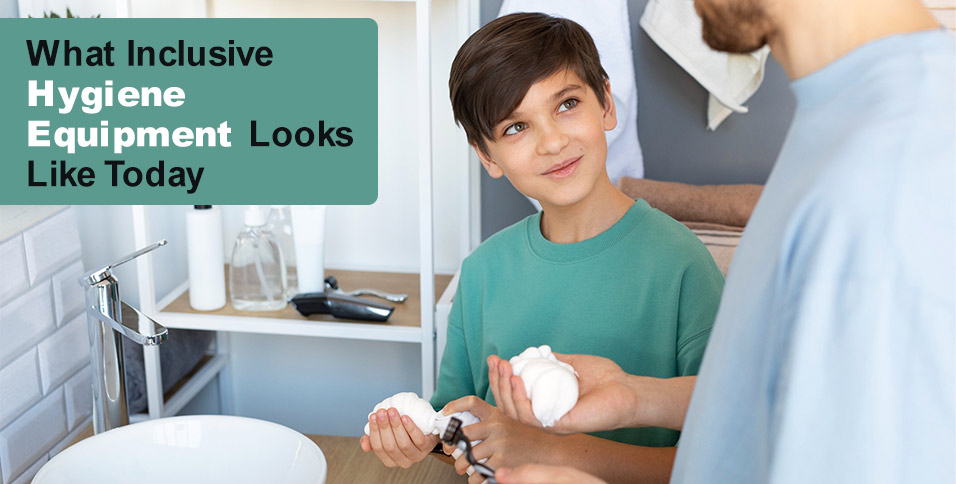
Creating an inclusive environment for hygiene is about more than just ticking boxes—it requires practical design considerations, medical-grade safety standards, and real empathy for the diverse needs of users. In aged care and disability support, this extends to daily hygiene routines, which can either empower or hinder a person’s autonomy. Let’s explore what inclusive hygiene equipment really entails in contemporary care settings.
Accommodates All Body Types
Inclusivity starts with recognising that not all users fall within standard weight or size ranges. Equipment that accommodates larger body types is now a fundamental part of any truly inclusive hygiene setup, especially in aged care and disability support, where mobility limitations are common.
Products like commodes for clinical and home care settings offer reinforced support, wider dimensions, and thoughtful design features that promote safety and dignity. These aids help reduce the risk of accidents and discomfort while supporting easier transfers and compatibility with other assistive equipment.
Embraces Touchless and Sensor-Based Features
One of the most notable shifts in hygiene equipment is the rise of touch-free functionality. Infrared sensors, motion detectors, and remote-operated adjustments reduce physical strain while improving infection control—a growing concern across hospitals, care homes, and private residences.
Sensor-activated soap dispensers, flushing systems, and water taps allow users with arthritis, tremors, or neurological conditions to perform hygiene tasks with less assistance. These features aren’t just high-tech; they enable genuine independence for users who otherwise struggle with small knobs, levers, or pedals.
Some systems now integrate voice control or Bluetooth compatibility, particularly in facility-grade setups. For carers, this also means fewer touchpoints to disinfect, reducing workload and infection risks.
Considers Sensory Needs in Design and Use
True inclusivity also means addressing the needs of individuals with sensory sensitivities, particularly those living with dementia, autism, or stroke aftereffects. Equipment that buzzes loudly, has harsh lighting, or includes unfamiliar mechanisms can create unnecessary stress.
That’s why modern hygiene aids increasingly favour soft-touch materials, minimal sound output, and intuitive visual cues (e.g. colour-coded rails or high-contrast grips). Many portable commodes or shower chairs now feature non-reflective finishes, warm-touch materials, and gentle contours to avoid triggering anxiety or confusion.
Offers Adjustability Without Complexity
Adjustability is a cornerstone of inclusive hygiene design, especially in home care settings, where needs can shift quickly and space is often limited. A qualitative study on bathroom accessibility highlighted that supporting independence and safety requires not just assistive devices, but also adaptable layouts and equipment responsive to changing needs.
In this context, features like height-adjustable over-toilet aids, tilt-in-space shower chairs, and repositionable grab bars allow both users and carers to modify setups quickly, without the need for tools or permanent installations.
For users with degenerative conditions or fluctuating mobility, this flexibility supports changes in care needs over time. Importantly, newer models are designed to be intuitive, with ergonomic knobs, pop-in mechanisms, and markings that reduce the cognitive load of adjustments.
Acknowledges the Needs of Carers, Too
While the focus is often on the end user, inclusive design should also consider carers. Whether it’s a family member or professional support worker, carers benefit from equipment that is logically designed, easy to clean, and reduces the risk of injury.
Equipment like height-adjustable commodes, multi-angle transfer benches, or dual-access shower trolleys allows carers to maintain better posture and reduce manual handling strain. Some systems even include real-time usage tracking or app-based service alerts for larger care facilities.
Inclusive by Design, Empowering by Nature
Inclusive hygiene equipment today is no longer defined by minimum standards or one-size-fits-all thinking. It is smarter, more personalised, and more aware of the sensory and technological realities of the people who use it.
By integrating touchless interfaces, sensory-sensitive features, and smart materials, today’s equipment doesn’t just assist—it empowers. For those living with limited mobility, neurological conditions, or high-care needs, hygiene routines can now be safer, calmer, and more autonomous than ever.