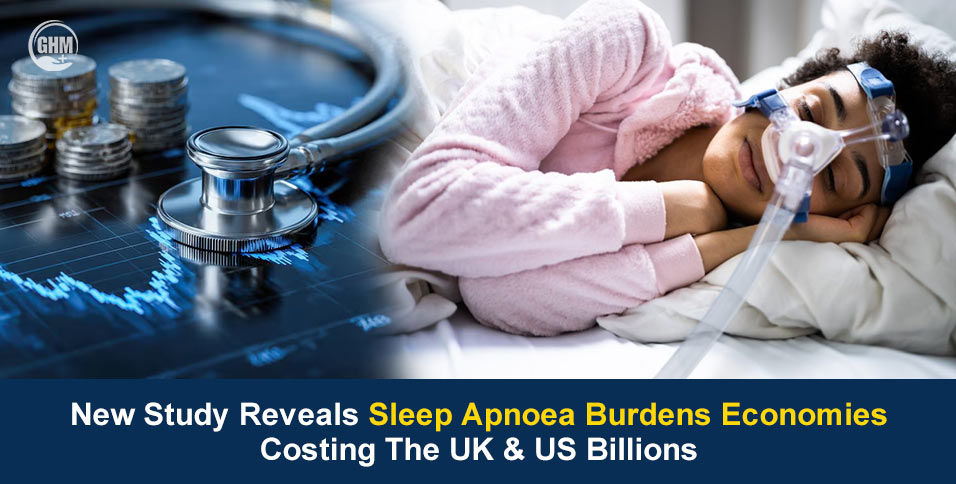
A recent study revealed that sleep apnoea burdens economies of the UK and the US. The sleep condition is costing these countries more than £137 billion ($174 billion) every year. This financial fallout stems primarily from lost workplace productivity and increased healthcare strain.
Currently, medical experts estimate that up to 85% of sufferers remain undiagnosed, leaving millions to struggle with chronic exhaustion.
In result, this silent crisis weakens national balance sheets and damages individual well-being while draining global healthcare systems.
The Research Findings: How Sleep Apnoea Burdens Economies
The sheer scale of the fiscal impact proves that sleep apnoea burdens economies far beyond the clinical setting. Specifically, untreated obstructive sleep apnoea drives large-scale economic losses through reduced workforce output and high medical expenses.
The primary cost drivers include:
- Absenteeism: Employees taking frequent sick leave due to exhaustion or related illnesses.
- Presenteeism: Staff attending work but performing at lower capacities due to cognitive fog.
- Healthcare Utilization: Higher rates of emergency visits for cardiovascular issues due to poor sleep.
- Fatigue-Related Accidents: Costly workplace mishaps and road traffic collisions.
Because of these factors, untreated sleep apnea functions as a hidden cost center for both governments and private employers.
How Sleep Disorders Put Workplace Productivity At Risk
Business leaders often overlook how poor sleep quality compromises the bottom line. When a worker suffers from obstructive sleep apnoea, their brain lacks oxygen throughout the night, which destroys daytime concentration.
Studies show that workplace productivity loss is directly connected to daytime sleepiness. Employees with untreated sleep conditions often struggle with engagement and efficiency. To combat this, corporations must view workplace screening programs as a high-return investment.
By identifying at-risk staff, companies can reduce errors associated with chronic fatigue and improve overall business performance significantly.
Why Sleep Apnoea Is Undiagnosed In Millions
A significant proportion of the global population remains unaware that they have a life-threatening condition. Currently, millions of people mistake chronic exhaustion for lifestyle fatigue or age-related slowing. This lack of awareness ensures that sleep apnoea burdens economies for decades as symptoms worsen over time.
Untreated Sleep Apnoea increases the risk of:
- Cardiovascular Disease: High blood pressure and heart failure.
- Metabolic Disorders: Type 2 diabetes and obesity.
- Cognitive Decline: Increased risk of dementia and memory loss.
Limited access to sleep testing services further complicates the issue. Without a formal diagnosis, patients cannot access life-changing treatments.
What Policy Reforms Are Needed to Reduce Economic Losses
Strategic policy changes can mitigate economic burden globally. Health experts argue that early diagnosis and lifestyle interventions significantly improve both patient health and national GDP.
Furthermore, integrating sleep health into standard healthcare pathways like those in the NHS could save billions.
Necessary policy reforms include:
- Public Health Campaigns: Educating the general public on the dangers of obstructive sleep apnoea.
- Workplace Screening: Mandating sleep health checks for high-risk occupations like trucking or heavy machinery operation.
- Expanded Sleep Clinics: Reducing wait times for diagnostic sleep studies.
Conclusion
The research states that the UK and the US lose billions annually, the main cause is that sleep apnoea burdens economies. It is a condition that remains largely invisible, such as massive productivity losses, undiagnosed cases, and rising medical expenses. The new study only captures the situation of these two countries, but the crisis could be deeply rooted in other economies of the world.
To secure a more resilient economic future, we must prioritize early diagnosis and symptom awareness. Addressing sleep disorders is not merely a medical necessity; it is a strategic economic investment. By tackling the sleep apnoea crisis today, nations can foster a healthier, more productive, and more prosperous society for tomorrow.