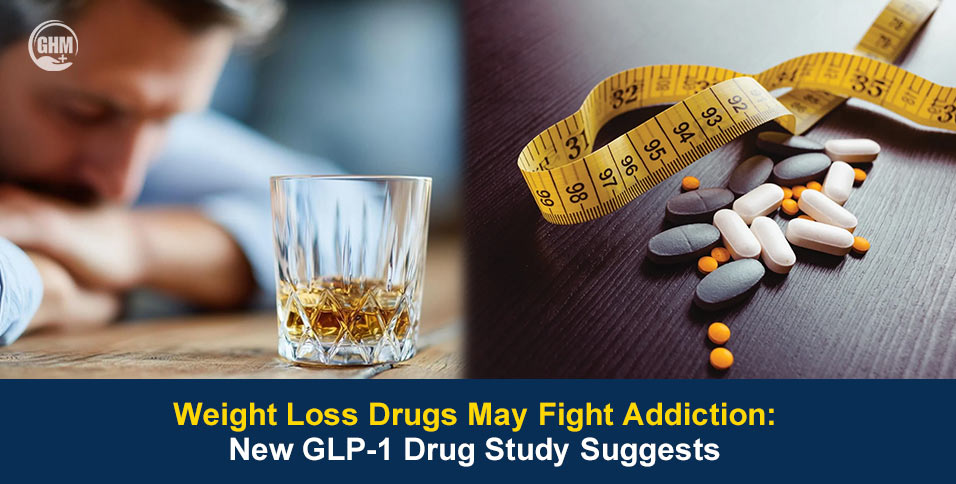
New research suggests that weight loss drugs may fight addiction, offering hope in an area of medicine where treatment options remain limited. Scientists studying widely used GLP-1 drugs, originally developed for diabetes and obesity, have discovered that they may also help reduce the risk of alcohol and drug addiction.
The findings come from a large GLP-1 drug study involving more than 600,000 people, indicating that these medications may reduce cravings for substances such as alcohol, nicotine, opioids, and cocaine. While experts caution that more research is needed, the results are already generating interest among addiction specialists and public health researchers.
If confirmed in clinical trials, the discovery could transform how doctors approach substance use disorders, which affect millions worldwide.
A Major GLP-1 Drug Study Points to New Possibilities
The new GLP-1 drug study analyzed health records from more than 600,000 U.S. veterans with type 2 diabetes. Researchers compared people taking GLP-1 drugs with those taking other diabetes medications.
The results were striking. Patients using GLP-1 medications had significantly lower risks of developing various substance use disorders, including:
- Alcohol use disorder
- Nicotine dependence
- Cannabis use disorder
- Cocaine addiction
- Opioid addiction
According to the study, weight loss drugs may fight addiction by reducing the likelihood that people develop these disorders in the first place.
Researchers also found protective effects among people who already had addiction issues. In this group, GLP-1 drug use was linked to:
- 39% fewer drug overdoses
- 26% fewer hospitalizations related to substance use
- 31% fewer emergency department visits
- 50% lower risk of drug-related deaths
“These results were surprising in both their magnitude and consistency across multiple substances,” researchers noted in the study.
The idea that weight loss drugs may fight addiction across several different types of substances rather than targeting just one is strengthened by this evidence.
How Weight Loss Drugs Can Reduce Addiction
Scientists believe the answer lies in how weight loss drugs affect the brain.
These medications replicate a natural hormone called glucagon-like peptide-1 (GLP-1), which regulates appetite and blood sugar levels. That is why they are commonly used as obesity drugs and diabetes treatments.
However, GLP-1 receptors are also found in areas of the brain that control reward, motivation, and cravings, the same circuits involved in addiction.
According to researchers quoted in the study, the medications appear to reduce dopamine signaling in the brain’s reward center. Dopamine is a chemical that creates feelings of pleasure when people eat food, drink alcohol, or use drugs.
By lowering this reward signal, weight loss drugs may fight addiction by making addictive substances less appealing.
Many patients taking medications like Ozempic and Zepbound have reported similar experiences, saying their cravings for alcohol, cigarettes, or other substances declined after starting treatment.
Growing Potential Of GLP-1 Drugs Beyond Weight Loss
The idea that weight loss drugs may fight addiction is part of a broader trend of the rapid expansion of medical uses for GLP-1 drugs.
Originally developed for diabetes, these medications quickly became popular obesity drugs after studies showed they could help people lose significant weight. Drugs such as Ozempic, Wegovy, and Zepbound are now prescribed worldwide.
Scientists are now exploring whether GLP-1 therapies might also help treat:
- Heart disease
- Kidney disease
- Sleep apnea
- Alcohol and drug addiction
Dr. Ziyad Al-Aly, a clinical epidemiologist involved in the research, said the broad impact of the drugs was unexpected.
“This is a diabetes and obesity drug, not an addiction drug,” he said in comments reported by Scientific American. “The surprising part was how consistently the effects appeared across different substances.”
Because millions of people already use these medications, even small reductions in addiction risk could have major public health benefits.
That is why experts say the evidence suggesting weight loss drugs that can lower addiction risk deserves serious attention.
Major Weight Loss Drug Warnings and Safety Concerns
Despite the promising findings, researchers emphasize that the study does not prove that GLP-1 drugs treat addiction directly.
The research was observational, meaning scientists examined existing medical records rather than conducting a controlled clinical trial.
There are also ongoing discussions about weight loss drug warnings and potential safety issues.
For example, health experts are studying how GLP-1 medications might affect pregnancy and fetal development. The obesity drug has also got a warning over its effect on mental health, emphasizing the importance of careful medical supervision when using these treatments.
Other questions remain unanswered, including:
- Whether addiction benefits continue after stopping the medication
- Whether long-term use changes brain reward pathways
- Whether some patients may experience reduced motivation or emotional changes
Because of these uncertainties, experts stress that weight loss drugs may fight addiction, but they are not yet approved as addiction treatments.
Clinical Trials Could Confirm If Obesity Drugs Fight Addiction
The encouraging results from the obesity drug study have sparked new clinical trials to test whether these medications can truly help treat addiction.
Several studies are already underway exploring new GLP-1-based therapies that specifically target addiction and cravings.
If future research confirms that weight loss drugs may fight addiction, the implications could be enormous. Current medications for substance use disorders are limited and often underused.
Conclusion
For decades, scientists have searched for treatments that target the root causes of addiction rather than just its symptoms.
The growing evidence that weight loss drugs may fight addiction suggests that addiction could share a common biological pathway, one that GLP-1 medications may help regulate.
While researchers urge caution until clinical trials confirm the results, the discovery could represent one of the most promising developments in addiction medicine in years.
If the science holds up, medications originally designed to help people lose weight might soon play a role in addressing one of the world’s most persistent public health challenges, alcohol and drug addiction.