If you have ever felt a pounding pain behind your eyes or sensitivity to light so intense you need a dark room, you know migraines are not just headaches. These intense neurological events disrupt your daily life, productivity, and mental well-being.
Just like you, migraines affect over 1 billion people worldwide, making them the third most prevalent illness globally. You look for ways to get rid of migraines every day, but it is not a quick process. Achieving effective migraine relief requires a deep understanding of your body’s unique patterns. Apart from your body, understanding migraine is also essential to track and treat migraine with simple lifestyle changes.
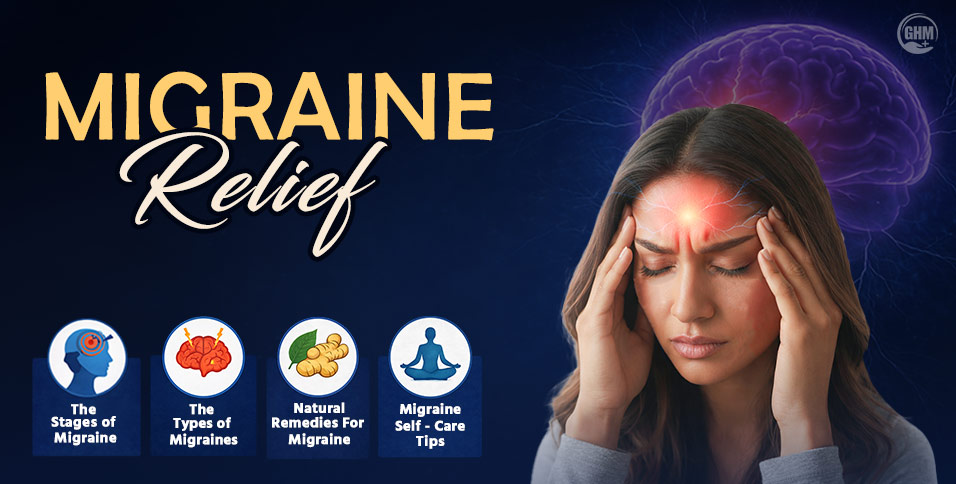
This comprehensive guide explores evidence-backed strategies for migraine relief, from identifying early warning signs to utilizing natural remedies. We will dive into the various types of migraines, the four distinct stages of an attack, and the digital tools that can help you regain control.
It is time to move beyond simply masking the pain and start addressing the root causes! Let’s start by truly understanding what your body is trying to tell you.
What Is A Migraine?
A migraine is a complex neurological condition, not just a severe headache. 1 in 7 people globally experience this migraine pain every day.
While a regular headache causes mild pressure, a migraine often brings throbbing pain, nausea, and extreme sensitivity to light and sound.
The most interesting part is that every migraine story is different. What triggers an attack in one person might do absolutely nothing to another. This is why a one solution for everyone does not exist. Understanding your specific patterns is the essential foundation for finding lasting migraine relief.
Common Causes and Triggers of Migraines
Your brain is hyper-reactive to internal and external changes. While the exact cause remains a subject of intense research, migraines typically stem from abnormal brain activity affecting nerve signals, chemicals, and blood vessels. Identifying these triggers is the first step toward effective migraine relief.
Primary causes and triggers of Migraine:
1. Genetics and Family History
Genetics plays a significant role in migraine development. If one parent suffers from migraines, you have a 50% chance of developing them; if both parents do, the risk rises to 75%. Specific gene mutations affect how brain cells process sensory information, lowering your threshold for an attack.
2. Hormonal Changes
Fluctuations in estrogen are a major trigger for women. Many experience “menstrual migraines” just before or during their period when estrogen levels drop. Hormonal shifts during pregnancy, menopause, or when using oral contraceptives can also significantly alter the frequency and intensity of neurological pain.
3. Stress and Emotional Triggers
Stress is a leading cause of migraine attacks. During stressful periods, the brain releases chemicals like cortisol that trigger a “fight or flight” response. Interestingly, many people experience “let-down headaches,” where a migraine strikes on the weekend once the initial stress of the workweek finally subsides.
4. Sleep Disruptions
Both a lack of sleep and oversleeping can disrupt the brain’s internal clock. Poor sleep hygiene prevents the brain from entering the restorative stages needed to regulate pain processing. Maintaining a consistent sleep-wake cycle is one of the most effective non-medical ways to achieve long-term migraine relief.
5. Dehydration
Dehydration causes brain tissue to shrink slightly and pull away from the skull, irritating nerves and leading to the characteristic throbbing pain of a migraine.
6. Environmental Stimuli
Hyper-excitable sensory nerves can react violently to external changes. Bright lights, flickering screens, loud noises, and strong odors (like perfume or smoke) can overstimulate the brain’s cortex, triggering migraine.
7. Physical Exertion
According to a study, while regular moderate exercise is beneficial, intense or sudden physical exertion can trigger an attack. High-intensity activities may cause blood vessels in the head to dilate rapidly. It is vital to warm up slowly to avoid “exercise-induced” migraines that can strike mid-workout.
What Are The Stages of Migraine?
Migraines follow a clear four-stage pattern. Identifying these stages early allows for more effective intervention and migraine relief.
1. Prodrome (Early Warning Signs)
This “pre-storm” phase occurs hours or days before the pain hits. You might experience mood changes, food cravings, or unusual fatigue. This is the ideal time to start early migraine relief techniques.
2. Aura (Neurological Signals)
About 25% of migraine sufferers experience an aura. This phase involves visual disturbances like flashing lights or sensory changes like tingling. While strange, these “brain glitches” are temporary but serve as a final warning.
3. Attack (Headache Phase)
Of all the stages of migraine, this is the peak of the episode, lasting 4 to 72 hours. It involves pulsating pain, often on one side of the head, and is frequently accompanied by vomiting.
4. Postdrome (Recovery Phase)
Often called a “migraine hangover,” the postdrome stage leaves you feeling drained and mentally foggy. Your body needs significant rest to recover from the intense neurological event.
What Are The Types of Migraines?
Classification of migraine is vital because different types of migraines require tailored methods of migraine relief. While all involve neurological sensitivity, the symptoms and treatments of migraine vary significantly.
- Migraine Without Aura: The most common type, where intense pain strikes without warning.
- Migraine With Aura: Includes distinct visual or sensory warning signs before the headache.
- Chronic Migraine: Occurs 15 or more days per month for at least three months.
- Vestibular Migraine: Focuses on dizziness and vertigo rather than just head pain.
- Silent Migraine: You experience the aura and nausea but skip the actual headache phase.
Tips For Migraine Self-Care & Prevention
1. Quick Relief Techniques
When an attack hits, immediate action is necessary. Rest in a dark, quiet room to manage sensory sensitivity. Applying a cold compress can numb pain and reduce inflammation.
2. Medical Treatments
For many, over-the-counter (OTC) options or prescription triptans are necessary. Always consult a neurologist to find the right medical path for your specific condition.
3. Migraine Diary
Using a migraine diary helps you spot patterns you might otherwise miss. If weather changes or specific foods can trigger your pain, you can take precautionary care.
4. Migraine Apps for Tracking
Digital tools make migraine tracking effortless. Using migraine apps can help you in comprehensive tracking of triggers and symptoms. These apps generate reports that help your doctor understand your condition.
Natural Remedies For Migraine Relief
There are a few science-backed natural remedies that provide relief from migraine pain for those seeking drug-free options.
Nutritional Support
- Magnesium: Studies show magnesium can reduce migraine frequency by 41.6%.
- Riboflavin (B2): High doses may drop attack frequency by 50% over three months.
- CoQ10: This antioxidant protects cellular energy and reduces severity.
- Omega-3s: These fatty acids reduce the inflammation linked to head pain.
Herbal Remedies
- Ginger: One study found ginger as effective as common migraine drugs for pain relief.
- Feverfew: This traditional herb helps relax tight muscles in the head and neck.
- Butterbur: Effective but must be “PA-free” to avoid liver toxicity.
When to Seek Medical Help
While most migraines are manageable at home, certain migraine symptoms act as “red flags” for more serious neurological issues.
Seek Urgent Care If You Experience:
- The “Thunderclap” Headache: A sudden, excruciating pain that reaches maximum intensity within seconds.
- Neurological Deficits: Sudden numbness, weakness (especially on one side), or difficulty speaking.
- Vision Loss: Any sudden partial or total loss of vision in one or both eyes.
- Post-Trauma Pain: Headaches that begin shortly after a fall or a blow to the head.
End Note
Finding effective migraine relief is a marathon, not a sprint. It requires layering nutrition, lifestyle shifts, and professional guidance. By staying aware of your stages you can shift from disruption to management.
The future of migraine care lies in this personalized, integrative approach. Start your diary today and take the first step toward a pain-free tomorrow.
Found this guide helpful? Share it with someone who needs relief from migraine today!
Sanskruti Jadhav