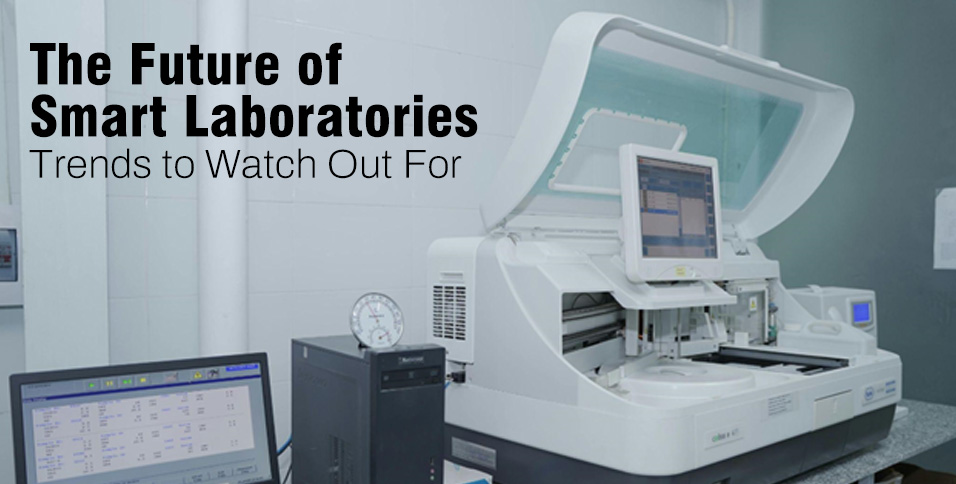
Hey, let’s be real for a second. Labs have always felt like places from another planet. White coats, beeping machines, and endless notebooks full of messy handwriting. But that image is fading fast. Smart labs are popping up everywhere. They run on data, automation, and a bit of artificial intelligence. The goal is simple: fewer human errors and faster results. It’s not sci-fi anymore. It’s just the new normal.
Smarter Pipetting, Less Repetition
You know that boring task of moving tiny drops of liquid from one tube to another? It eats up hours. That’s where automated liquid handling comes in. These machines take over the repetitive work. They measure and transfer fluids with insane precision. Your hands stay free for thinking and analyzing. The system follows a program, not a sticky note. This change alone cuts down spills and mistakes. It also frees up scientists to do real science. No more wrist cramps from holding a pipette all day.
AI That Actually Helps, Not Hypes
Artificial intelligence is not just a buzzword here. In smart labs, AI learns from past experiments. It suggests the next step before you even ask. It can spot weird data points that don’t fit. Then it flags them for a second look. This means fewer wasted weeks on bad experiments. The machine becomes a teammate, not a tool. You still make the final call. But the AI gives you a solid head start.
Connected Instruments That Talk to Each Other
Old lab gear worked alone. A centrifuge didn’t talk to a spectrometer. Now everything connects through a central network. Your pH meter sends data straight to the cloud. Your incubator logs temperature changes automatically. This connection removes the need for manual data entry. No more typos in your notebook. No more lost printouts. The system builds a clean digital record for every single sample.
Remote Access for Late-Night Work
Imagine checking your experiment from your couch. That’s real now. Smart labs let you monitor equipment through a phone or laptop. You can start a reaction from your kitchen. You can stop a run if something looks wrong. This remote control saves late-night drives to the lab. It also gives you peace of mind. Did you close the fume hood? Just check the app. It’s that simple.
Predictive Maintenance Before Things Break
Nothing ruins a Friday like a broken incubator. Smart sensors predict when a machine will fail. They track vibration, heat, and usage hours. Then they send an alert: “Service me in three days.” You fix it on your schedule, not in panic mode. This small trend saves huge money. No ruined samples. No emergency repair bills. Just smooth, boring reliability. And boring is beautiful in a lab.
Better Reproducibility for Honest Science
Everyone knows the replication crisis in research. Many published results can’t be repeated. Smart labs fight this problem. They record every step automatically. The machine logs the exact temperature, timing, and lot number of reagents. Later, another scientist can replay your protocol exactly. No hidden tricks. No vague methods sections. Just clean, traceable data. This builds trust in the science itself.
Greener Labs Through Smarter Resource Use
Smart labs also help the planet. Automated systems use less plastic and fewer chemicals. They measure exactly what you need, nothing more. Energy use drops too. Lights and vents turn off when no one is around. Fume hoods adjust their airflow based on actual use. These small savings add up fast. A green lab is also a cheap lab to run. And that makes both accountants and activists smile.
Collaboration Without Walls
Here’s a cool one. Smart labs allow scientists from different cities to work together in real time. One person prepares a sample in Boston. Another runs an analysis in Berlin five minutes later. The cloud syncs everything instantly. You share data, videos, and even live instrument controls. This kills the old waiting game for email replies or shipped hard drives. It speeds up teamwork like crazy. And it makes big problems feel smaller because more brains jump in fast.
What’s Coming Next
The future won’t stop here. Voice assistants for labs are already in testing. “Hey robot, warm my samples to 37 degrees.” That kind of thing. Some labs use digital twins, a virtual copy of the real workspace. You test an experiment on the twin first. Then you run it for real. It saves time and materials. The smart lab is not a distant dream. It’s a growing reality. And honestly? It’s about time.