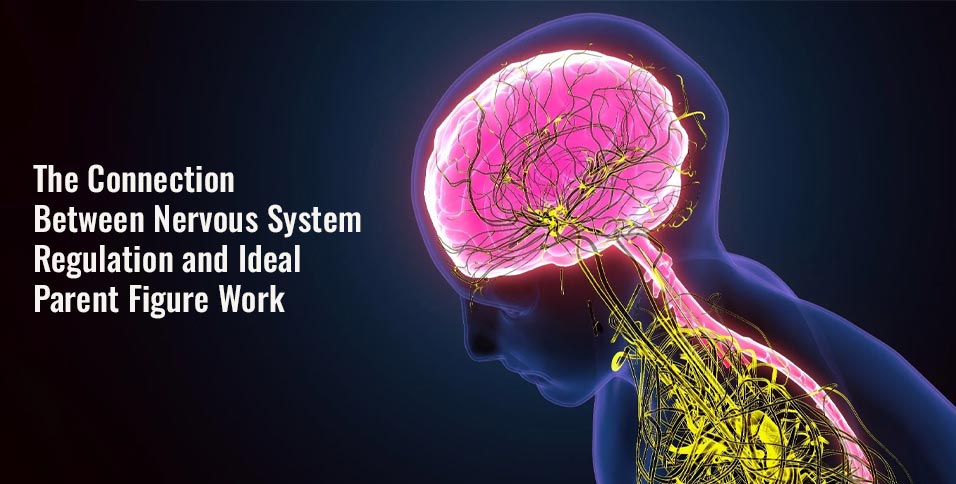
In recent years, there has been growing recognition that many emotional and physical health challenges are deeply connected to one core system in the body: the autonomic nervous system. Rather than being purely psychological issues, conditions like chronic anxiety, burnout, sleep problems, and even digestive discomfort often reflect a nervous system that is stuck in survival mode.
One therapeutic approach that directly targets this deeper layer of regulation is the Ideal Parent Figure (IPF) protocol. Through guided imagery and internal attachment work, IPF helps individuals develop a felt sense of safety, stability, and emotional support that may have been missing in early life experiences.
But how exactly does this relate to the nervous system—and why does it matter for health?
What Nervous System Regulation Actually Means
The autonomic nervous system controls all automatic survival functions in the body. It operates through two primary states:
- Sympathetic activation (fight or flight) – stress, alertness, survival response
- Parasympathetic activation (rest and digest) – calm, recovery, repair
When the nervous system is well-regulated, it moves fluidly between these states based on real needs. However, in many people, especially those with early attachment stress or emotional neglect, the system becomes biased toward chronic sympathetic activation.
This can result in:
- Persistent anxiety or inner tension
- Fatigue and burnout
- Sleep disturbances
- Digestive issues (e.g., IBS-like symptoms)
- Reduced immune resilience
In short, the body behaves as if it is never fully safe.
How the Ideal Parent Figure (IPF) Protocol Works with the Nervous System
The ideal parent figure protocol uses guided visualization to activate internal experiences of being deeply cared for, protected, and emotionally attuned to.
During IPF practice, a person imagines ideal parental figures who consistently provide:
- Emotional safety and stability
- Warmth, attunement, and acceptance
- Protection without control or intrusion
- A calm and reliable presence
Although these figures are imagined, the emotional and physiological response they generate is real. The brain does not fully distinguish between vividly imagined safe relationships and real-life experiences of safety.
Over time, this repeated internal experience begins to reshape how the nervous system responds to stress and connection.
The Nervous System Effects of IPF Practice
When the brain experiences consistent cues of safety, several key changes can occur:
- Increased activation of the parasympathetic nervous system
- Reduced hyperactivity in the brain’s threat detection system (amygdala)
- Improved emotional self-regulation capacity
- Greater tolerance for stress and relational triggers
In practical terms, this means the body is less likely to default into survival states during everyday challenges.
Instead of reacting from fear or defensiveness, the nervous system begins to recognize that safety is available—even in difficult moments.
Why This Matters for Physical Health
Nervous system regulation is not just a psychological concept—it has direct physiological consequences.
When the body shifts out of chronic stress activation, multiple systems improve:
- Cardiovascular health: lower resting heart rate and blood pressure
- Immune function: improved regulation and reduced inflammatory load
- Digestive system: better motility and reduced stress-related symptoms
- Hormonal balance: more stable cortisol patterns and energy levels
From this perspective, emotional safety becomes a biological requirement, not just a mental comfort.
A Bottom-Up Approach to Healing
Many conventional approaches to stress focus on changing thoughts or managing behavior. While useful, they often overlook a deeper layer: the implicit sense of safety stored in the nervous system.
The IPF protocol works differently. It does not primarily try to “fix thoughts,” but instead helps build an internal experience of secure attachment. This creates a foundation from which emotional regulation becomes more natural and less effortful.
Over time, this can shift a person’s baseline state—from chronic activation to a more stable sense of internal safety.