Every year on 29 April, the world celebrates International Dance Day. This day reminds us that movement is a universal language that connects people across cultures and generations. But beyond celebration and entertainment, science shows that there are many impressive health benefits of dancing. From improving heart health and burning calories to reducing stress and sharpening memory, dancing is one of the easiest and most enjoyable ways to stay healthy and active.
Unlike many workouts that feel repetitive, dancing combines exercise, music, rhythm, and self-expression. This makes it easier for people to stay consistent with their fitness routine. Whether you enjoy Bollywood, Zumba, ballroom, hip-hop, or simply dancing at home, this activity can support both physical and mental wellness.
In this guide, we explore 7 proven health benefits of dancing and why adding more movement to your day could be one of the best decisions for your long-term wellness.
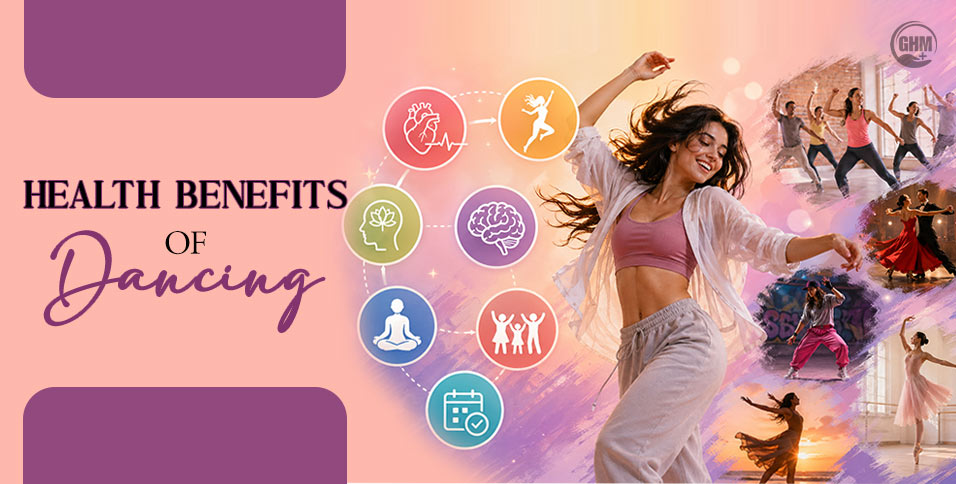
7 Amazing Health Benefits of Dancing For Overall Well-being
1. Dancing Improves Heart Health
Dancing is a cardio workout that raises your heart rate, strengthens your heart muscle, and improves blood circulation. Regular moderate-intensity dance like Zumba or salsa helps you meet the recommended 150 minutes of weekly aerobic activity.
According to a study, dancing reduces the risk of cardiovascular disease, lowers high blood pressure, and improves overall endurance. Think of dancing as preventive cardiology, one that actually feels enjoyable.
2. Helps With Weight Management and Calorie Burn
Dancing burns calories depending on the style and intensity. A 30-minute Zumba session can burn between 300–500 calories, while Bollywood and hip-hop styles keep your metabolism active long after you stop.
Unlike repetitive gym workouts, dance exercise includes better long-term consistency because people enjoy the movement. Combined with balanced nutrition, dancing supports sustainable fat loss and healthy weight management.
3. Boosts Mental Health and Reduces Stress
Physical movement releases endorphins, your brain’s natural mood boosters. The combination of music and rhythmic motion also triggers serotonin production, which reduces anxiety and lifts your mood.
Studies link regular dancing with lower depression scores and improved emotional well-being. Whether you join a group class or freestyle in your living room, the mental health benefits of dance are real and immediate. Dancing also serves as a healthy emotional outlet after stressful workdays.
4. Improves Brain Function and Memory
Dancing activates multiple brain regions simultaneously, including areas responsible for memory, coordination, rhythm, and planning. This makes it a uniquely powerful mental workout.
Remarkably, a landmark study published in the New England Journal of Medicine found that frequent dancing was the only physical activity associated with a reduced risk of dementia, cutting the risk by 76%, twice the benefit of reading. These findings show that there is a positive relationship between dancing and brain health at every age group.
5. Builds Strength, Balance, and Flexibility
Dance movements actively engage your leg muscles, core, and postural muscles. Over time, this builds functional strength that supports everyday activities. Better balance, in particular, lowers the risk of falls, a critical concern for older adults.
Ballet and contemporary styles improve joint mobility and flexibility. Ballroom dance challenges coordination and spatial awareness. Each style targets different physical benefits of dancing, so variety is an advantage.
6. Encourages Social Connection and Emotional Well-Being
Social connection is one of the strongest predictors of long-term health. Partner dances like salsa and ballroom dancing build trust and communication skills. Group fitness classes create friendships and a sense of belonging.
Experts widely link loneliness to poor physical and mental health outcomes. Therefore, the health benefits of dancing extend beyond the individual. They build communities that support emotional resilience.
7. Makes Exercise Easier to Maintain Long-Term
Most people quit exercise routines because they feel boring or repetitive. Dancing solves this problem entirely. The variety of styles, the music, and the social element all keep motivation for exercise high.
Consistency drives lasting results. The best exercise is the one you actually keep doing — and cardio dance benefits improve with regular practice. Whether it’s 10 minutes of dancing at home or a weekly dance class, every session adds up.
Best Types of Dance For Healthy Living
Different dance styles target different health outcomes. Here is a quick guide:
- Zumba / Aerobic Dance: Best for weight loss and cardiovascular stamina
- Ballroom Dance: Excellent for balance, posture, and social connection
- Bollywood Dance: High-energy cardio with a fun twist of Indian Culture
- Ballet: Builds flexibility, core strength, and posture alignment
- Hip-Hop: Great for full-body strength and building energy
- Contemporary / Freestyle: Ideal for stress relief and emotional expression
- Tai Chi-inspired movement: Promotes balance, mindfulness, and gentle joint health
Safety Tips Before You Start Dancing
Dance for fitness is safe for most people, but a few simple precautions help you get the most out of it:
- Always warm up for 5–10 minutes before dancing
- Wear supportive, non-slip footwear
- Stay hydrated before, during, and after sessions
- Start with beginner classes if you are new or returning after a break
- If you live with a chronic illness, joint condition, or age-related mobility concern, consult your doctor first.
End Note
The health benefits of dancing include your physical, mental, and emotional wellness. From stronger heart health and better weight management to sharper memory, reduced dementia risk, improved balance, and deeper social bonds, dance delivers it all.
This International Dance Day 2026, you do not need a studio or special skills to start. Put on a song you love, move for 10 minutes, and let your body do the rest.
Your healthiest workout may start with just one song.
Frequently Asked Questions
- What is dance movement therapy (DMT)?
Dance movement therapy (DMT) is a structured, clinically applied form of therapy that uses movement to support emotional, cognitive, and physical integration. Dance movement therapy differs from recreational dancing and is used in clinical settings to treat conditions including anxiety, PTSD, and depression.
- Can dancing help with nerve pain or neuropathy?
Yes. Gentle, low-impact dance styles can improve circulation and body awareness, which may benefit people with mild nerve-related discomfort. However, always consult your doctor before starting.
- What are the types of dance therapy used in clinical settings?
Several structured types of dance therapy exist, including Authentic Movement, the Chacian Method, and Laban Movement Analysis. Each targets different therapeutic goals.