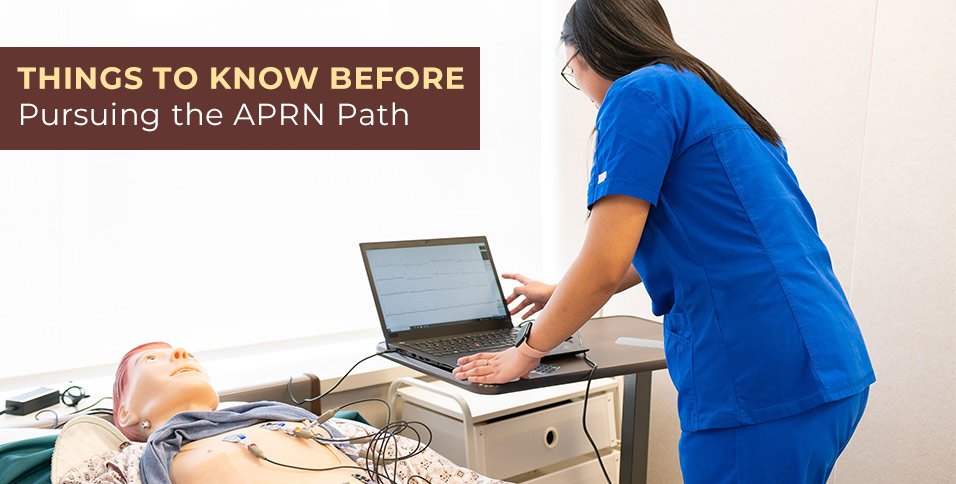
If you’ve ever thought about moving beyond registered nursing and taking on a bigger role in patient care, the APRN path can look exciting and a little intimidating. That’s normal. There are a few steps, some schooling, and a healthy amount of patience involved. Still, when you break it down, it’s much easier to understand. You don’t need a giant flowchart and three cups of coffee. You just need a clear picture of what the road looks like and how it might fit your life.
Create a Realistic Timeline
When people first hear about advanced practice nursing, one of the biggest questions is how long the whole thing takes. One of the first things prospective nurses look into is APRN schooling years, since understanding the typical timeline makes it much easier to plan the journey.
An APRN, or Advanced Practice Registered Nurse, is a nurse with graduate-level education and a more independent clinical role. That can mean diagnosing patients, prescribing treatment, or focusing on a specialty area.
The timeline depends on where you start. If you’re not yet a nurse, the path will take longer. If you already work as an RN, you’ve got a head start. Most people move through the process in stages, not one giant leap. Think of it less like a sprint and more like a steady hike. Good shoes help. So does knowing where the next turn is.
Choose the Right Education
The education path usually starts with becoming a registered nurse. Some people begin with an associate degree, while others go straight into a bachelor’s program. A Bachelor of Science in Nursing is often the more direct setup for later APRN study.
After that, you’ll need graduate education. Most APRNs earn either a master’s degree or a doctoral degree in nursing practice. This is where your training gets more focused and tied to the kind of advanced role you want.
Along the way, you’ll study patient care, clinical decision-making, and specialty-specific topics. There are also supervised clinical hours, which means learning by doing instead of only reading textbooks until your eyeballs file a complaint.
For many people, the school part is manageable when broken into chunks. One program at a time feels much less scary than staring at the full mountain.
Meet Licensing Requirements
Finishing school is a huge step, but it isn’t the finish line. You’ll still need the right licenses and certifications. First, you must hold an active RN license. That’s your foundation.
Then, after completing your graduate APRN program, you’ll usually take a national certification exam in your specialty area. This confirms that you’ve learned what you need for that role. State rules can vary, so the exact process may look a little different depending on where you live.
A few common things you may need include:
- Proof of completed clinical hours
- Graduate transcripts
- National certification results
- State application materials
It sounds like a lot on paper, and honestly, some of it is paperwork doing what paperwork does best: multiplying. Still, most of these steps are very predictable. If you stay organized and keep a checklist, it feels much more doable.
Choose the Right APRN Specialty
Not all APRN roles look the same, and that’s actually one of the best parts. You can choose a path that matches your interests and the kind of daily work you want.
Some APRNs become nurse practitioners and work in family care, pediatrics, or mental health. Others become nurse anesthetists, nurse midwives, or clinical nurse specialists. Each role has a different feel. One might suit someone who loves long-term patient relationships. Another might fit a person who does well in high-pressure settings.
It helps to ask yourself simple questions. Do you want to work with kids, adults, or both? Do you prefer clinics, hospitals, or community settings? Do you want a routine schedule, or are you okay with less predictability?
Your specialty choice can shape your school experience and your future lifestyle. So it’s worth thinking about early, even if your answer changes later.
Balance Work, Life, and School
This path can be rewarding, but let’s not pretend it’s magically stress-free. Many future APRNs juggle jobs, family duties, bills, and school at the same time. That’s a lot of plates in the air.
A few habits can make things easier:
- Build a weekly study routine
- Talk openly with family about time needs
- Save for school costs early if possible
- Ask employers about flexible scheduling
Online and hybrid programs can help if you need more room in your schedule. They won’t remove the work, but they can make the logistics less chaotic.
It also helps to be realistic. You may need to say no to some things for a season. That doesn’t mean your life is on pause. It just means your energy has a job right now. Short breaks, sleep, and a decent snack plan matter more than people admit.
Consider the Long-Term Benefits
For many nurses, yes, it’s worth it. The APRN path can lead to greater responsibility, stronger earning potential, and more influence over patient care. It can also open doors to leadership, specialized practice, and work that feels more closely matched to your strengths.
That said, it’s not only about money or titles. The role asks more of you. More judgment. More accountability. More decisions when things aren’t perfectly clear. Some people love that challenge. Others prefer staying in a different kind of nursing role, and that’s completely valid.
If you’re curious about advancing your career, the key is to look at the full picture. Time, cost, stress, and long-term goals all matter. The good news is that this path is possible for ordinary people with busy lives. You don’t need to have everything figured out today. You just need a solid next step.