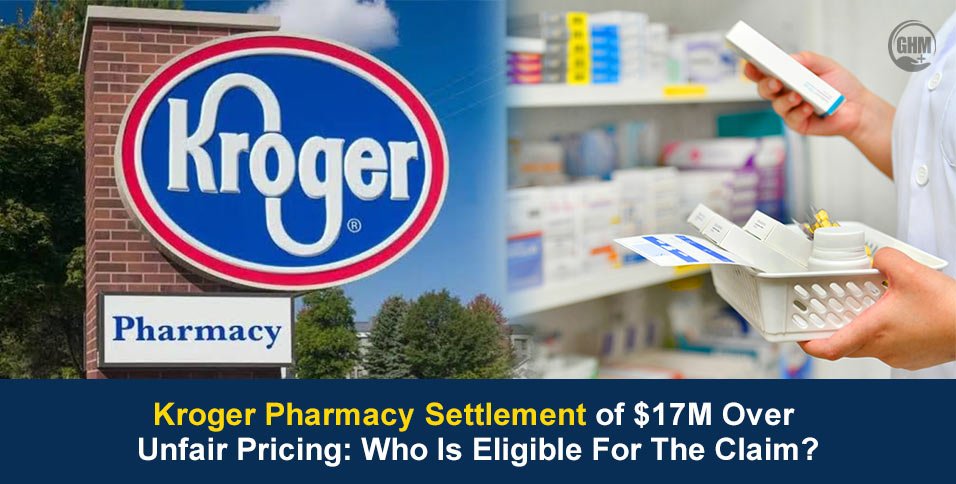
A recent class-action case against America’s Retailer Kroger alleges that Kroger overcharged some insured customers for certain generic medications by failing to account for lower prices available through its Kroger Savings Club.
The alleged pricing issue affected qualifying prescription purchases made between December 9, 2018, and August 23, 2026. Kroger has denied the allegations and does not admit wrongdoing.
A proposed $17 million Kroger pharmacy settlement could provide compensation to customers who used insurance to pay for certain prescription drugs at Kroger-affiliated pharmacies. Eligible customers can submit a claim for a share of the settlement fund before the December 21 deadline, although individual payments will vary.
Why Did the Kroger Savings Club Lawsuit Start?
The Kroger pharmacy settlement started with allegations that some insured pharmacy customers paid higher out-of-pocket costs for certain generic drugs.
According to the lawsuit, Kroger did not factor lower prices available through the Kroger Savings Club into the pricing of qualifying prescriptions for some customers using insurance.
The plaintiffs alleged that this resulted in higher costs and accused the company of fraud, negligent misrepresentation, and unjust enrichment.
Kroger disputes those claims. The company has maintained that Savings Club prices were available only to customers who enrolled in the program, paid an annual membership fee, and met other program requirements. Kroger therefore argues that those discounted prices should not have been treated as its standard retail prices. Despite denying wrongdoing, Kroger agreed to the proposed Saving Club settlement.
What Is The Kroger Settlement Eligibility For The Customers?
Kroger settlement eligibility generally applies to customers who meet the requirements established in the proposed settlement.
You may be eligible for the Kroger pharmacy claim if you:
- Used Kroger prescription insurance benefits to pay for qualifying medications.
- Filled eligible prescriptions at a Kroger-affiliated pharmacy during the covered period.
- Made qualifying purchases between December 9, 2018, and August 23, 2026.
Customers identified as potential members of the Kroger pharmacy settlement may receive a notice containing a Claim ID. However, people who did not receive a notice but believe they qualify may also be able to submit a claim.
The settlement administrator may request information or documentation to verify eligible prescription purchases.
There is no fixed payment amount under the Kroger prescription settlement pharmacy claim. Eligible claimants will receive a share of the $17 million fund, with payments based on factors including qualifying prescription spending and the number of valid claims submitted. However, the individual payments are not expected to exceed $5,000.
The Kroger pharmacy settlement fund will also cover court-approved attorneys’ fees, litigation expenses, and administrative costs before payments are distributed.
How to File For The Kroger Pharmacy Claim?
Customers who received a settlement notice can use the Claim ID included in that notice to begin the claims process.
Those who did not receive a notice may still be able to file if they believe they meet the eligibility requirements. Claimants will need to provide information that helps identify their qualifying prescription purchases.
Individuals claiming $8,000 or more in qualifying prescription spending must provide supporting documentation. Other claimants may also be asked to verify their purchases.
Paper check, direct deposit, PayPal, Venmo, or Zelle may be used to issue the approved payments in the Kroger prescription settlement claim.
What’s The Kroger Settlement Claim Deadline?
Customers considering a Kroger prescription settlement claim should pay close attention to these dates:
- Claim filing deadline: December 21, 2026
- Deadline to exclude yourself: October 22, 2026
- Final approval hearing: January 11, 2027
As with any proposed class-action resolution, final eligibility and payment amounts will depend on the settlement terms, court approval, and the information submitted by individual claimants.