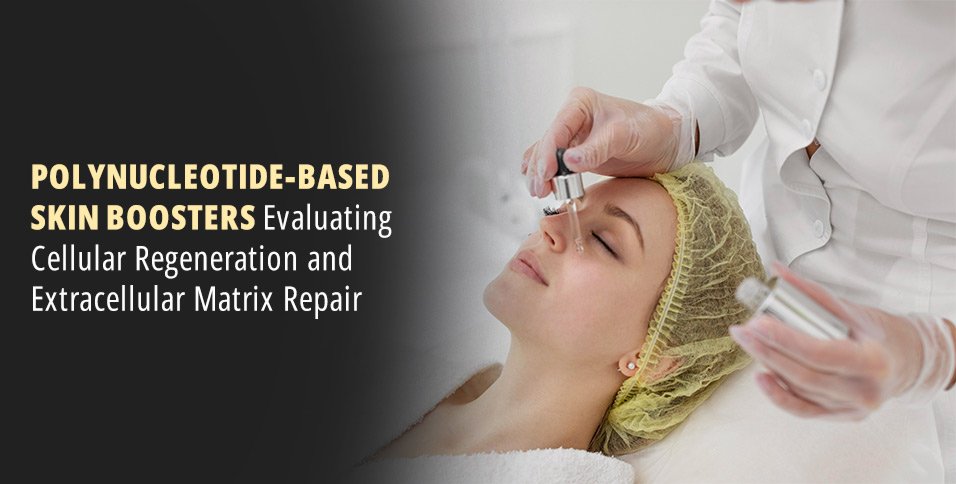
Skincare technology has moved far past simple surface hydration. The focus shifted toward deep tissue repair, specifically targeting how cells behave under stress and aging. Among the newer approaches gaining traction in aesthetics, polynucleotides stand out because they operate on a biological level rather than just filling space.
Instead of sitting in the dermis to physically push up wrinkles, these molecules prompt the body to do its own repair work. The shift from passive volume replacement to active biological signaling changes how clinicians view structural skin aging.
The Science of DNA Molecules in Tissue Repair
Polynucleotides are long chains of nucleotides, which form the structural building blocks of DNA and RNA. When used as a DNA-derived skin treatment, these biological fragments interact directly with cell receptors. They are usually extracted from specific marine sources, most notably wild salmon, because their DNA sequences bear a striking structural similarity to human DNA.
This specific origin makes salmon DNA skin booster treatments remarkably bio-compatible. The body does not recognize the material as a foreign threat; instead, it processes the fragments as signaling molecules. Once introduced into the dermis, these nucleotides bind to specific purinergic receptors, particularly the A2A receptor type, on the surface of immune cells and structural skin cells.
This binding mechanism triggers a cascade of intracellular events. It suppresses inflammatory cytokines, increases blood vessel formation, and encourages cellular regeneration throughout the treated area. A 2021 clinical review on marine-derived nucleotides demonstrated that these fragments actively protect dermal cells from ultraviolet damage while stimulating nucleic acid synthesis, effectively giving damaged cells the metabolic tools needed to repair themselves.
Restoring the Extracellular Matrix
The extracellular matrix acts as the structural scaffold of the skin, composed mostly of collagen, elastin, and glycosaminoglycans. As skin ages or suffers environmental damage, this matrix degrades. Fibroblasts, the primary cells responsible for manufacturing this structural network, become dormant or sluggish.
The main driver behind matrix repair injectable therapies is fibroblast stimulation. When polynucleotides bind to cell receptors, they act like a wake-up call for these sleepy structural cells. Fibroblasts begin to proliferate and increase their output of Type I and Type III collagen, alongside native hyaluronic acid.
- High-density polynucleotides bind to A2A receptors, promoting cell proliferation.
- Active fibroblasts secrete fresh collagen and elastin fibers to rebuild the matrix.
- Microcirculation improves as new capillaries form, delivering nutrients to the area.
This biological activity restores the skin’s internal framework from within. The structural improvement is not an illusion caused by water retention; it stems from a denser, more organized network of collagen fibers spanning the dermal layer.
Rejuran and the Mechanics of Polynucleotide Gel Formulations
Among the various treatments on the market, Rejuran represents a primary application of this scientific approach. Formulated as a clear, biocompatible polynucleotide gel, Rejuran utilizes purified polynucleotide chains derived from salmon sperm DNA to target structural damage in the dermis. This tissue regeneration injectable works by creating a favorable microenvironment for cell growth, encouraging the skin to naturally produce new extracellular matrix components over time. Clinicians often use Rejuran to address fine lines, acne scarring, loss of elasticity, and thin, fragile skin that has lost its structural integrity. Because Rejuran focuses on repairing the underlying dermal architecture rather than simply adding volume, its effects develop progressively as the tissue heals itself.
For medical practices integrating this skin regeneration technology into their treatment protocols, sourcing authentic products remains a priority. Licensed practitioners frequently order Rejuran from a professional supplier to ensure they receive genuine formulations stored under proper temperature controls. Choosing a reliable Rejuran professional supplier guarantees product purity, which is critical when administering a PN skin booster into sensitive dermal tissue. When clinicians utilize high-grade Rejuran, patients experience more predictable tissue regeneration outcomes.
Wound Healing Pathways and Dermal Regeneration
The biological mechanism behind a wound healing skin booster relies heavily on physiological repair processes. When tissue suffers trauma or chronic degradation, the microenvironment becomes acidic and inflamed. Polynucleotides help reset this hostile environment.
By scavenging free radicals and downregulating inflammatory markers, these molecules shift the tissue from a state of breakdown to a state of synthesis. The presence of free nucleotides provides a ready-made pool of raw materials for cellular salvage pathways. Cells save energy because they do not have to synthesize these building blocks from scratch, allowing them to redirect metabolic energy toward building new tissue.
This metabolic shortcut accelerates tissue repair. The dermal layer thickens over a period of weeks, improving elasticity and overall structural resilience.
Clinical Applications and Treatment Contexts
Polynucleotide skin boosters occupy a distinct niche in non-surgical aesthetics. They are fundamentally different from traditional hyaluronic acid fillers. Fillers aim to occupy space and draw water, offering immediate volume. Polynucleotide therapies focus on structural restoration through active cell signaling.
Because of this mechanism, polynucleotides suit regions where traditional fillers carry higher risk or look unnatural, such as the delicate under-eye region or thin skin on the neck. They can also complement other regenerative therapies. Combining polynucleotides with microneedling or energy-based devices creates a synergistic effect; the device creates a controlled stimulus, while the polynucleotides supply the biological signals and raw materials needed for optimal recovery.
Patients typically undergo a series of three to four sessions spaced a few weeks apart. The timing aligns with the biological cycle of cellular turnover and collagen synthesis. Results appear gradually as fresh tissue forms, peaking several weeks after the final session.
Evaluating the Long-Term Role of Polynucleotides
Aesthetic medicine continues to pivot away from temporary fixes toward treatments that alter tissue health long term. Polynucleotides sit right at the center of this transition. They offer a scientifically backed method to encourage cellular regeneration without forcing unnatural volume onto the face.
The ability to rebuild the extracellular matrix while controlling inflammation makes these treatments versatile tools for dermal repair. As research into nucleic acid therapies continues to expand, polynucleotide formulations will likely remain a foundational option for structural skin rejuvenation.