Navigating the healthcare system for mental health or substance use challenges often feels like choosing between two extreme options: attending a single 50-minute therapy session once a week or checking into a full-time residential hospital facility. While weekly therapy provides steady long-term support and inpatient hospitalization offers immediate crisis stabilization, many individuals need a middle ground. Structured community-based outpatient programs fill this critical space by offering intensive, multi-hour clinical support while allowing individuals to sleep in their own beds at night, maintain personal routines, and stay connected to local support systems.
1. Structured Outpatient Care Bridges the Gap Between Hospitalization and Weekly Therapy
When an individual completes a residential stay or finds that weekly therapy is no longer enough to manage escalating symptoms, structured outpatient programs provide an ideal level of support. Programs such as Partial Hospitalization Programs (PHP) and Intensive Outpatient Programs (IOP) offer structured daily or multi-day treatment blocks without requiring overnight stays. By visiting a dedicated treatment center in Milford MA, individuals receive several hours of evidence-based therapy each day, creating a safe framework between full hospitalization and total independence.
This level of care prevents relapse by stepping down treatment intensity gradually rather than stopping care abruptly. Individuals practice coping skills in real-world environments during the evenings and weekends, then return to their clinical team to debrief, process challenges, and refine their strategies.
2. Comprehensive Individualized Care Plans Address Root Causes
Effective mental health recovery is never a one-size-fits-all process. Every person arrives at treatment with unique life experiences, physical health factors, and psychological needs. Community-based outpatient care begins with a thorough clinical assessment to design a personalized treatment plan tailored to the specific goals of each individual.
- Targeted Goal Setting: Individualized plans identify specific behavioral milestones, coping strategies, and long-term recovery goals.
- Flexible Care Intensity: Clinical teams adjust session frequency and program levels as individuals show progress or require extra support.
- Holistic Integration: Programs incorporate mental health therapy, life skills training, and wellness practices to support total personal growth.
Customized care ensures that treatment addresses underlying factors, such as unprocessed trauma or stress triggers, rather than simply suppressing symptoms.
3. Multidisciplinary Teams of Licensed Clinicians Lead Treatment
A key advantage of structured outpatient care is direct access to a full team of credentialed professionals. Rather than working with a single isolated therapist, participants benefit from a collaborative clinical model where multiple specialists coordinate care under one roof.
These care teams typically consist of licensed clinical social workers, mental health counselors, board-certified psychiatrists, and psychiatric nurse practitioners. By working together, clinicians share insights and adjust treatment strategies in real time, ensuring that behavioral interventions, emotional processing, and medical care align seamlessly throughout the recovery process.
4. Group Therapy Builds Social Connection and Reduces Isolation
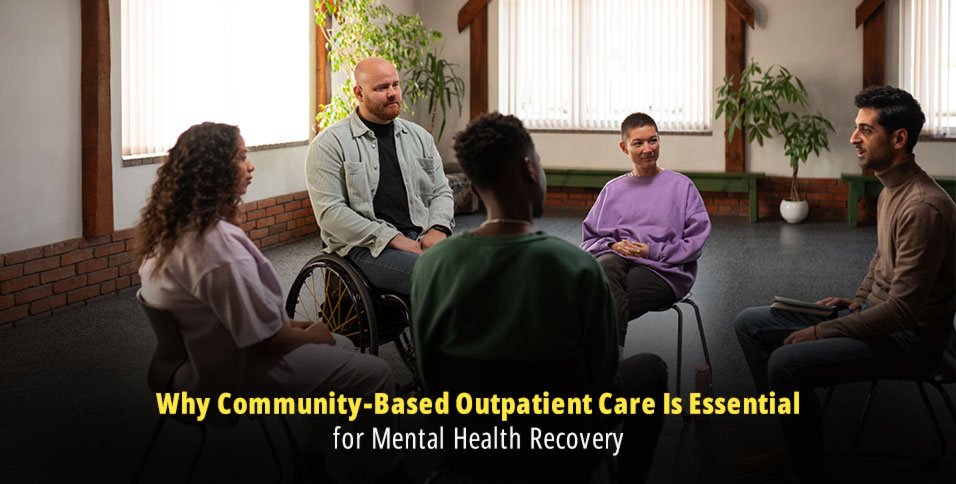
Mental health struggles and substance use disorders frequently breed deep isolation. Group therapy sessions serve as a cornerstone of structured outpatient programs, offering a safe, confidential environment where individuals share experiences, learn from peers, and practice social skills.
Led by experienced therapists, process groups and skill-building sessions help participants realize they are not alone in their challenges. Group settings allow participants to observe different perspectives, receive constructive feedback, and practice interpersonal boundary-setting. The shared accountability and encouragement found within group sessions foster a sense of community that often extends far beyond the duration of formal treatment.
5. One-on-One Counseling Provides Deep Personal Focus
While group therapy builds community connection, individual therapy sessions give participants a private space to explore sensitive personal topics. Working one-on-one with a dedicated counselor allows individuals to process past trauma, identify negative thought patterns, and address personal relationships in detail.
Clinicians utilize established evidence-based therapies during individual sessions, including:
- Cognitive Behavioral Therapy (CBT): Helps reframe unhelpful thought patterns and modify practical everyday behaviors.
- Dialectical Behavior Therapy (DBT): Teaches emotional regulation, distress tolerance, and mindfulness techniques.
- Trauma-Informed Modalities: Features specialized techniques like Eye Movement Desensitization and Reprocessing (EMDR) to process distressing past experiences safely.
This combination of individual depth and group dynamic ensures a thorough approach to mental wellness.
6. Integrated Dual-Diagnosis Care Treats Co-Occurring Conditions Simultaneously
Substance use disorders and mental health conditions frequently occur together. When anxiety, depression, or trauma goes untreated, individuals may use alcohol or substances to cope; conversely, substance use often worsens underlying mental health symptoms. Treating only one side of this equation significantly increases the likelihood of relapse.
Integrated dual-diagnosis care addresses both conditions at the exact same time. Clinicians examine how substance use interacts with mood disorders, developing coordinated treatment strategies that stabilize emotional health while supporting sobriety. Treating the whole person rather than isolated symptoms creates a far stronger foundation for lasting health.
7. Professional Medication Coordination Optimizes Mental Stability
Psychiatric medication plays a crucial role in stabilizing symptoms of depression, anxiety, bipolar disorder, and co-occurring conditions. In traditional outpatient care, obtaining medication management often involves long wait times for psychiatric appointments that are completely detached from a person’s therapist.
Community-based outpatient centers streamline this process through integrated medication coordination. On-site medical professionals evaluate psychiatric needs, prescribe necessary medications, and monitor effectiveness closely. Because clinicians and prescribers communicate directly, dosage adjustments or side-effect management occur quickly, preventing setbacks and promoting overall stability.
8. Receiving Support Close to Home Preserves Everyday Life and Routines
One of the greatest benefits of local outpatient care is the ability to maintain normal daily responsibilities while receiving high-level clinical support. When treatment occurs near a person’s home, attending daily sessions at a local treatment center Milford MA fits naturally into family life, work schedules, or personal commitments. Key advantages of receiving care locally include:
- Real-World Application: Participants immediately test new coping strategies in their real-life home environments rather than an artificial residential setting.
- Family Support Integration: Loved ones can participate in family therapy and education sessions, improving communication and rebuilding trust at home.
- Seamless Community Transition: Long-term recovery resources, such as local support groups and outpatient therapists, remain accessible after the program concludes.
Staying grounded in a familiar community ensures that progress is built directly into the individual’s long-term living environment.
9. Experiential Therapies and Physical Wellness Strengthen Resilience
Modern outpatient care extends beyond traditional talk therapy by incorporating experiential and physical wellness activities into daily schedules. Mental health is deeply linked to physical well-being, stress regulation, and bodily awareness.
Many leading programs integrate structured physical activities like martial arts, boxing, or yoga alongside mindfulness practices and meditation. These experiential therapies teach discipline, build physical strength, and regulate the central nervous system. Engaging the mind and body together equips individuals with practical, active tools to relieve stress and maintain emotional balance during challenging moments.
10. Outpatient Care Establishes Sustainable Long-Term Recovery Roots
Recovery is an ongoing, lifelong journey rather than a single event. The ultimate goal of structured outpatient care is to empower individuals with self-sufficiency, resilience, and a reliable network of support.
By combining intensive clinical care with real-world living, participants gradually build healthy routines, establish clear personal boundaries, and create robust relapse prevention plans. Choosing a dedicated treatment center Milford MA gives individuals and families access to comprehensive clinical expertise, supportive group environments, and localized care that fosters genuine, long-term well-being.
A Practical Path Forward for Mental Health Recovery
Community-based outpatient programs represent a vital, effective pathway for individuals seeking structured mental health support without uprooting their daily lives. By bridging the gap between hospital care and traditional therapy, these programs deliver comprehensive clinical expertise, dual-diagnosis treatment, and peer connection right within the community. For anyone looking to heal while staying connected to home and family, local outpatient care offers a practical, grounded foundation for lasting health.