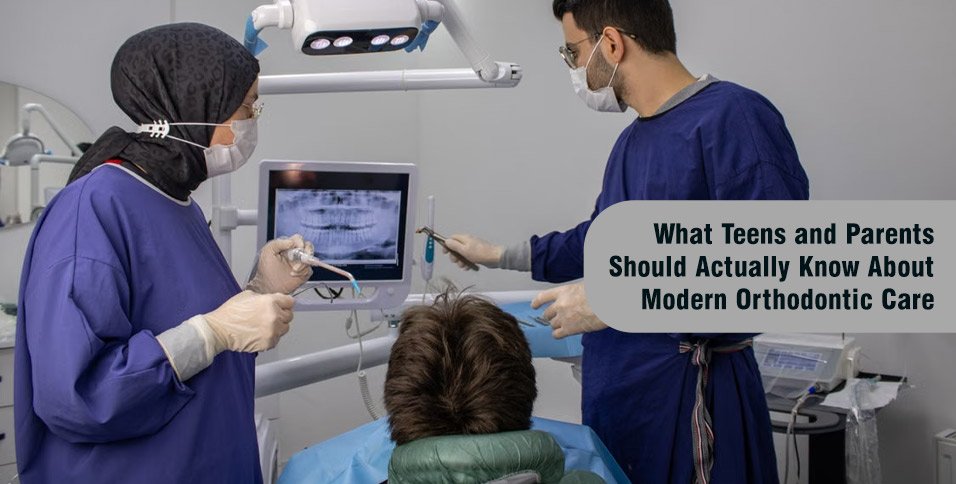
Orthodontic treatment has changed significantly over the years. Today, teenagers and their parents have access to improved diagnostic technology, different treatment options, and more personalized care. For families in Chamblee, balancing school, extracurricular activities, and dental appointments can make treatment planning especially important. Learning about modern orthodontic care can help parents make informed decisions while preparing teenagers for the changes that come with treatment.
Orthodontics Isn’t Only About Straight Teeth Anymore
Many people associate orthodontic treatment with achieving a straighter smile. While appearance is an important consideration, orthodontics also focuses on improving how teeth fit together and function.
Crowded or overlapping teeth can create areas that are difficult to clean, allowing plaque to accumulate. Certain bite problems may also contribute to uneven tooth wear or difficulties with chewing.
Orthodontists examine these concerns before recommending treatment. They assess tooth alignment, jaw development, bite relationships, and the position of emerging teeth.
How Digital Technology Improves Orthodontic Assessments
Modern technology has made orthodontic examinations more detailed and comfortable for many patients. Digital scanning, imaging systems, and treatment-planning software allow orthodontists to examine tooth positions and identify alignment concerns.
Intraoral scanners can create digital models of the teeth without requiring traditional impression materials. These models help orthodontists assess spacing, crowding, and other issues that may influence treatment decisions.
However, technology alone cannot determine the best approach. An accurate diagnosis also requires clinical experience and an understanding of each patient’s dental development.
Choosing an experienced orthodontist can help parents better understand their teenager’s dental needs and available treatment options. If you’re considering consulting an orthodontist Chamblee has several local professionals who specialize in evaluating dental alignment issues and offering personalized dental treatment for teenagers and adults.
Understanding Braces and Transparent Aligners
Modern orthodontic treatment offers several ways to correct tooth alignment. Traditional braces and transparent aligners are among the most commonly discussed options, but they work differently. Braces use brackets and wires to apply controlled pressure that gradually moves teeth into improved positions. They can address many types of alignment problems, including complex bite concerns.
Transparent aligners use a series of custom-made removable trays to guide tooth movement. Their discreet appearance and removability make them appealing to some teenagers.
However, aligners require consistent wear, usually around 20 to 22 hours daily, depending on the orthodontist’s instructions. Removing them too frequently can delay progress.
Braces remain attached to the teeth, although patients must take extra care when eating and cleaning around the brackets. The most suitable option depends on the complexity of the problem, the patient’s oral health, and their ability to follow treatment instructions.
Why the Right Treatment Timing Matters
Many people often assume that orthodontic treatment should begin once all permanent teeth have appeared. However, some alignment and jaw development problems can be identified much earlier.
An early assessment allows orthodontists to monitor jaw growth, tooth eruption, and developing bite problems. Some conditions benefit from early intervention, while others are better treated during adolescence.
For teenagers, treatment timing also involves practical considerations. A well-planned treatment schedule considers both dental development and the teenager’s daily routine, making the process easier to manage.
What to Expect During Everyday Orthodontic Treatment
Orthodontic treatment requires patience and some changes to your daily routine. If you wear braces, you may need to spend extra time cleaning around brackets and wires, avoid certain foods, and use orthodontic wax to manage irritation. Following these instructions can help prevent unnecessary discomfort and damage to your braces.
Transparent aligners require a different approach. Since they are removable, you must wear them consistently for the recommended number of hours each day. Frequently removing them or forgetting to put them back can slow treatment progress.
Good communication with your orthodontist is equally important. You should understand how to care for your appliances, what discomfort is normal, and when to seek professional assistance. Regular appointments also allow your orthodontist to monitor progress and make necessary adjustments.
Why Retainers and Long-Term Care Are Important
Completing active orthodontic treatment is an important milestone, but maintaining the results requires continued attention. After braces or aligners have moved the teeth into their intended positions, retainers help prevent unwanted movement.
Teeth naturally change position over time, even after successful orthodontic treatment. Without proper retainer use, some of the improvements achieved during treatment may be lost.
The orthodontist will recommend a retention schedule based on the patient’s needs. Following these instructions is essential for maintaining results. Teenagers should also continue caring for their teeth through daily cleaning and routine dental examinations.
Parents can encourage these habits by helping their teenagers understand that orthodontic treatment is a long-term commitment rather than a temporary cosmetic change.
Modern orthodontic care offers effective ways to address many alignment and bite concerns. With careful treatment planning, consistent daily habits, and appropriate follow-up care, teenagers can work toward healthier, better-functioning smiles that last well beyond their orthodontic appointment.
How to Achieve Long-Term Orthodontic Results
Successful orthodontic treatment involves more than straightening teeth. It requires careful planning, regular monitoring, and proper care after treatment ends. Your orthodontist should recommend an approach based on your dental condition, bite alignment, oral health, and individual needs to achieve stable, lasting results.
Before beginning treatment, ask about the expected duration, available options, and how the results will be maintained. Understanding these details can help you prepare for the process, develop realistic expectations, and follow your orthodontist’s recommendations throughout treatment.
Once your braces or aligners are removed, wearing retainers as instructed is important because teeth can gradually shift back toward their previous positions. Maintaining good oral hygiene, brushing and flossing regularly, and attending routine dental checkups also help protect your results and prevent future dental problems.
It is also important to report any changes in your bite or retainer fit to your orthodontist. Addressing minor concerns early can help prevent unwanted tooth movement and protect the progress made during treatment. Regular follow-up appointments may also be recommended to monitor the stability of your teeth.
With consistent care, healthy dental habits, and professional guidance, you can maintain a healthier, well-aligned smile for years to come.