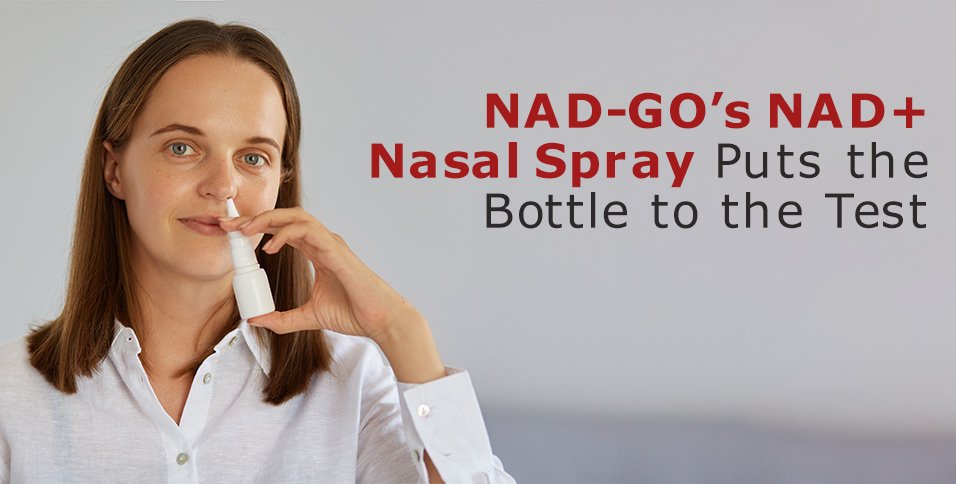
The UK research supplier’s spray format illustrates how a container and its dispensing mechanism can shape the way a laboratory evaluates a liquid formulation.
The first question a lab might ask about a bottle of NAD+ is what it contains. A spray bottle adds a second question. How consistently does it dispense the liquid inside? That distinction is at the heart of the NAD+ nasal spray from NAD-GO, a UK supplier whose research range also includes prefilled pens.
The spray is a liquid formulation supplied in a bottle with a spray actuator. NAD-GO supplies it strictly for laboratory and scientific research. The change in packaging gives researchers a different set of specifications to consider, from the amount of liquid dispensed per actuation to the consistency of that output across the life of the bottle.
What comes out of the bottle?
NAD+ stands for nicotinamide adenine dinucleotide, a coenzyme involved in cellular metabolism. A formulation specification can tell a research team the concentration of NAD+ in the liquid. To work out how much material an individual actuation dispenses, the team would also need to know the volume released by the pump under defined test conditions.
That is where the hardware comes in. The pump draws up the liquid and the nozzle disperses it. Priming, the angle of the bottle and the amount of liquid remaining can all be relevant when designing a dispensing test. A team studying the spray pattern would ask a different question from one measuring the total liquid collected over several actuations. Those measurements describe different characteristics of the same product.
Why the spray and pen have different specifications
NAD-GO’s prefilled research pen holds a liquid formulation in a cartridge and uses a mechanical click dial. The spray uses a pump and nozzle. A buyer comparing the two formats would look at the dispensing increment for the pen and the measured output per actuation for the spray.
Storage is also specific to each formulation and container. A laboratory would need to check the spray’s own storage instructions, including any conditions that apply after opening. NAD-GO’s product page discusses factors such as temperature and formulation composition and says final storage instructions will accompany the product once specifications are confirmed.
The documents that help buyers assess a batch
NAD-GO says it keeps batch-specific quality records and provides certificates of analysis where appropriate. For a research buyer, a certificate can help establish what was tested for the batch in hand. Information about pump performance would come from the corresponding device specifications or dispensing tests.
The distinction matters for distributors, too. NAD-GO offers wholesale and white-label supply, where the product may reach a research buyer under a different brand. A distributor reviewing the spray can ask how the batch identifier, formulation specifications and dispensing information will travel with each shipment.
The bottle is easy to spot in a product catalogue. The more revealing details are in the records behind it. Together, the formulation and dispensing specifications tell a research buyer what is inside the bottle and what they can measure when it comes out.