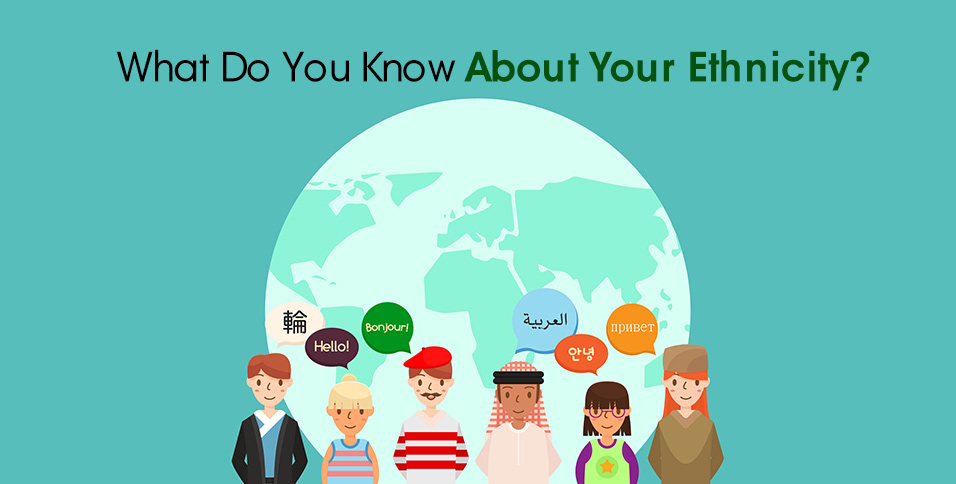
Think about a family event, sitting alongside your grandparents as they share stories. Regrettably, you do not know the language, but it somehow seems familiar. This bittersweet experience could have made you realize that you do not know much about your roots. What comes to mind at these moments is something in us: our ethnicity.
Whereas race indicates physical characteristics, ethnicity is the cultural fabric that binds communities. This fabric is created out of common traditions, languages, and a sense of origin.
This article looks at what ethnicity constitutes and how we discover our ethnic identities. It also answers the question of why self-discovery is an essential aspect of our human lives.
The Ethnicity Building Blocks
Ethnicity is a complex web of human experience made up of numerous threads. Contrary to biological characteristics, it grows from social and cultural practices that are shared over generations.
Shared Culture and Traditions
The heart of ethnicity lives in the customs we keep over time. These cultural expressions appear in many forms. Food holds ancestral recipes. Festivals celebrate historical events or seasons. Music and dance tell stories and share values that might fade away.
The worldview of a people is reflected in literature and oral storytelling. These narratives are a combination of history and moral teachings for the young. Still, even daily traditions offer a glimpse into deeper cultural values. Greeting rituals and family meals create patterns. These shared practices set one group apart and shape our sense of self.
Language and Communication
One of the most important identifiers of ethnicity is language. Our language and accents connect us to our cultural groups. Language is the primary means of conveying cultural knowledge to many ethnic groups. Certain concepts can be found only in particular languages.
Bilinguals express their ethnic belonging by code-switching. They alternate languages depending on the social environment. Although a heritage language may die out through generations, fragments of it remain. In daily communication, there are family names, place names, and borrowed words. Hearing a heritage language can evoke strong feelings of belonging.
The Places Behind Our Stories
Genealogical roots and geographical origins form another crucial dimension of ethnicity. The places our ancestors lived in affect the way we view ourselves. Mountains, rivers, and regions become part of our ethnic stories. They are found in narratives, songs, and collective memory.
Migration practices form diaspora groups that retain connections with their native countries. Such relationships may endure for centuries in their absence. These geographical connections affect agricultural activities and building designs. Family lines inherit stories of migration and origins. Ethnic identity is often closely tied to the land.
Religion and Belief Systems
Ethnicity has much to do with spirituality and religion. They direct our thoughts and actions. Religion strongly shapes many ethnic groups. These beliefs impact daily life, morals, and social order.
Religious holidays are usually ethnic celebrations. They are a blend of faith and culture. Religions unite people and instill values. In art and music, as well as social norms, cultural influences tend to persist. These aspects of culture are likely to remain with individuals even when they lose their religious practices.
The Personal Discovery Journey
Ethnic identity is an individual process, a tapestry of personal threads. It is a product of family history, a creation of geography, and an expression of curiosity.
Self-Identification and Fluidity
Ethnic identity is a personal choice and a social context. In multicultural families, we highlight some of the heritage elements at the expense of others. We can change our identity through learning and building new relationships.
Mixed heritage individuals experience complicated circumstances. They can be caught in between groups or respect several traditions simultaneously. Ethnicity is diverse and continually evolving.
Methods of Exploration
Discovery of ethnic identity is a resource-consuming process. All the methods of discovery provide you with varied insights into your heritage.
Family History
Family stories and oral histories indicate our ethnic identity and traditions. They tell of the migration, working traditions, and struggles of our forefathers. Family origins are also verified by documents like birth certificates and old photos. Such stories help us to know our ethnic background and our family lineage. Listening to elder family members helps to improve intergenerational relations and ethnic identity.
Genetic Testing
DNA testing services provide an opportunity to approximate your roots. They estimate origins by comparing DNA with reference populations. The estimates show genetic similarities to other regions or groups. The consumer genetic testing market value is expected to reach USD 9.57 billion by 2034. So ancestry testing is growing.
A genetic test can be exciting, but results should be interpreted with caution. Ethnicity is an estimate, not an absolute, and can’t capture the cultural sense of identity. The DNA test results make some people feel validated. Others discover shocking family secrets that blow their sense of identity.
Community Engagement
Join cultural associations or be a part of festivals to identify with your ethnicity. This assists you in practicing traditions, learning languages, and encountering other persons of your origin. Traditions are maintained through common events such as meals, art, and celebrations. Online communities allow individuals, even at a distance, to have a connection with their origins.
Benefits of Understanding Your Ethnicity
Ethnic knowledge makes a significant contribution to personal happiness and social unity. This knowledge shapes our perception of the world and ourselves.
Feeling of Connection
Ethnic identity provides us with a sense of belonging and our position in the world. We can have support in hard times through this connection.
When we meet people with whom we have had similar backgrounds, we feel validated. It reduces loneliness. Traditions are normal because cultural communities serve as a form of support. This inclusion is essential for immigrants and minorities. They often encounter cultures that differ from their own.
Building Connection and Understanding
When we know our ethnicity, we are able to value human diversity. As we know about our own culture, we get interested in another culture. This is the awareness that brings together societies in our globalized world. Knowing our own complexity helps us appreciate others and our shared humanity.
Personal Wellness
A strong ethnic identity is linked to positive feelings about oneself. Learning about the past enhances self-worth and resilience against discrimination. It explains the individual characteristics and family dynamics, lessening the confusion of identity.
This self-realization helps people to create steady personal narratives. Pride in our cultures protects us against negative stereotypes. Cultural identity is increasingly recognized in mental health.
Conclusion
Ethnicity is a creation of culture, language, lineage, and beliefs. Our ethnic identity discovery links our past with the present. This exploration is based on our curiosity and situations. We can learn our origins through family narrations, genetic testing, and community engagement. Being aware of our origin tells us who we are today. The acceptance of this knowledge adds value to our lives. It makes us value the diversity that defines humanity.