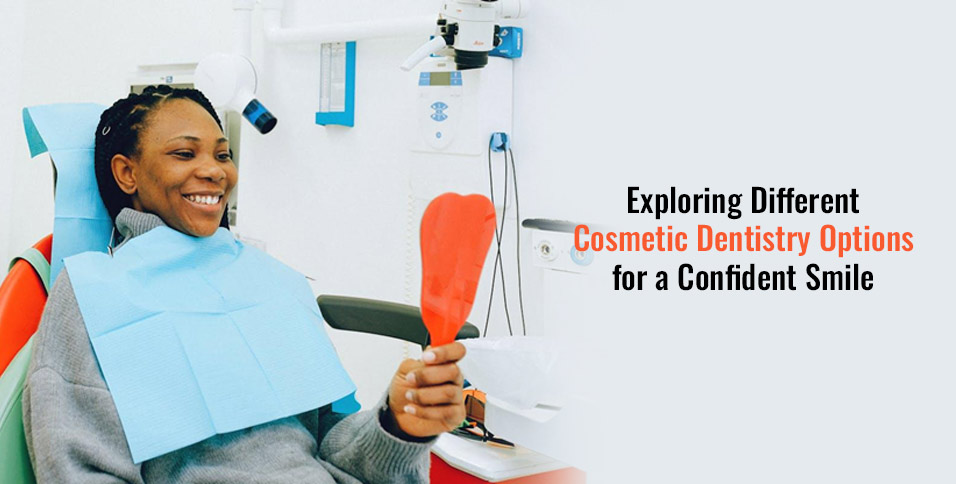
Nearly 96% of adults believe an attractive smile makes someone more appealing, yet a staggering 74% of Americans are dissatisfied with their own smiles according to the American Academy of Cosmetic Dentistry’s 2024 research. What’s driving this confidence gap isn’t just vanity—it’s the profound psychological impact of dental aesthetics on professional success, social interactions, and personal well-being. In today’s image-conscious world, where video calls and social media amplify every smile, the pressure to address dental imperfections has never been higher.
The cosmetic dentistry landscape has responded with remarkable innovation. Digital smile design, biocompatible materials, and minimally invasive techniques have transformed what’s possible in just a few appointments. For individuals researching their options, exploring comprehensive options for cosmetic dental treatment can provide clarity on procedures, benefits, and expected outcomes. Yet many people remain unsure whether they need cosmetic enhancement or restorative treatment, and skeptical about safety and longevity.
Understanding your cosmetic dentistry options isn’t about chasing perfection—it’s about making informed decisions that align with your goals, budget, and oral health needs. Here’s what modern cosmetic dentistry can actually deliver, how it works in practice, and what you need to know to navigate this evolving field confidently.
What Is Cosmetic Dentistry and How Is It Different?
Cosmetic dentistry focuses primarily on improving the appearance of teeth, gums, and bite alignment, though the line between cosmetic and restorative work has blurred significantly in recent years. While general dentistry addresses oral health problems like cavities and gum disease, cosmetic procedures target aesthetic concerns—discoloration, chips, gaps, misalignment, or worn teeth that affect how you look and feel about your smile.
The distinction matters more than you might think. Cosmetic dentistry often involves elective procedures using premium materials and advanced techniques that prioritize visual outcomes alongside function. A general dentist might fix a cavity with a standard filling, while a cosmetic dentist would likely use tooth-colored composite that seamlessly matches your natural enamel.
However, modern cosmetic dentistry isn’t purely about appearance. Many cosmetic procedures actually improve oral function—veneers can protect worn tooth surfaces, crowns can strengthen damaged teeth, and orthodontic treatment can prevent future dental problems. This dual benefit explains why cosmetic dentistry has moved beyond the realm of luxury treatment into essential dental care for many patients.
The field has also become increasingly conservative. Where older cosmetic approaches often required removing significant tooth structure, today’s techniques emphasize preservation. Minimally invasive cosmetic dentistry uses ultra-thin veneers, no-prep options, and biomimetic materials that work with your natural tooth structure rather than replacing it entirely.
How Do Cosmetic Dentistry Procedures Work?
Overview of Common Cosmetic Treatments
Teeth whitening remains the most popular cosmetic dental procedure, addressing the yellowing and staining that naturally occurs from coffee, wine, aging, and certain medications. Professional whitening uses concentrated bleaching agents—typically hydrogen peroxide or carbamide peroxide—applied under controlled conditions. In-office treatments can lighten teeth 3-8 shades in a single session, while take-home systems provide gradual results over 1-2 weeks.
Dental veneers transform smiles by covering the front surface of teeth with ultra-thin shells of porcelain or composite resin. The process involves removing a small amount of tooth enamel (usually 0.5-0.7mm) to accommodate the veneer thickness. Modern digital design allows patients to preview their new smile before any irreversible changes occur. Porcelain veneers can last 15-20 years with proper care, while composite versions offer a more affordable option lasting 5-7 years.
Composite bonding represents the most conservative cosmetic option for minor imperfections. A tooth-colored resin material is sculpted directly onto the tooth, hardened with a special light, then polished to match surrounding teeth. This technique works well for small chips, gaps, or discoloration and can often be completed in a single visit.
Cosmetic crowns cover the entire visible portion of a tooth, addressing more extensive damage or aesthetic concerns. Unlike traditional metal crowns, cosmetic versions use all-ceramic or zirconia materials that mimic natural tooth translucency and color. The process typically requires two visits—one for preparation and impressions, another for placement.
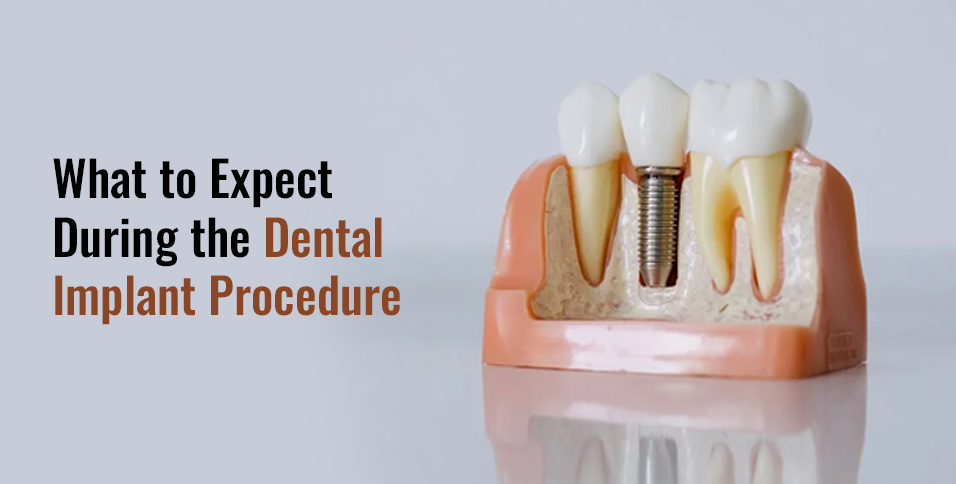
Dental implants have revolutionized the replacement of missing teeth, providing both cosmetic and functional benefits. A titanium post is surgically placed in the jawbone, then topped with a custom crown after 3-6 months of healing. The result looks and feels like a natural tooth, preserving facial structure and preventing bone loss that occurs with traditional bridges or dentures.
Technologies and Materials Used in Cosmetic Dentistry
Digital technology has transformed cosmetic dentistry from an art-based practice into a precision science. Digital smile design (DSD) software analyzes facial proportions, lip dynamics, and tooth relationships to create personalized treatment plans. Patients can see their projected results before treatment begins, reducing uncertainty and improving outcomes.
CEREC technology enables same-day crowns and veneers using CAD/CAM milling. A digital scanner captures precise tooth impressions, computer software designs the restoration, and an in-office milling unit creates the final product from a ceramic block—all within 2-3 hours. This eliminates temporary restorations and multiple appointments while ensuring precise fit.
3D printing has introduced new possibilities for surgical guides, orthodontic appliances, and even temporary restorations. The technology allows for highly customized solutions at reduced costs, particularly beneficial for complex cases requiring multiple procedures.
Modern materials have also advanced dramatically. Lithium disilicate ceramics offer strength approaching that of natural tooth enamel while maintaining excellent aesthetics. Zirconia provides even greater durability for posterior crowns while new formulations improve translucency for front teeth. Bioactive materials actually interact with tooth structure, releasing beneficial ions that can help prevent decay around restorations.
What Are the Advantages and Risks of Cosmetic Dental Treatments?
Benefits for Smile Aesthetics and Oral Health
The psychological impact of cosmetic dentistry extends far beyond vanity. Research published in the *Journal of Prosthetic Dentistry* found that patients who underwent cosmetic dental treatment reported significant improvements in self-confidence, social comfort, and career satisfaction. The “halo effect” of an attractive smile influences how others perceive competence, intelligence, and trustworthiness—measurable advantages in both personal and professional contexts.
From a functional perspective, many cosmetic procedures provide legitimate oral health benefits. Straightening crooked teeth through orthodontics or veneers makes oral hygiene more effective, reducing long-term risks of decay and gum disease. Replacing missing teeth with implants prevents adjacent teeth from shifting and maintains proper bite alignment. Even whitening can motivate better oral hygiene habits as patients work to maintain their investment.
Durability has improved significantly with modern materials and techniques. Well-maintained porcelain veneers can last 15-20 years, while dental implants have success rates exceeding 95% over 10 years. The key lies in proper case selection, skilled execution, and patient compliance with maintenance protocols.
Potential Safety Considerations and Long-Term Effects
Despite impressive success rates, cosmetic dentistry isn’t without risks. Tooth sensitivity represents the most common immediate complication, particularly with whitening treatments and veneer preparation. Most sensitivity resolves within days to weeks, but some patients experience longer-lasting discomfort.
Irreversibility concerns many patients, especially with veneers requiring enamel removal. While modern techniques minimize tooth reduction, any removed enamel cannot regenerate. This makes careful planning and realistic expectations crucial before proceeding with irreversible treatments.
Maintenance requirements often surprise patients. Porcelain restorations can chip or break under excessive force, requiring repair or replacement. Whitening effects fade over time, necessitating touch-up treatments. Dental implants, while highly successful, require excellent oral hygiene and regular professional maintenance to prevent complications.
Cost considerations extend beyond initial treatment. Long-term investment includes potential repairs, replacements, and ongoing maintenance. A comprehensive treatment plan should factor these future expenses into the decision-making process.
Some patients develop unrealistic expectations about results. While modern cosmetic dentistry can achieve dramatic improvements, factors like facial structure, existing oral health, and individual healing responses influence final outcomes. Managing expectations through thorough consultation and digital previewing helps prevent disappointment.
How Does Cosmetic Dentistry Compare to Orthodontics and Restorative Dentistry?
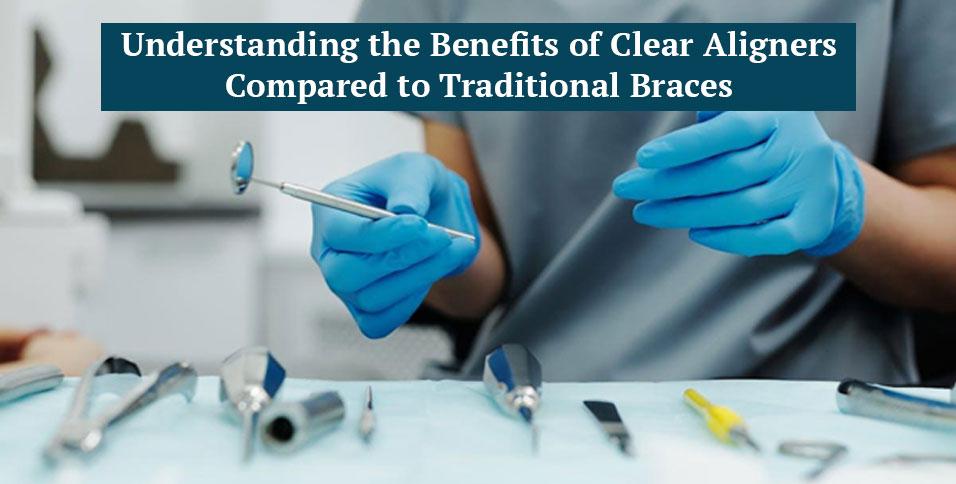
The boundaries between cosmetic, orthodontic, and restorative dentistry have become increasingly fluid as techniques and materials advance. Orthodontics traditionally focused on moving teeth into proper positions using braces or aligners, primarily addressing functional problems like bite issues, crowding, or spacing. However, clear aligner therapy has introduced an aesthetic component that appeals to adults seeking discrete tooth movement.
Restorative dentistry repairs damaged or missing teeth to restore function, often using materials and techniques identical to cosmetic procedures. The distinction often lies in motivation—restorative work addresses necessary treatment for oral health, while cosmetic work targets elective improvements for appearance.
Modern treatment often combines all three approaches. A comprehensive smile makeover might include orthodontics to improve tooth positions, restorative work to address damaged teeth, and cosmetic enhancements like whitening or veneers for optimal aesthetics. This integrated approach typically produces superior results compared to any single treatment modality.
Treatment sequencing becomes critical in complex cases. Orthodontics usually precedes other treatments to establish proper tooth positions. Restorative work follows to address any damage or decay. Cosmetic enhancements complete the transformation. Understanding this progression helps patients make informed decisions about their treatment timeline and investment.
The choice between approaches often depends on the underlying problem. Minor spacing issues might be better addressed with veneers than orthodontics if treatment time is a priority. Conversely, significant crowding or bite problems typically require orthodontic movement before cosmetic enhancement can be effective.
What Role Does Cosmetic Dentistry Play in Psychological Well-being?
The connection between dental aesthetics and mental health runs deeper than most people realize. Social anxiety related to dental appearance affects millions of Americans, influencing everything from job interviews to romantic relationships. A study in the *International Journal of Dentistry* found that individuals with dental aesthetic concerns were significantly more likely to avoid social situations, smile less frequently, and report lower life satisfaction scores.
Professional implications of dental appearance have been documented across multiple industries. Research indicates that individuals with attractive smiles are perceived as more successful, intelligent, and trustworthy during first impressions. In client-facing roles, sales positions, and leadership roles, these perceptions can translate into measurable career advantages.
The psychological transformation following cosmetic dental treatment often exceeds patients’ expectations. Many report feeling more confident in social situations, smiling more freely, and engaging more actively in both personal and professional relationships. This confidence cascade effect can improve multiple life areas simultaneously.
Cultural factors also influence how dental aesthetics affect self-perception. In American culture, straight, white teeth have become strongly associated with success, health, and attractiveness. This cultural standard creates genuine psychological pressure that cosmetic dentistry can help address.
However, it’s important to recognize when dental concerns might reflect deeper self-image issues. Body dysmorphic disorder can manifest as excessive focus on minor dental imperfections that others don’t notice. Ethical practitioners should identify patients who might benefit from counseling alongside or instead of dental treatment.
What Are Common Misconceptions About Cosmetic Dentistry?
One persistent myth suggests that cosmetic dentistry is purely vanity-driven and lacks medical justification. In reality, many cosmetic procedures provide significant functional benefits. Straightening crooked teeth improves bite function and oral hygiene access. Replacing missing teeth prevents adjacent teeth from shifting and maintains proper facial support. Even whitening can motivate better oral hygiene habits as patients invest in their smile’s appearance.
Safety concerns often stem from outdated information about older techniques and materials. Modern cosmetic dentistry uses biocompatible materials extensively tested for safety. Porcelain veneers, ceramic crowns, and titanium implants have decades of clinical research supporting their safety and effectiveness. However, choosing a qualified practitioner remains crucial for optimal outcomes.
The belief that cosmetic dentistry requires extensive tooth removal persists despite advances in conservative techniques. Minimal-prep and no-prep veneers can address many aesthetic concerns while preserving natural tooth structure. Digital planning allows precise treatment that removes only what’s necessary for optimal results.
Some people assume cosmetic dentistry results look artificial or obvious. Quality cosmetic work should blend seamlessly with natural teeth and facial features. The “Hollywood” look represents one aesthetic option, but skilled practitioners can achieve natural-looking improvements that enhance rather than replace your natural smile characteristics.
Cost misconceptions also affect treatment decisions. While cosmetic dentistry requires significant investment, many procedures offer excellent long-term value when properly maintained. Dental implants, for example, can last decades while improving both function and appearance. Comparing costs should include longevity, functional benefits, and psychological improvements, not just initial price.
What Are Future Trends and How Are Treatments Customized?
Emerging Techniques and Industry Innovations
Artificial intelligence is beginning to revolutionize treatment planning and outcome prediction in cosmetic dentistry. AI-powered software can analyze facial features, predict aging effects, and suggest optimal tooth proportions based on thousands of successful cases. This technology promises more predictable results and reduced treatment time.
Bioregenerative techniques represent an emerging frontier that could transform how we approach tooth restoration. Research into stem cell therapy, growth factors, and biomineralization could eventually enable partial tooth regeneration rather than replacement. While still experimental, early studies show promising results for enamel and dentin repair.
Nanotechnology applications in dental materials continue advancing. Nanocomposite resins offer improved strength and polish retention for bonding procedures. Nanostructured surfaces on implants may improve integration and reduce healing times. These developments promise more durable restorations with better aesthetic properties.
The integration of virtual reality and augmented reality into treatment planning allows patients to experience their projected results more realistically. Instead of viewing static images, patients can see how their new smile will look during various facial expressions and lighting conditions.
Minimally invasive techniques continue evolving toward preservation of natural tooth structure. Ultra-thin veneers, adhesive protocols that strengthen teeth, and biomimetic materials that mimic natural tooth properties represent ongoing trends toward conservative treatment approaches.
Tailoring Treatment Plans to Individual Needs
Modern cosmetic dentistry recognizes that optimal results require personalized treatment planning based on individual facial features, lifestyle factors, and aesthetic goals. Digital analysis considers facial proportions, lip dynamics, tooth color variations, and aging patterns to create customized solutions rather than one-size-fits-all approaches.
Phased treatment planning allows patients to achieve their goals gradually, spreading costs over time while maintaining oral health throughout the process. Priority-based sequencing addresses the most impactful improvements first, allowing patients to see dramatic results early in treatment.
Material selection increasingly depends on individual needs rather than universal recommendations. Patients with heavy bite forces might benefit from zirconia crowns, while those prioritizing aesthetics might choose lithium disilicate. Lifestyle factors like teeth grinding, contact sports participation, or stain-causing habits influence material choice and treatment design.
The future of cosmetic dentistry lies in precision medicine approaches that consider genetic factors, individual healing responses, and long-term oral health risks. Salivary testing can identify cavity and gum disease susceptibility, informing treatment planning and maintenance protocols. This personalized approach promises more predictable outcomes and improved long-term satisfaction.
As technology advances and techniques become more refined, cosmetic dentistry continues evolving from reactive treatment of existing problems toward proactive enhancement of natural dental aesthetics. The focus has shifted toward working with natural biology rather than against it, preserving and enhancing what patients already have rather than replacing it entirely. This philosophy promises more conservative, longer-lasting, and naturally beautiful results for future patients seeking to improve their smiles.