“Introverts thrive in reflection, while extroverts thrive in interaction—both are powerful in their own ways.” — Susan Cain
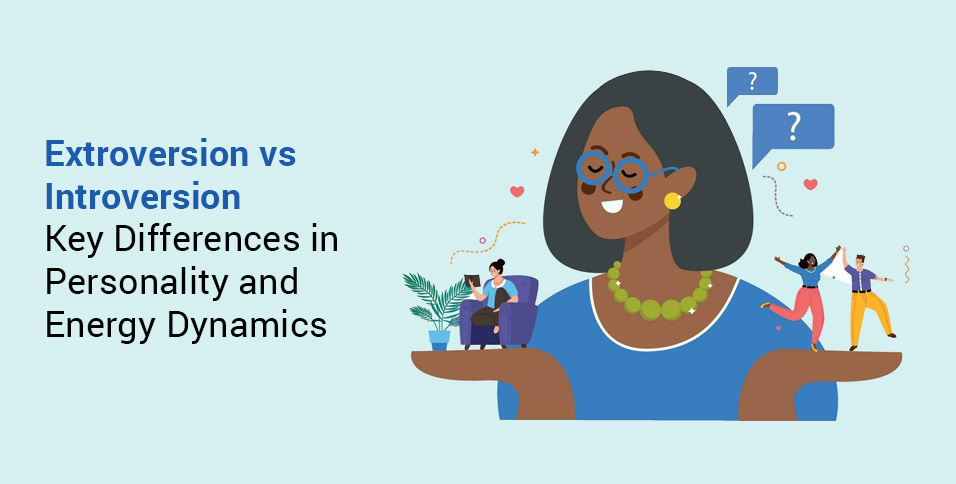
The way people act and react comes from the daily traits they all have. These traits help us handle daily life and feel ready for what comes our way. A well-known idea in looking at people is the extroversion–introversion spectrum. At this point, research tells us that people see that extroverts and introverts feel and act in different ways. They are not the same as how they talk and feel with other people. If you know about this, it can help you grow to have better relationships and do well at work.
What Is Extroversion?
Extroversion is about how much you want to be with other people and the way people react to specific things; it means you like things happening around you and enjoy being with people. If you have a lot of extroversion, you:
- Get energy when you talk with other people
- Do well in busy places that have a lot going on
- People often see you as friendly
Extroverts enjoy spending time with other people because they feel energized when they are in groups and taking part in shared activities. Many extroversion individuals feel happy when their efforts are noticed or appreciated by others.
When making decisions, they often prefer to talk things through with people around them and share their thoughts openly. This process helps them feel connected to others and more confident in their own ideas.
What Is Introversion?
This is about wanting some time alone and not much noise around you. People who feel this way like to think by themselves rather than being around a lot of people. These people:
- Get energy back when you are alone or with one or two people.
- They prefer to have close bonds rather than just having many friends.
Research shows that introverts are often good at listening; they like to plan things before doing them.
Many introverts feel good when they are in places that are calm and do not have much noise. They also feel better when there are not too many things going on around them, as they pick these spots because it helps them think and come up with new ideas on their own.
Key Differences in Personality Expression
Extroversion and introversion are not in a fight with each other. They are just two places on a line; with the big ways, they are not the same:
| Aspect | Extroversion | Introversion |
| Position on the Spectrum | Part of the same personality continuum, leaning toward external engagement | Part of the same personality continuum, leaning toward internal reflection |
| Energy Source | Rejuvenates through social interaction and active, stimulating environments | Recharges through quiet time and personal space |
| Social Interaction | Enjoys large groups and spontaneous interactions | Prefers smaller gatherings, meaningful one-on-one conversations, and planned social time |
| Communication Style | Thinks aloud and processes ideas through discussion | Processes thoughts internally before expressing them clearly and thoughtfully |
| Response to Stimuli | Seeks novelty and external stimulation | Prefers limited stimulation and may feel overwhelmed by noise and crowds |
Practical Implications
Noticing these differences helps people feel closer to each other. It can help teams do better work together.
- In the Workplace: Mix times when people share ideas as a group with time for planning alone. This way, you get the good parts from both ways of thinking.
- In Your Own Life: Know that people need different amounts of time with others and by themselves. This can help you feel less tired or unsure.
- In Learning and Growth: Change how you learn and do things. Use group work for those who like to learn and talk with others. Let some people spend time alone studying. This helps everyone stay interested and remember things better.
Managing Energy and Interaction Styles
Making small, thoughtful adjustments in your daily routine can help you manage your energy better and maintain balance if you tend to be more extroverted. Being around people often feels energizing, but without regular breaks, mental fatigue can build up. Taking short moments of quiet between meetings or social activities helps stabilize energy levels and prevents burnout.
In professional settings, collaborating with others and then allowing yourself brief periods of solitude can improve clarity and decision-making. Slowing down, listening carefully, and giving your thoughts time to settle allows ideas to develop more fully. This balance supports focus and emotional steadiness. By combining social interaction with intentional personal time, you can stay productive, build stronger relationships, and avoid exhaustion while preserving your natural enthusiasm.
Extroversion and quieter tendencies both shape how people interact with others and engage with the world. They influence where individuals feel most confident and how they express ideas. Understanding both styles helps people work together more effectively and appreciate different strengths. Regardless of personality type, strong collaboration recognizes that everyone gains energy differently and participates in their own way.