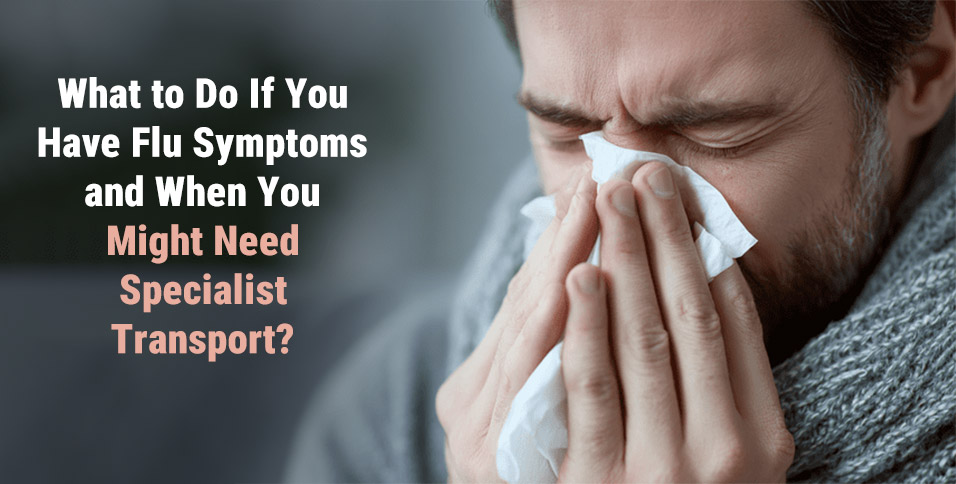
Flu symptoms can come on out of nowhere and leave even the healthiest of people feeling drained, completely wornout, and unable to get through even the simplest of daily tasks. High fever, body aches that feel like they’re going on for ever, a persistent cough that just won’t quit, and being so exhausted you’d rather just curl up and sleep for a week are just a few of the warning signs that things are getting serious and need some attention. Knowing how to pick up on these symptoms early enough – and taking the right steps such as getting plenty of rest, drinking lots of water and getting some advice from a doctor – can make a real difference in how quickly you get over the flu & help stop complications from setting in. For certain people, especially those with existing health issues or a weakened immune system, the flu can start to get really serious, really fast, so getting the right professional care at the right time is absolutely vital.
When things start to get bad – or complications start to creep in – getting to a hospital safely becomes absolutely top priority. That’s where Specialist Ambulance Services come in and do their magic. They offer secure, professional and genuinely caring transport, as well as the equipment to look after patients who might need a bit of extra care or monitoring during the trip. With a team of trained folks, specially-equipped vehicles, and a complete focus on patient safety & comfort, specialist ambulance services make sure people get to the right sort of medical facility as quickly and safely as possible. And that, in turn, means that both patients & their loved ones can feel a lot more at ease.
Understanding Flu Symptoms and Early Actions: How to Recognize Influenza
Flu, or influenza, is a highly contagious respiratory infection caused by influenza viruses. Unlike the common cold, flu symptoms often appear suddenly and can be more severe, making it important to recognize the signs early.
Common Symptoms of Flu
People with the flu may experience a combination of symptoms, including:
- Fever and chills
- Headaches and body aches
- Cough and sore throat
- Fatigue or exhaustion
- Nasal congestion
- Loss of appetite
- Occasionally, nausea or vomiting
It’s important to remember that the flu is caused by viruses, not bacteria, so antibiotics won’t help. The best approach is rest, staying hydrated, and following supportive care measures to allow the body to recover. For a deeper look at how flu outbreaks can impact populations, including recent developments in Europe, check out this report on the flu epidemic in Germany.
Flu vs. Cold: Key Differences, Symptoms, and Early Care Tips
Many people confuse a severe cold with the flu. While both share symptoms like cough and congestion, the flu usually presents with:
- Higher, more intense fever
- Stronger muscle aches
- Sudden onset of symptoms
- Greater overall fatigue
Recognizing the difference is especially important for older adults, pregnant individuals, and those with underlying health conditions, as they are more vulnerable to complications from the flu.
Where to Get Advice About Flu: Guidance from GPs and Health Experts
If you or someone you’re taking care of starts getting a bit under the weather with flu symptoms – and things are only going to get worse if you don’t do something about it pretty quickly – you need to get the right guidance in place ASAP. So the very first person you should be turning to is usually your GP or healthcare provider, who can have a good look at your symptoms and tell you what they are, what you can do to treat them, and whether you need to get any more involved medical help. They can also give you the lowdown on how to manage any complications that may arise and when you might need to head to the emergency room.
On top of talking to a doctor, its also a good idea to have a look at the official public health resources available – a lot of governments run useful websites that have got all sorts of stuff on there – symptom checkers, advice on how to look after yourself at home and guidance on when you really should get on down to the doctors. If you are ever unsure whether your symptoms are worth getting really worried about, or whether you should head to the clinic then the healthcare helplines are also a great place to get a bit of expert advice quickly and easily.
And dont underestimate the importance of being proactive – keeping up with the seasonal flu vaccination information is one of the best ways to keep yourself and others safe from getting really seriously ill. Getting the flu jab before the season even starts not only protects you, but it also helps out all those vulnerable people in the community who are more likely to get into trouble with the flu.
Who Is at Greater Risk of Flu Effects?
Even if you generally feel healthy, certain health conditions and life circumstances can put you at a higher risk of experiencing severe complications from the flu. People with underlying medical conditions should be especially cautious and consider receiving the free seasonal flu vaccine. This includes individuals with:
- Heart conditions, which can make the body less able to cope with fever and infection
- Lung or breathing problems, such as asthma, bronchitis, or COPD, which may worsen with flu infections
- Diabetes or kidney disease, where the immune response can be less effective
- Weakened immune systems, whether due to illness or treatments like chemotherapy
- Liver disease, which can affect overall health and infection response
- A history of stroke or TIA, as flu can increase the risk of further complications
- Neurological conditions, including multiple sclerosis (MS) or cerebral palsy
- Spleen-related issues, which can impair your ability to fight infections
In addition to those with medical conditions, certain groups of people should also consider vaccination because they are at higher risk or may be more exposed to flu viruses. These include:
- Adults aged 65 and over, whose immune systems may be less responsive
- People living in care homes, where infections can spread more easily
- Pregnant individuals, due to increased risk of complications for both mother and baby
- Primary carers for elderly or disabled people, who may pass infections to vulnerable individuals
- Frontline health or social care workers, who are frequently exposed to flu viruses
Getting vaccinated early—before flu season peaks—is crucial. Not only does it protect you from serious illness, but it also helps safeguard the people around you, especially those most vulnerable. Seasonal flu vaccination is a simple yet powerful step in preventing complications and maintaining overall community health.
Actions to Protect Yourself and Others from Flu: Vaccination, Hygiene, and Prevention Tips
Protecting yourself and those around you from the flu doesn’t have to be complicated. Some simple but highly effective actions can significantly reduce the risk of catching or spreading the virus. The most important step is to get vaccinated each year, as the seasonal flu vaccine provides the best protection against severe illness and complications. Alongside vaccination, practicing good hygiene habits is essential. Washing your hands frequently, covering your mouth and nose when coughing or sneezing, safely disposing of tissues, and regularly cleaning commonly touched surfaces all help prevent the virus from spreading. Teaching these habits to children further protects the household and the wider community. By combining vaccination with these everyday precautions, you can greatly reduce your risk of flu while keeping others safe.
Key Actions to Protect Yourself and Others:
- Get the seasonal flu vaccine each year
- Wash hands regularly with soap and water
- Cover your mouth and nose with a tissue or your elbow when coughing or sneezing
- Dispose of used tissues carefully
- Clean frequently touched surfaces such as door handles, phones, and keyboards
- Teach children proper hygiene habits to reduce transmission
When to Seek Urgent Care and How Specialist Ambulance Services Can Help
Most people who have caught the flu don’t need a hospital visit – but there’s times when you need to act fast. If your symptoms start going downhill in a flash, your breathing gets tough, that high fever just won’t budge, dehydration gets severe, or you start getting confused and feel like you’re in a daze – then hospital care is top of the priority list as we speak.
Normally, if you’re in a bad way, you’d call the emergency services. But then there are those situations where things are pretty severe – although not quite life or death right now – and other factors come into play in terms of getting the patient to the hospital safely. In these types of cases, Secure24 have got a service that’s tailored, and safer, than calling for emergency transport.
You see, standard ambulances are all great and whatnot, but when you’re dealing with something a bit more complicated – like mental health issues, a patient acting out, or perhaps something medical that’s just a bit too complicated – a specialist service is just what the doctor ordered. Secure24 have got the right crew for that – they’re well trained to handle it all and ensure the transfer itself is as smooth as possible, cutting the risk of anything going wrong for the patient or the people looking after them.
Meet Secure24 Specialist Ambulance Services
Secure24 have been around for donkey’s years – and what they do is pretty simple – they provide top-notch, patient-focussed transport from home or a facility to the right treatment centre. With years of experience guiding them, Secure24 are all about making sure transport is not only safe but also secure. Their offerings include:
- Plans for getting patients with tricky or high-risk needs from point A to B
- Teams who know what they’re doing & can handle the tough stuff
- 24/7 availability – planned or unplanned, they’ll get you where you need to go
- Keeping the lines of communication open with healthcare teams & facilities throughout
- Thorough risk assessments to ensure the transfer is as safe as it can be
When you choose Secure24’s specialist ambulance services you can rest a bit easier knowing that the people responsible are professionals, genuinely care, and prioritise safety above all else – especially when the flu or other illnesses kick up a gear. In the end, what it all boils down to is having faith that transport will be handled properly, and that you’ll get the care that’s going to sort you out.