Ever thought about switching careers after watching a hospital drama that somehow made the chaos look… appealing? You’re not alone. In a world where layoffs are common and work-from-home burnout is real, healthcare has quietly become the career fallback — and for many, the first choice. In this blog, we will share what working in health actually involves, what paths are opening up, and how to get started without losing your mind.
What’s Changed — and What Hasn’t
Healthcare didn’t stop when the rest of the world did. While gyms closed and office lights stayed off, nurses, paramedics, respiratory therapists, and lab techs were clocking in every day. That constant need doesn’t end when the pandemic fades from headlines. Instead, it’s shifting. Care is expanding beyond hospitals. Mental health is finally being taken seriously. Technology is pushing into diagnosis, patient tracking, and even surgeries. But the core problem remains: there still aren’t enough trained people to keep up with the demand.
The pandemic exposed just how understaffed many systems were. It also revealed how broken some pipelines have become. It’s harder than it should be to become a provider. And yet, more people than ever want to work in health — not just for job security, but to make work feel worth doing. Whether they’re recent grads or mid-career changers, they’re looking for jobs that don’t feel like a waste of time. Healthcare, even at its worst, rarely feels pointless.
That shift has opened doors for new specialties and more flexible programs. One area that’s growing quickly is clinical mental health counseling. This role has become essential as the U.S. faces overlapping mental health crises — among teens, veterans, college students, and even healthcare workers themselves. Counselors work in schools, private clinics, correctional facilities, and telehealth platforms. What makes this field especially accessible is that many programs are built for working adults. You can train while still holding down a job. You’ll need to complete clinical hours, pass licensure requirements, and learn to hold space for other people’s trauma without letting it eat you alive. But the demand is strong, and the work has meaning that goes far beyond a paycheck.
Plus, it reflects a broader trend: more people now view mental health as central, not secondary. The rise of mindfulness apps, therapy-themed memes, and open conversations about burnout have shifted how younger generations think about care. This isn’t fringe work anymore. It’s the work that holds everything else together.
Paths That Don’t Require Med School
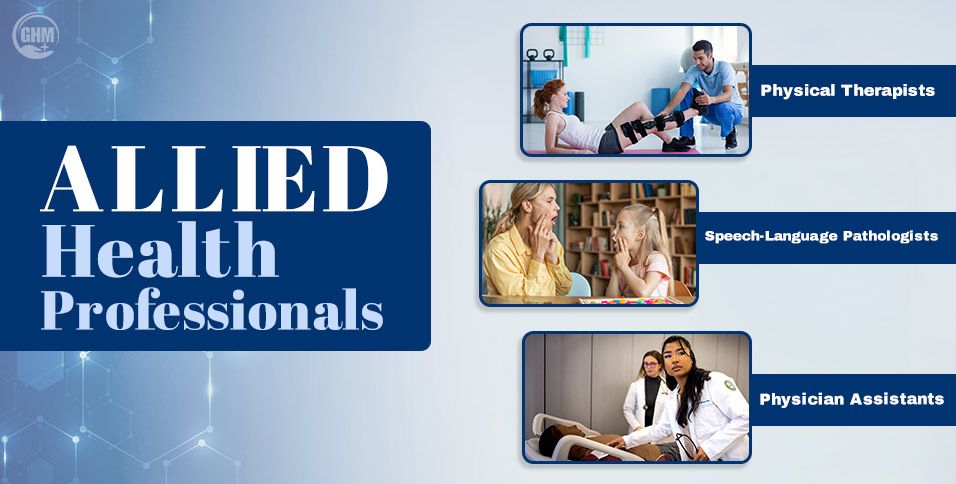
The image of healthcare still leans hard on doctors and surgeons. But truthfully, many of the most critical roles don’t require eight years of school or six figures in debt. Allied health professions — like sonographers, respiratory therapists, occupational therapy assistants, and lab technicians — often require only two to four years of training. They’re highly specialized, in-demand, and less likely to leave you buried in loans.
These jobs aren’t easy. They require technical skill, emotional stability, and the ability to think quickly when the stakes are high. But they offer something rare in today’s labor market: stability and purpose, with a side of real human impact. You’re not sitting in endless Zoom meetings trying to justify your existence. You’re helping someone breathe better, walk again, or understand their diagnosis.
And then there’s public health. Once a sleepy sector, it’s now front and center thanks to COVID, vaccine rollouts, and ongoing struggles with health equity. If you’re more into systems than direct care, this route makes sense. You can work on policy, manage disease tracking, or run education campaigns that actually change behavior. It’s still healthcare — just zoomed out.
Choosing What to Learn — and What to Skip
Education in healthcare is where many people get stuck. There are endless options, conflicting advice, and a sense that one wrong move could derail everything. But here’s the truth: what you study matters less than whether it matches your goals and energy. If you’re someone who thrives under pressure and doesn’t mind unpredictability, emergency services or critical care might be a match. If you value longer-term relationships and stability, primary care or therapy settings may be a better fit.
Look for programs with strong clinical components. Watch out for ones that promise fast results but skip hands-on training. The best learning happens in the messy, real-world moments — not just on multiple-choice tests. Ask people who’ve done the job. See what they wish they knew before starting. And don’t underestimate soft skills. Communication, patience, and knowing when to speak up are just as valuable as technical know-how.
It also helps to think long term. Some careers, like nursing, allow for growth into advanced roles without starting over. Others may be more static. Consider whether you want a clear ladder, or whether you’re fine staying in one role as long as the work stays interesting.
The Reality of Day-to-Day Work
Hollywood doesn’t capture the real pace of healthcare. Most shifts aren’t non-stop emergencies. There’s downtime, paperwork, awkward conversations, and a lot of things that feel routine until they suddenly don’t. One minute you’re checking vitals. The next, you’re in a room with a family getting hard news. That range of experience can be overwhelming at first, but it also keeps things from going stale.
Expect physical exhaustion and emotional wear. You’ll need ways to recover — not just sleep, but decompression that actually works for you. Some people vent. Others exercise. A few lean into weird hobbies that make no sense outside the hospital walls. Find what clears your head and protect it like your license depends on it.
Coworkers will make or break your experience. A good team turns chaos into something manageable. A bad one adds stress that no amount of money can fix. Culture matters. Ask about turnover, leadership, and support. Don’t assume all healthcare jobs feel the same.
Making the Work Sustainable
Longevity in healthcare isn’t just about grit. It’s about strategy. The people who stay the longest aren’t necessarily the toughest. They’re the ones who know how to pace themselves, advocate for what they need, and make peace with what they can’t control.
That might mean saying no to extra shifts. It could mean switching specialties, going back to school, or stepping into leadership. The idea that passion alone will carry you is a lie told by people who want you to burn out quietly. Passion helps, but boundaries matter more.
Professional development is part of survival. Keep learning, even if it’s just one course a year. Stay curious. Follow changes in your field. The healthcare system evolves fast — sometimes too fast — and staying sharp means you don’t get left behind.
We’re living in a strange moment. The country is more aware of health than ever before, but more confused about how to manage it. Trust in institutions is shaky. Misinformation spreads faster than facts. At the same time, demand for care keeps climbing, especially among aging populations, vulnerable communities, and people who just want to feel better and don’t know where to start.