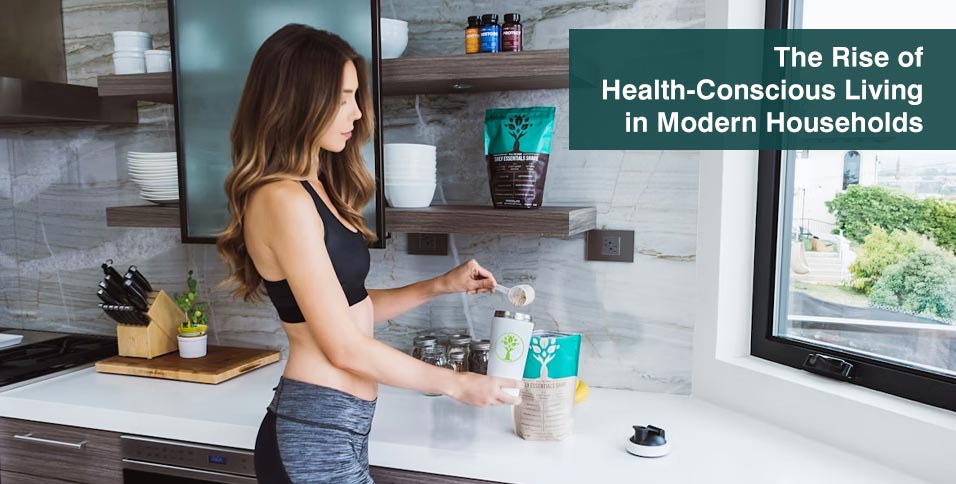
The modern household has undergone a quiet revolution. Walk into homes today, and you’ll notice something different from just a decade ago. Kitchen counters display mason jars filled with organic grains instead of processed snacks. Refrigerators stock fresh produce rather than frozen dinners. Exercise equipment sits in living rooms where television sets once dominated. This shift reflects a broader transformation in how people approach their daily lives, prioritizing wellness over convenience and longevity over instant gratification.
This movement toward health-conscious living didn’t happen overnight. Rising healthcare costs, increased awareness of lifestyle diseases, and greater access to wellness information have collectively pushed families to take preventive measures. People now understand that the choices they make at home directly impact their quality of life years down the road. The conversation has moved beyond simply avoiding illness to actively pursuing vitality and energy.
Nutrition Takes Center Stage in Daily Routines
Perhaps nowhere is this transformation more visible than in how households approach food and nutrition. Meal planning has become a deliberate practice rather than an afterthought. Families gather around kitchen tables to map out weekly menus, considering nutrient density and variety. The grocery shopping experience has evolved, too, with shoppers scrutinizing ingredient labels and questioning artificial additives.
Home cooking has experienced a renaissance. Parents who once relied heavily on takeout now experiment with whole foods and diverse recipes. They understand that controlling what goes into meals means controlling what goes into their bodies. This hands-on approach extends to how families supplement their diets when whole foods alone don’t meet nutritional needs. Many households have turned to trusted sources for additional nutrition support, incorporating food supplements by Melaleuca USA into their wellness routines to bridge dietary gaps without compromising their commitment to quality ingredients.
The breakfast table tells an interesting story about changing priorities. Gone are the sugary cereals and pastries that once defined morning routines. Instead, households start their days with protein-rich eggs, whole grain options, and fresh fruits. Smoothies packed with greens and natural proteins have become staples. These changes reflect an understanding that morning nutrition sets the tone for energy levels and mental clarity throughout the day.
Movement Becomes Non-Negotiable
Physical activity has shifted from optional recreation to essential daily practice. Households now design their spaces and schedules around movement. Families wake earlier to fit in morning workouts before work and school commitments. Evening walks have replaced television time for many. The integration of activity into daily life, rather than treating it as a separate obligation, marks a fundamental change in perspective.
Home fitness has exploded in popularity, driven partly by convenience and partly by a desire to make exercise a family affair. Living rooms transform into workout studios. Garages house weights and yoga mats. Parents model active lifestyles for their children, understanding that habits formed early often last a lifetime. Weekend activities now center around hiking, cycling, and outdoor sports rather than passive entertainment.
This emphasis on movement extends beyond structured exercise. Health-conscious households look for ways to increase daily activity through simple adjustments. They take the stairs instead of elevators. They park farther from store entrances. They stand while working when possible. These micro-movements accumulate throughout the day, contributing significantly to overall fitness and metabolic health. Children grow up viewing physical activity as natural rather than forced, developing positive associations with movement that shape their relationship with fitness into adulthood. The shift has transformed exercise from a chore into an integrated part of identity and daily rhythm.
Mental Wellness Enters the Conversation
The health-conscious household recognizes that physical health alone doesn’t define wellness. Mental and emotional well-being have earned equal billing in family priorities. Stress management techniques that once seemed esoteric now appear in everyday routines. Meditation corners occupy quiet spaces in homes. Families practice breathing exercises together. The stigma around discussing mental health within households has diminished considerably.
Sleep has emerged as a non-negotiable priority. Bedrooms have become sanctuaries designed for rest, free from screens and distractions. Households establish consistent sleep schedules, understanding that quality rest affects everything from immune function to emotional regulation. The recognition that sleep deprivation undermines all other health efforts has led to protective boundaries around bedtime routines.
Digital wellness has also entered the equation. Families now set intentional limits on screen time and create tech-free zones within homes. Dinner tables enforce phone-free policies to encourage genuine connection. These boundaries reflect an understanding that constant digital engagement affects mental health, relationships, and even physical well-being through sedentary behavior and disrupted sleep patterns.
Environmental Health Becomes Personal
Health-conscious households have extended their wellness thinking to their immediate environment. Cleaning products have undergone scrutiny, with families switching to natural alternatives free from harsh chemicals. Air quality matters more, prompting investments in purifiers and houseplants that naturally filter toxins. The connection between environmental toxins and personal health has become impossible to ignore.
Water quality receives careful attention. Filtration systems have become common household fixtures. Families question what comes through their taps and take steps to ensure clean drinking water. This vigilance extends to personal care products, with households choosing items free from questionable ingredients that absorb through the skin.
The choices extend outdoors, too. Households increasingly opt for organic lawn care, avoiding pesticides that might affect children and pets. Gardens grow chemical-free produce. These decisions reflect a holistic view of health that considers how environmental factors within one’s control contribute to overall well-being.
The transformation of modern households toward health-conscious living represents more than a trend. It signals a fundamental reimagining of priorities and values. Families have decided that wellness deserves the same attention and resources once reserved for entertainment and material possessions. This shift creates ripple effects that extend beyond individual homes, influencing communities and even broader cultural norms. As more households embrace this approach, they demonstrate that investing in health today pays dividends in vitality, energy, and quality of life for years to come. The changes happening in homes right now are quietly reshaping what it means to live well in the modern world.