Healthcare’s transformation is no longer gradual. A shock. New technology makes remote work necessary, and legacy models are creaky. Clinics and hospitals, formerly limited to face-to-face care, now deliver clinical expertise anywhere with broadband. The pandemic only created new opportunities. Specialists glide between exam rooms and private offices. Changes aren’t about convenience. They focus on survival, developing systems that can manage shocks, patient surges, and staffing shortfalls. The obvious question: What next? Anyone who believes that increasing telemedicine is the solution overlooks a significant portion of the situation.
Beyond Screen Consults: New Avenues for Clinicians
Usually, the conversation begins with video calls, treating telehealth as the sole focus, but this is just the beginning. Think about a physician recruiter grappling with unfilled positions in rural America or overburdened city hospitals. The old hiring map no longer applies. Medical directors bring on doctors who might never cross state lines, yet shape treatment protocols through digital tools or virtual care teams. Hybrid roles emerge where clinicians split time between physical locations and data-driven monitoring centers (and occasionally their living rooms). Some manage remote patient monitoring devices or coordinate population health initiatives remotely, extending expertise across time zones rather than hospital walls.
Administrative Medicine Gets a Facelift
No one likes paperwork, yet disregarding it can have major implications. Transformation is underway. The days of claims analysts searching through materials in back offices are long gone. They analyze digital documents anywhere via Wi-Fi. In the morning, billing specialists log in from their homes, and compliance officials conduct audits from their kitchens. HR experts are adapting onboarding processes for hybrid teams across various cities and states, no longer adopting a uniform approach. This realignment increases task flexibility, reduces process bottlenecks, accelerates turnaround, and improves decision-making.
Tech Roles Take Center Stage
Information technology is no longer secondary—it’s the frontline driver of quality care and operational sanity. Despite being on opposite coasts, software engineers deliver seamless EHR connectivity that clinicians quickly trust. Whether from coffee shops or suburban basements, cybersecurity experts protect medical data 24/7. The attack surface grows with remote access, but so does vigilance. Even IT support is hybrid. Instead of running down corridors with toolkits, troubleshooters use screen sharing to resolve issues remotely.
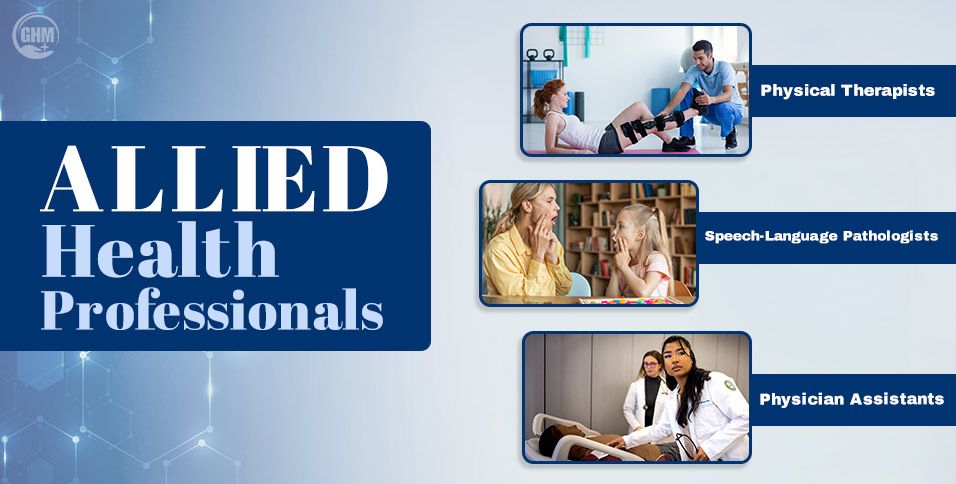
Expanding Paths for Allied Health Professionals
Physical therapists use wearable sensors to coach healing. They already do it, and patients email progress recordings instead of coming downtown three times a week to touch their toes under supervision. Dietitians and mental health counselors collaborate online with interdisciplinary teams, sometimes meeting patients virtually rather than requiring interdepartmental or clinic hall passes. Respiratory therapists remotely monitor ventilator settings overnight to reduce alerts during flu season. These are now routine pilots with measurable results.
Conclusion
Hybrid healthcare jobs are multiplying because they address challenges that tech alone can’t solve: workforce shortages, burnout risks, and uneven access for vulnerable communities. Not every solution fits inside a video chat window, after all. Patients benefit when expertise becomes borderless. Providers stay engaged when monotony gives way to meaningful variety. Organizations survive when adaptability isn’t negotiable but expected practice. Amid this flux, one thing stands out most clearly: expecting these new roles to retreat would be a major strategic blunder.