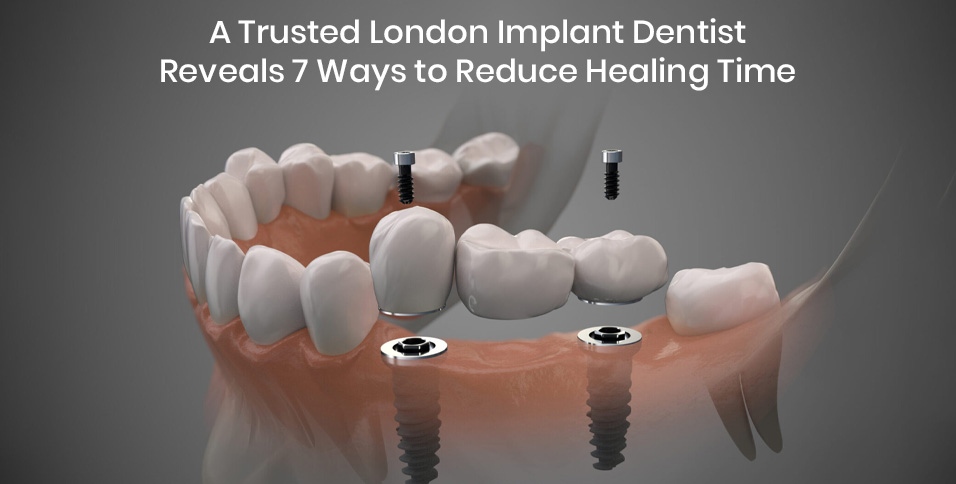
Dental implants are now a routine solution for missing teeth, yet healing time remains a primary concern for many patients. The biological process behind implant healing is known as osseointegration. During this stage, the titanium implant fuses with the jawbone, forming a stable foundation for a crown. For most healthy adults, this process takes between three and six months. However, healing speed varies depending on bone density, general health, surgical precision, and patient compliance with post-operative advice.
The lead dentist from Marylebone Smile Clinic advises that patients should view healing as a partnership between clinician and individual. In his experience, those who follow structured aftercare guidance, maintain excellent oral hygiene, and attend scheduled reviews tend to recover more smoothly and with fewer complications. He emphasises that preparation before surgery is just as important as the procedure itself, particularly in busy urban environments where stress and lifestyle factors can interfere with recovery.
Anyone thinking about getting a dental implant, which is something that many Londoners do, should be aware that recuperation durations have been greatly reduced to 10 years ago thanks to current procedures. Digital planning, minimally invasive surgery, and improved implant surfaces all contribute to more predictable outcomes.
Reducing healing time is therefore not about rushing biology but about creating the ideal conditions for the body to repair efficiently. The following seven evidence-based approaches reflect what experienced implant dentists in London consistently recommend to their patients.
Preparing the Body Before Surgery
One of the most overlooked factors in implant recovery is pre-surgical health optimisation. Healing begins long before the implant is placed. Dentists routinely assess bone quality and gum health, but systemic factors such as blood sugar control, vitamin levels, and smoking habits also play a crucial role.
Smoking is one of the most significant risk factors for delayed healing. Nicotine restricts blood flow, reducing oxygen delivery to the surgical site. Patients who stop smoking at least two weeks before surgery and avoid it during the healing phase dramatically improve their chances of faster osseointegration. Even temporary cessation can make a measurable difference.
Nutrition is equally important. Adequate protein intake supports tissue repair, while vitamins D and C contribute to bone and collagen formation. London professionals with demanding schedules may rely on convenience foods, but prioritising balanced meals in the weeks leading up to surgery can support immune function and reduce inflammation.
Stress management is another preparatory step often underestimated. Chronic stress increases cortisol levels, which may impair immune response. Simple measures such as structured sleep routines, moderate exercise, and limiting alcohol intake can enhance the body’s capacity to recover. Implant dentists frequently observe that well-rested patients with stable health profiles experience fewer post-operative complications.
Pre-surgical hygiene appointments also contribute to reduced healing time. Treating gum inflammation or plaque build-up before implant placement lowers bacterial load in the mouth, creating a cleaner environment for recovery. By entering surgery in optimal condition, patients effectively shorten the road to full function.
Choosing Advanced Surgical Techniques
Technological progress has transformed implant dentistry across London. Modern digital workflows allow clinicians to plan implant placement with remarkable precision, reducing trauma to surrounding tissues. Less invasive surgery typically means reduced swelling, minimal bleeding, and faster initial recovery.
Computer-guided implant placement is one example. Using 3D scans, dentists can determine the ideal angle and depth before the procedure begins. This accuracy reduces unnecessary manipulation of bone and soft tissue. In many cases, smaller incisions can be used, preserving blood supply and encouraging quicker healing.
Implant surface technology also plays a part. Contemporary implants are designed with micro-textured surfaces that promote faster bone attachment. These surfaces increase the contact area between implant and bone, encouraging stable integration in a shorter timeframe compared with older designs.
Immediate implant placement, where an implant is inserted soon after tooth extraction, may also shorten overall treatment time for suitable candidates. By reducing the number of surgical stages, total recovery duration can be decreased, though careful case selection is essential. Not every patient is appropriate for this approach, and thorough assessment remains critical.
Patients researching options for dental implant London clinics provide should enquire about digital planning, imaging technology, and minimally invasive protocols. While surgical skill remains central, the right technology can meaningfully influence healing speed and overall comfort during recovery.
Managing the First Two Weeks After Surgery
The first fortnight following implant placement is decisive. During this period, soft tissues begin to close around the implant and the initial inflammatory response subsides. Proper management at this stage can significantly influence long-term healing.
Swelling control is one of the simplest yet most effective measures. Applying cold compresses during the first 24 hours reduces inflammation and discomfort. Keeping the head elevated during sleep also limits fluid accumulation around the surgical site. These small adjustments can shorten the visible recovery period.
Medication adherence is equally important. Dentists may prescribe antibiotics or anti-inflammatory drugs to reduce infection risk and manage discomfort. Skipping doses or stopping medication prematurely can compromise early healing and extend recovery time.
Dietary choices matter more than many realise. Soft, nutrient-dense foods minimise mechanical stress on the implant area while providing the building blocks for tissue repair. Patients should avoid very hot foods and drinks during the first days, as heat can exacerbate swelling.
Meticulous but gentle oral hygiene is critical. While vigorous brushing near the surgical site should be avoided, keeping the rest of the mouth clean reduces bacterial exposure. Antimicrobial mouth rinses may be recommended temporarily to support wound healing.
London’s pace of life can tempt individuals to return immediately to normal routines. However, limiting strenuous physical activity for several days reduces the risk of bleeding and inflammation. Those who respect this short recovery window often find that overall healing progresses more rapidly.
Supporting Long-Term Osseointegration
After the initial two weeks, attention shifts to the deeper process of bone integration. Although discomfort typically subsides, the implant is still stabilising beneath the surface. Supporting this phase requires patience and consistency.
Regular follow-up appointments allow the dentist to monitor integration and detect early signs of complication. Radiographs may be taken to confirm that bone levels remain stable. Prompt identification of minor issues prevents delays later in the treatment process.
Maintaining stable oral hygiene habits is essential. Plaque accumulation around implants can lead to peri-implant inflammation, which may compromise integration. Patients should use appropriate interdental cleaning aids as advised by their clinician, ensuring that bacteria do not undermine healing.
Systemic health continues to influence outcomes during this stage. Individuals with diabetes should maintain strict glycaemic control, as elevated blood sugar can slow bone regeneration. Similarly, reducing alcohol intake supports immune function and tissue repair.
It is also important to avoid excessive pressure on the implant while healing continues. If a temporary restoration is fitted, patients must follow guidance regarding chewing forces. Overloading an implant too early can interfere with stable integration and potentially prolong treatment.
For many London patients, work-related stress or travel commitments resume during this phase. Planning ahead, attending scheduled reviews, and maintaining consistent routines help ensure that osseointegration proceeds without interruption. Healing may be gradual, but disciplined care supports a stable and lasting result.
The Role of Maintenance and Lifestyle in Faster Recovery
Healing does not end once the final crown is fitted. Long-term success depends on maintenance, and good habits established during recovery often determine how well the implant performs over time. Patients who adopt structured oral care routines early tend to experience fewer complications and shorter treatment journeys overall.
Professional hygiene appointments are central to maintenance. Regular cleaning reduces the risk of peri-implant disease, a condition that can compromise bone support. Early detection of inflammation allows for swift intervention, preventing setbacks that could otherwise extend recovery.
Lifestyle factors continue to exert influence. Smoking cessation remains beneficial even after integration is complete, as it protects gum health and supports stable bone levels. Balanced nutrition and adequate hydration sustain oral tissues and reduce the likelihood of infection.
Awareness is another critical element. Patients should monitor for signs such as persistent bleeding, unusual mobility, or discomfort around the implant site. Prompt reporting of concerns enables early management, often avoiding more extensive treatment later.
For those considering a dental implant London residents commonly choose for its reliability and longevity, understanding that healing is a process rather than a single event can reshape expectations. While modern dentistry offers advanced tools and refined techniques, individual commitment remains decisive.
Reducing healing time ultimately involves coordinated preparation, precise surgery, disciplined aftercare, and ongoing maintenance. When these elements align, recovery becomes smoother, complications are minimised, and patients can return to normal function with confidence. In a city where efficiency matters, informed choices and professional guidance ensure that implant treatment proceeds as predictably and swiftly as possible.