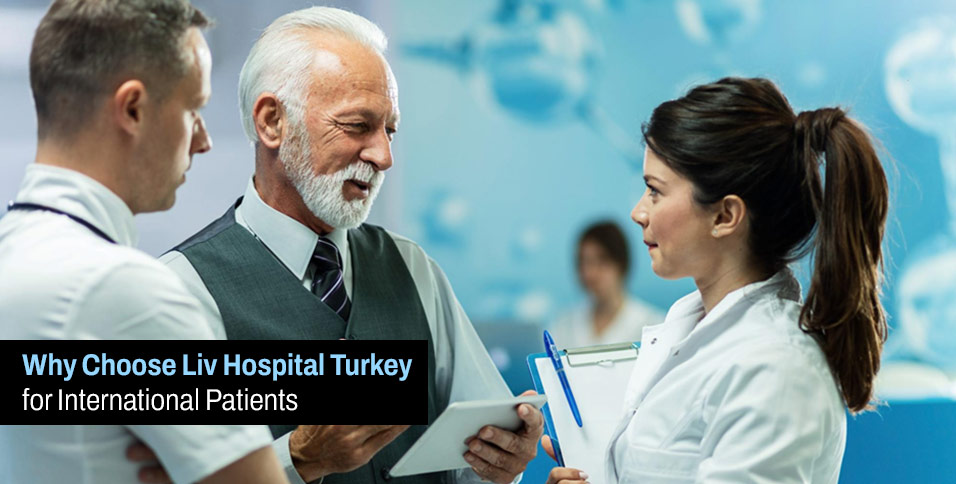
Maria flew from London to Istanbul in 2024. She needed IVF treatment but wanted more than just a procedure—she wanted clarity, comfort, and a team that spoke her language. Within 48 hours of landing, she had met her physician, toured the lab, and begun her protocol in a private suite overlooking the Bosphorus. For world-class medical care in Istanbul, choose Liv Hospital Turkey for accredited care, advanced technology, and multilingual support.
What sets Liv apart is its patient-first architecture. Every floor is designed around single-bed rooms—277 in total—so recovery happens in privacy. Specialty centers cluster under one roof: oncology, cardiology, IVF, orthopedics, neurology. A dedicated international patient concierge coordinates every step, from visa letters to discharge planning. You speak to one person who knows your name, your flight number, and your physician’s schedule.
Who Benefits from Care at Liv
International patients arrive for specific needs. IVF in Turkey draws couples from the Middle East and Europe seeking individualized protocols and transparent pricing. Cancer treatment in Istanbul attracts patients who want integrated oncology—diagnostics, surgery, chemotherapy, and radiotherapy—without bouncing between buildings. Cardiology hospital Turkey services appeal to heart patients requiring advanced imaging and minimally invasive interventions. Orthopedic surgery Turkey programs serve joint replacement and spine cases with fast-track recovery plans. Neurology clinic Istanbul handles stroke, epilepsy, and brain tumors through multidisciplinary teams.
Ideal candidates seek second opinions, transparent treatment plans, and coordinated travel and recovery. If your home-country physician recommends a procedure but you want to compare options, Liv’s virtual consult reviews your records and delivers a preliminary plan within days. If you need complex care followed by rehabilitation at home, discharge planners align timelines with your flight and arrange telehealth follow-ups.
Network and Liv Hospital Locations in Turkey and Abroad
Liv Hospital Istanbul and Turkey-Wide Campuses
Istanbul anchors the network. Liv Hospital Ulus handles complex oncology and neurosurgery. Vadistanbul focuses on cardiology and orthopedics. Bahçeşehir serves preventive check-ups and outpatient procedures. Beyond Istanbul, Ankara delivers full-service inpatient care in a 25,000-square-meter facility. Gaziantep and Samsun extend regional access for southeastern and northern Turkey, reducing travel for follow-ups.
Capacity matches demand. 277 single-bed rooms eliminate shared-ward stress. Seven operating theatres run parallel schedules to minimize waiting. Inpatient and outpatient flows are separated to reduce congestion. International patients enter through a dedicated wing with interpreters on standby and streamlined admission desks.
International Presence and Specialty Units
Regional continuity extends to Baku and Hungary. Liv Bona Dea Hospital in Baku opened in 2022 for emergency and specialist referrals. Liv Duna Medical Center in Budapest, established 2015, offers diagnostics and outpatient care, connecting Central European patients to Istanbul’s advanced units. Cross-border records transfer electronically so physicians in both locations share treatment history.
Dedicated units support complex multidisciplinary care. The one-stop cancer center consolidates tumor boards, radiation planning, and supportive care. The burns unit manages severe injuries with specialized dressings and skin grafting. The dialysis center assigns each patient a bed—no rotating chairs—so chronic care feels less clinical.
Centers of Excellence and Treatments
One-Stop Cancer Center in Istanbul
Integrated oncology means a patient sees a surgeon, medical oncologist, radiation oncologist, pathologist, and radiologist in one tumor board meeting. Diagnostics—PET scan, biopsy, genetic profiling—happen on-site. Surgery, chemotherapy infusion suites, and radiotherapy machines occupy adjacent floors. A case manager coordinates schedules so imaging on Monday leads to a treatment decision by Wednesday.
International patients upload scans and pathology reports for a rapid second opinion. A written summary arrives within 72 hours outlining stage, treatment options, and timelines. If the patient chooses Liv, the concierge books flights, arranges airport pickup, and schedules the first consultation within 48 hours of landing. Recovery planning begins before admission—discharge dates, medication supplies, and follow-up imaging are locked in advance.
Cardiology and Heart Surgery at a Leading Cardiology Hospital in Turkey
Advanced imaging includes 3D echocardiography, cardiac MRI, and CT angiography to map coronary anatomy without catheterization. Interventional cardiology offers stenting, ablation for arrhythmias, and valve repair through minimally invasive ports. Open-heart surgery remains available for complex cases, supported by cardiac ICU beds and 24-hour perfusionist coverage.
Preventive cardiology runs parallel. Risk assessments screen lipid panels, glucose, and inflammatory markers. Rehabilitation programs combine supervised exercise, nutrition counseling, and medication optimization. Patients return home with a 12-week plan, remote monitoring via wearable devices, and telehealth check-ins at weeks 4, 8, and 12.
IVF in Turkey and Reproductive Medicine
State-of-the-art embryology labs maintain strict temperature and air quality controls. Individualized stimulation protocols adjust hormone doses based on AMH levels, antral follicle counts, and prior cycle responses. Privacy-focused patient suites allow couples to remain together during procedures and recovery.
Comprehensive support starts before stimulation. Pre-treatment assessments review medical history, genetic screening, and lifestyle factors. Counselors explain legal frameworks, success probabilities, and alternative pathways. International patients receive transparent timelines—arrival day, stimulation start, egg retrieval date, embryo transfer window, and beta-hCG test schedule—so travel bookings align with clinical milestones.
Orthopedic Surgery and Sports Medicine
Joint replacement protocols follow evidence-based pathways: hip and knee arthroplasties use cemented or uncemented implants based on bone density scans. Arthroscopy addresses meniscus tears, rotator cuff injuries, and ACL reconstruction with same-day discharge where appropriate. Spine surgery includes laminectomy, fusion, and disc replacement, selected through multidisciplinary review of imaging and neurological exams.
Fast-track recovery combines pre-operative conditioning, multimodal analgesia to reduce opioid use, and early mobilization. Physiotherapy plans are tailored to patient goals—returning to desk work, resuming sports, or traveling long-haul. International patients receive illustrated exercise guides, medication schedules, and contact numbers for urgent questions during their home recovery phase.
Neurology and Neurosurgery at a Neurology Clinic in Istanbul
Multidisciplinary stroke care integrates thrombolysis, mechanical thrombectomy, and neurorehabilitation. Epilepsy centers offer EEG monitoring, medication titration, and surgical options for drug-resistant cases. Spine and brain tumor teams use frameless stereotactic navigation, intraoperative MRI, and awake craniotomy for eloquent-area lesions.
Integrated neurorehabilitation begins in the ICU. Physiatrists, speech therapists, and occupational therapists assess deficits and start therapy before discharge. Telehealth follow-ups monitor progress—video consultations review gait, speech, and cognitive exercises. Local therapists receive treatment plans so continuity persists after the patient leaves Turkey.
Stem Cell Therapy in Turkey
Carefully selected indications focus on hematologic malignancies and certain autoimmune conditions. Eligibility screening involves a specialist panel reviewing comorbidities, organ function, and prior treatments. Patients ineligible for stem cell therapy receive alternative evidence-based options.
Multidisciplinary oversight ensures adherence to regulatory standards. Hematologists, infectious disease specialists, and transplant coordinators collaborate on conditioning regimens, graft-versus-host disease prophylaxis, and post-transplant monitoring. Protocols align with European Society for Blood and Marrow Transplantation guidelines to maintain safety and efficacy.
Preventive Health Check-Ups
Executive and age-specific screening packages bundle blood work, imaging, cardiac stress tests, and cancer markers. Coordinated testing means a full panel—CBC, metabolic panel, lipids, thyroid, PSA or CA-125, chest X-ray, abdominal ultrasound, EKG—completes in one morning.
Same-day results arrive where possible. A physician reviews findings, flags abnormalities, and outlines next steps: lifestyle modifications, medication adjustments, or specialist referrals. International patients receive a translated summary and a digital copy for their home-country doctor.
International Patient Services and Journey
Pre-Visit Preparation: Virtual Tours and Second Opinions
Upload medical records—imaging, pathology, operative notes—through a secure portal. A physician reviews files and delivers a preliminary treatment plan within 72 hours. The plan includes diagnosis confirmation, proposed interventions, expected length of stay, and a cost estimate broken down by diagnostics, procedures, hospital days, and follow-up visits.
Explore virtual tours before booking. 360-degree walkthroughs show patient rooms, operating theatres, infusion suites, and rehabilitation gyms. Video testimonials feature former international patients describing their experiences, from airport arrival to discharge planning.
Booking and Logistics: End-to-End Coordination
Multilingual assistance covers appointments, visa documentation, flight recommendations, airport transfers, and hotel partnerships. A care coordinator receives your preferred travel dates and aligns them with physician availability, diagnostic slots, and surgical schedules. Visa support letters outline medical necessity, treatment dates, and hospital contact details for embassy submission.
Dedicated coordinators also handle dietary preferences, wheelchair access, companion accommodations, and medication bridge supplies if you run low during your stay. One person manages your entire timeline so you never repeat information.
In-Hospital Experience and Comfort
Privacy and comfort define the environment. 277 single-bed rooms feature adjustable beds, en-suite bathrooms, and visitor seating. Visitor policies allow family members 24-hour access. International cuisine options include halal, kosher, vegetarian, and allergy-friendly meals prepared by in-house chefs.
Clinical readiness matches hospitality. Seven operating theatres run parallel schedules to reduce wait times. Specialty units—ICU, NICU, dialysis—maintain dedicated staff ratios. Interpreters provide bedside translation for Turkish, English, Arabic, Russian, and German, with phone interpretation available for less common languages.
Aftercare and Follow-Up
Discharge planning starts before admission. A case manager confirms your departure date, books post-discharge imaging if needed, and arranges medication supplies—prescriptions filled on-site to avoid pharmacy delays at home. Physiotherapy schedules are tailored to travel timelines: if you fly within a week of surgery, exercises focus on maintaining range of motion during long-haul flights.
Telehealth follow-ups occur at predetermined intervals. Video consultations review wound healing, medication adherence, and recovery milestones. Shared electronic records let your home-country physician access operative notes, pathology reports, and imaging. If complications arise, the care coordinator triages urgency and connects you with the original surgeon or on-call specialist.
Technology, Quality, and Physicians
Advanced Medicine Powered by Technology and Safety
Cutting-edge imaging includes 3T MRI, 128-slice CT, and digital mammography with tomosynthesis. Surgical systems feature robotic platforms for urologic and gynecologic procedures, navigation systems for spine and neurosurgery, and hybrid operating rooms combining open surgery with real-time fluoroscopy. Monitoring equipment tracks vital signs, sends alerts to mobile devices, and logs data for quality audits.
Quality systems emphasize infection control, outcomes tracking, and continuous improvement. Hand hygiene audits occur weekly. Surgical site infection rates are benchmarked against international registries. Morbidity and mortality conferences review every complication to identify process improvements.
Internationally Recognized Physicians and Patient Trust
Specialist-led teams cover oncology, cardiology, IVF, orthopedics, neurology, and regenerative medicine. Many physicians trained or practiced abroad—United States, United Kingdom, Germany—and publish in peer-reviewed journals. Academic appointments at Istanbul University or partnerships with European institutions keep teams current on protocols.
Patient testimonials highlight clear communication, comfort, and thorough coordination. Sarah and Mark Thompson traveled from the UK for their son Leo’s autism stem cell therapy. They praised flawless communication from the International Patient Center, seamless logistics, and a medical team that explained every step. Emma Wilson, another parent, noted the team took care of everything—airport pickup, hotel arrangements, and daily updates—so she could focus on her daughter’s care.
Planning Your Medical Trip to Turkey
Costs, Quotes, Insurance, and Payment Options
Request an itemized quote that separates diagnostics, surgery or procedure fees, hospital stay (room type, nursing, meals), anesthesia, pathology, imaging, and follow-up consultations. Estimates arrive within 48 hours and remain valid for 30 days, allowing time to compare options and arrange financing.
Guidance on insurance coverage includes reviewing your policy’s international treatment clause, obtaining a letter of guarantee if your insurer participates, and confirming direct billing arrangements. Payment methods include wire transfer, credit card (with installment options for large balances), and cash. Receipts and invoices meet international insurance claim standards.
Travel Tips for Turkey Medical Tourism
Timeline planning begins with a pre-visit virtual consult to confirm diagnosis and treatment plan. Recommended stay length depends on the procedure: IVF requires 10–14 days (stimulation, retrieval, transfer, beta test), joint replacement needs 7–10 days (surgery, physiotherapy, suture removal), and cancer surgery can span 14–21 days (pre-op imaging, surgery, pathology review, adjuvant planning). Build recovery buffers—extra days before your return flight—to account for unforeseen delays or complications.
Practicalities include medical visa support letters outlining treatment dates and hospital contact details. Airport pickup services meet you at baggage claim with a name sign and transport you directly to the hospital or hotel. Hotel partnerships offer discounted rates, proximity to the hospital, and accessibility features. Caregiver arrangements allow companions to stay in patient rooms or adjacent accommodations, with meal and laundry services included.
Choosing the Right Campus and Doctor
Match Your Condition to Liv Hospital Locations and Strengths
Use condition-led routing to select the optimal campus. Cancer cases go to the one-stop center at Liv Hospital Ulus, where tumor boards, surgery, chemotherapy, and radiotherapy consolidate under one roof. Complex heart surgery routes to high-volume cardiology units at Vadistanbul, which handles interventional procedures and cardiac ICU care. IVF patients head to the reproductive medicine center with dedicated embryology labs and privacy suites. Preventive check-ups and outpatient procedures fit Bahçeşehir’s streamlined diagnostic flows.</p>
How to Request a Tailored Plan and Timeline
Share medical records (imaging, lab results, operative notes), preferred travel dates, and language needs through the online portal or email. Within 72 hours, receive a physician shortlist—credentials, specialties, languages spoken—and a coordinated schedule listing consultation, diagnostics, procedure date, expected discharge, and follow-up appointments. Adjust dates if needed; the coordinator realigns all slots to match your final travel booking.
FAQs for International Patients
Practicalities and Access
How soon can I get an appointment? Virtual consults occur within 72 hours of record submission. In-person consultations schedule within 48 hours of arrival if diagnostic slots are available.
What documents are required? Passport, medical records (imaging on CD or uploaded files, pathology reports, medication lists), insurance policy if applicable, and visa if your nationality requires one for Turkey.
Are translators available? Yes. On-site interpreters cover English, Arabic, Russian, and German. Phone interpretation handles less common languages. Written materials—consent forms, discharge instructions—are translated upon request.
Can a companion stay? Yes. Single-bed rooms include a foldout bed or recliner for one companion. Additional companions book adjacent hotel rooms through hospital partnerships at discounted rates.
Care Process and Follow-Up
How do second opinions work? Upload records via the secure portal. A specialist reviews files and provides a written summary—diagnosis confirmation, treatment options, success probabilities, risks, and cost estimate—within 72 hours. No charge for the initial review; detailed consultations may incur a fee applied toward treatment if you proceed.
What about aftercare? Discharge planning locks in follow-up imaging, medication refills, and physiotherapy schedules before you leave. Telehealth consultations occur at predetermined intervals—video calls review progress, adjust medications, and triage concerns. Emergency contact numbers connect you to on-call specialists 24/7.
How are medical records shared? Electronic health records transfer to your home-country physician via secure email or uploaded to your patient portal. Physical copies—operative notes, pathology slides, imaging CDs—are provided at discharge.
Is billing transparent? Yes. Itemized invoices list every charge: procedures, room days, medications, imaging, lab tests. Estimates provided before treatment match final bills unless complications require additional interventions, which are discussed and approved before incurring costs.
Are telehealth options available? Yes. Video consultations review wound healing, medication adherence, and rehabilitation progress. Scheduled at discharge, they typically occur at weeks 1, 4, and 12 post-procedure. Additional calls are arranged if concerns arise.