Understanding Pediatric Mobility and Its Importance
Little ones get around in many ways, either by themselves or with help. Moving about might look like creeping, getting upright, taking steps, or handling uneven ground. Some kids face hurdles when health issues stand in the way – think of problems tied to brain signals, weak muscles, damaged nerves, or slower growth patterns.
Freedom to move shapes how kids think, feel, and connections grow. Movement opens doors – curiosity sparks when space allows reach. Confidence builds not through words but by doing, trying, going. Peers become part of learning once motion removes barriers.
When movement is restricted, kids might hit milestones later, join fewer everyday moments, sometimes feeling left out. That’s where help right away matters – tools that support moving around become key parts of how we care.
The Role of Adaptive Mobility Equipment
From wheelies to walkers, gear that moves with kids opens up room to grow. Not every step looks the same – some roll instead of walk. Each setup bends to how a child reaches, shifts, or explores. Tools shift smoothly into routines like meals, play, even school. Movement gains come quietly, through repeated tries. Independence builds when devices fit just right – not too stiff, not too loose. Little changes in design make big differences in reach. What works today might change tomorrow – and that is okay.
Walkers might come first in line, yet wheelchairs follow close behind – both built with young users in mind. Gait trainers stand apart, Adaptive Mobility Equipment, though they share the same mission as standing frames tucked nearby. Scooters roll into view later, still aiming at one shared result despite.
Early Intervention and Its Impact
When kids get help early, moving around gets easier over time. Using special tools made for movement while they are still small allows little ones to learn how their bodies can shift and grow stronger when it matters most.
When kids start moving early, their bodies learn faster. A youngster who gets help sooner stands a stronger chance at doing things on their own later. Movement in the first years lights up parts of the brain tied to balance and motion. Starting young shapes how nerves connect during growth.
From time to time, therapists team up with family members when figuring out which tools and methods fit best. Because of this teamwork, ways to help with movement actually work well at home every day.
Customization and Individualized Care
One kid might need wheels that turn sharper, another might grow fast – bodies differ. So it matters how seats adjust, how handles sit, what works day to day. Fit isn’t just size; movement patterns shape choices too. Because no two routines look alike, gear adapts in steps, colors, and reach.
Each child’s movement needs to start with a close look at their abilities. Because every situation differs, muscle power matters just as much as how far joints can move. Balance plays a role, yet what the child aims to do daily shapes decisions too.
When gear fits just right, little ones move easier. Because it follows their shape, accidents happen less often. Working well means feeling good while doing it. Safety grows when tools match the user. Comfort isn’t leftover – it’s built in. A better fit leads to smoother use every time.
Enhancing Independence and Confidence
Children often feel more capable when they navigate spaces by themselves. Moving freely lets them explore without waiting for help. Their confidence grows because choices come from within, not direction from others. Simple actions become personal victories.
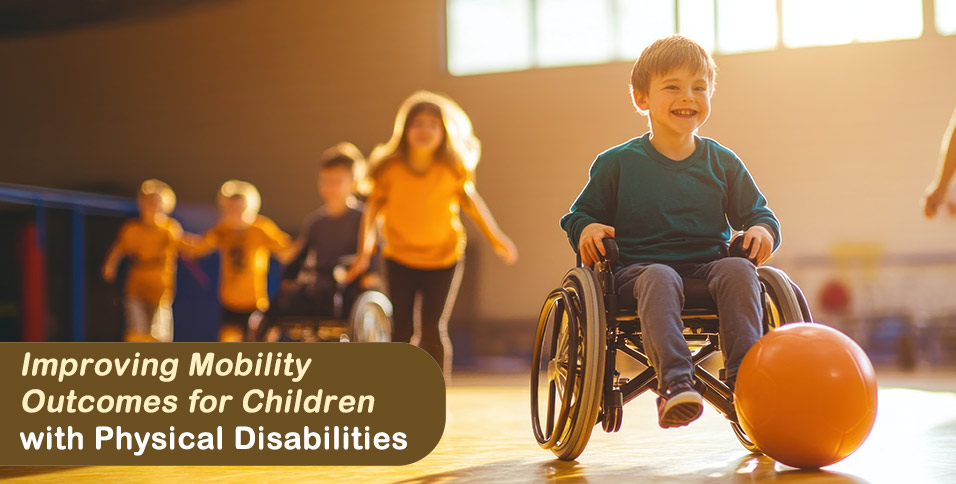
When kids move around on their own, they tend to feel sure about themselves. Moving freely lets them join in – kicking balls, sitting in classrooms, wandering new places – which often shapes how they see who they are. A child rolling through playgrounds instead of watching might just carry that ease into how they stand in front of mirrors later.
When kids can move around freely, they start joining in on choices and working through challenges. Because of these moments, their learning and progress grow stronger.
The Role of Therapy and Training
Getting around easier often starts with support from therapists who guide kids through movement challenges. These specialists teach young ones to handle tools like walkers or wheelchairs without risk. Motion gains meaning when a child moves freely, confidently – equipment becomes second nature over time.
From the start, therapy helps kids grow stronger while working on balance and everyday abilities. Step by step, they move through tasks designed to boost motion and self-reliance. Each activity shapes how they handle physical challenges over time. Progress shows in small actions, like reaching or standing without support. Through repetition, confidence builds alongside muscle control. Movements become smoother when practiced with steady attention. Little by little, new skills take root during each session.
Accessibility and Environmental Support
A child’s movement isn’t just about tools they’re given. Where they grow each day has to work with how they move, too.
Starting small means thinking about kids who need help getting around. When homes or classrooms feel impossible to enter, change becomes necessary. Ramps show up at entrances, door frames grow wider, bathrooms adjust quietly. Places meant for everyone work better when wheels can move without trouble. Public areas included – because access isn’t optional.
What matters most is space that works for little ones who rely on wheels or walkers just as they are. Because when paths stay clear, joining circle time or reaching a shelf happens without help. Think about playgrounds where ramps lead everywhere fun does. Seeing friends at eye level changes how kids talk during snack. Room to move means room to belong, especially where laughter travels fast between tables. When stairs do not block the way, showing up feels less like effort.
Technological Advancements in Mobility Solutions
Out there, tech progress has boosted how well adaptive Pediatric Mobility tools work. Today’s gear? Lighter, easier to tweak, fits better. Built with people in mind, step by step.
Starting small, kids now move easier thanks to motorized chairs that respond to subtle cues instead of buttons. Devices like clever walkers guide steps without constant adult help. Sensors track motion patterns while adjusting support on their own. Independence grows quietly when tools adapt as much as the child does.
When kids move, these tools adjust on their own, offering steadier help along the way. Because every child moves differently, settings can shift to match just how they need it.
Conclusion
Starting small often leads to big changes when kids face movement challenges. Equipment built for their needs helps them get around, see new places, and take part in what’s happening. Each child moves differently, so solutions must fit just right. Tools that adapt can open doors regular ones cannot. Progress shows up in how far they go, not just how they roll.
Ahead of time help means kids gain ground in how they move. Care shaped just for one child opens doors – better strength shows up alongside brighter moods. When support surrounds a young person, confidence grows while others see their place among them. Therapy that fits brings change nobody expected. Each small win adds up without making noise about it. Progress walks quietly into everyday moments.