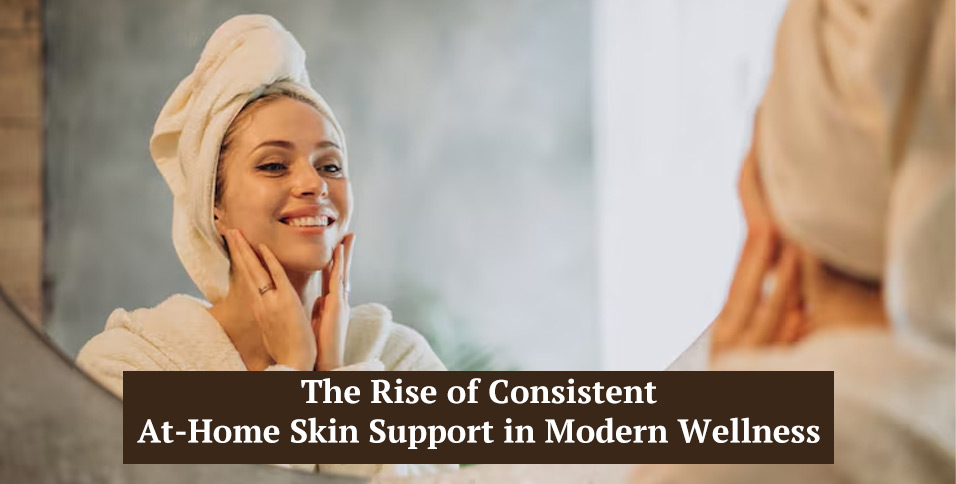
In recent years, the way people approach skin care has evolved significantly. Rather than relying solely on occasional treatments or reactive solutions, there is a growing shift toward consistent, at-home routines designed to support skin health over time.
This transition is closely aligned with broader wellness trends, where individuals are taking a more proactive role in managing their daily habits and long-term outcomes.
A Shift Toward Preventative Thinking
Traditionally, many people addressed skin concerns only when they became noticeable or uncomfortable. Today, however, there is a stronger emphasis on prevention and maintenance. This means focusing on daily routines that help support the skin’s natural balance rather than waiting for issues to arise.
Preventative thinking encourages consistency. When individuals follow a structured routine over time, they are more likely to see gradual improvements in the overall appearance and feel of their skin.
Why At-Home Routines Are Gaining Popularity
Several factors have contributed to the rise of at-home skin support:
- Accessibility – Treatments can be used without clinical appointments
- Routine integration – Easily incorporated into daily habits
- Cost efficiency – Reduces the need for repeated professional visits
- Long-term adherence – Simpler routines are easier to maintain
This approach empowers individuals to take control of their own routines while maintaining flexibility.
The Importance of Targeted Solutions
As awareness increases, people are becoming more selective about the products they use. Rather than choosing general-purpose options, many are turning to targeted solutions that align with specific skin concerns.
For example, products designed to support skin comfort and balance are often incorporated into daily routines as part of a broader strategy. A practical example is the use of a bee venom cream for daily skin support which is commonly included as part of consistent at-home care.
The focus here is not on quick fixes, but on gradual, sustained improvement through regular use.
Technology and At-Home Treatments
In addition to topical products, at-home devices are also becoming more widely used. Technologies that were once limited to clinical environments are now available in more accessible formats, allowing individuals to incorporate them into their routines.
One example is light-based support, which has been widely discussed in dermatology settings. Today, individuals are exploring options like at-home light therapy solutions as part of their broader skin care approach.
When used consistently and correctly, these tools can complement topical routines and contribute to a more structured system of care.
Consistency Over Complexity
One of the key insights driving this trend is the understanding that consistency often matters more than complexity. A simple routine followed daily is far more effective than a complicated regimen that is difficult to maintain.
This principle applies across all aspects of skin care. Whether using topical products, devices, or a combination of both, the ability to stay consistent is what ultimately leads to better long-term outcomes.
Looking Ahead
As the wellness industry continues to evolve, the emphasis on at-home skin support is expected to grow. With greater access to information, improved product development, and increased awareness, individuals are better equipped than ever to take control of their routines.
The future of skin care is likely to be defined not by one-off treatments, but by sustainable, daily practices that support the skin over time. By focusing on consistency, targeted solutions, and informed choices, individuals can build routines that are both effective and manageable.