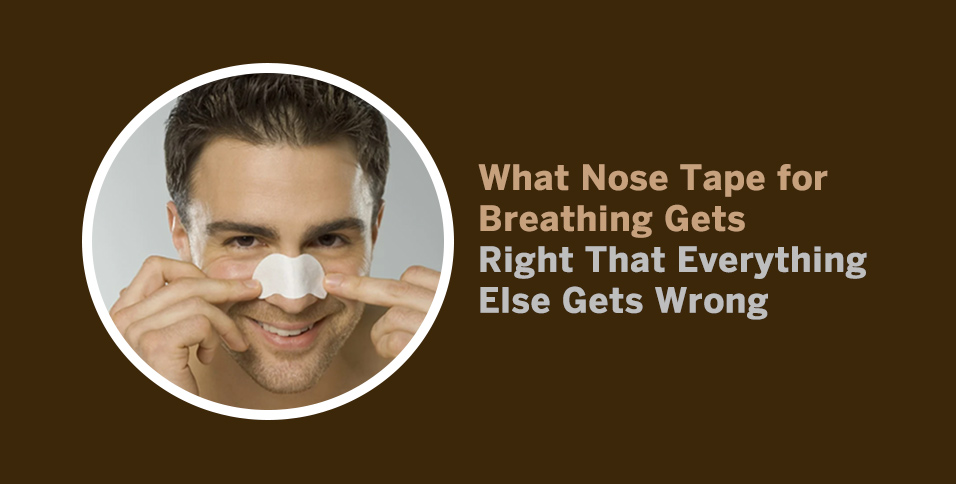
Many people try nasal strips for the first time because of desperation. Snoring complaints, blocked mornings, or waking up more tired than going to bed, these things push them to try new solutions. What surprises first-time users is not only that strip helps one problem—it’s that other issues, they never connect to breathing, also start improving. Afternoon fatigue, sore throats again and again, even teeth grinding, slowly ease.
Nose tape for breathing now becomes central in conversation about how much mouth breathing can disrupt the body and how few people notice it night after night.
How Nasal Strips Work: The Structural Reason
External nasal strips work with simple mechanical principles. They widen the nasal valve, the narrowest part inside the nostril. Most resistance comes here. Even slight congestion or narrow passage can make nasal breathing feel hard.
The strip gives gentle lateral tension to cartilage, pulling nostril walls outward. Small adjustment, but reduces resistance. Nasal breathing is easier. Airflow becomes effortless, the body no longer defaults to mouth breathing. The nose is always the preferred route, the strip just removes obstacles.
The Jaw’s Role During Sleep
During deep sleep, jaw muscles relax completely. Mouths can fall open without awareness. Normal physiology, not disorder. But repeated mouth opening at night has effects:
- Tongue can fall back
- Airway narrows
- Airflow turbulent, snoring starts
People combine nose tape with keeping their mouth closed, results are best. Tape helps resistance, closed mouth supports airway geometry. Together, restoring natural breathing patterns, sleep disturbance is reduced.
Teeth Grinding and Airway Connection
Bruxism grinding or clenching teeth during sleep is often blamed on stress only. Research shows a link with mouth breathing and airway issues. The brain may trigger jaw clenching to reopen a partially blocked airway.
Dentists fitting night guards now often check the airway first. Guards protect teeth but root cause is not solved. Better nasal airflow at night sometimes reduces grinding more than guard alone.
How Athletes Highlighted Nasal Breathing Benefits
Nasal strips got attention first in sports. Athletes need max airflow through stable nasal passages for performance.
During exercise, the mouth can compensate if the nose is insufficient. During sleep, mouth breathing causes problems:
- Dry airways
- Cortisol rises from sleep disruption
- Morning fatigue, not fixed by extra sleep
Athletes show principle simply: efficient nasal airflow is crucial for rest too.
Long-Term Impact on Oral Health
Sleeping with mouth open affects teeth and gums over time:
- Saliva evaporates
- Mouth pH changes
- Acid bacteria grow faster
- Enamel near gums erodes
- Gums inflamed
Brushing or toothpaste cannot fix this alone. Airway dentists see patterns, but patients unaware, still focus on oral hygiene products only.
When Nasal Strips Are Not Enough
Nasal strips open external valve but cannot fix deep issues:
- Deviated septum
- Polyps
- Enlarged turbinates
- Chronic allergies
Professional assessment needed. Strip may give some relief, but full nasal breathing benefits need ENT evaluation if persistent congestion or obstruction exists.
Additional Benefits of Proper Nasal Breathing
Beyond reducing snoring and dry mouth, nasal airflow improves health:
- Sleep more restorative
- Daytime energy higher
- Better focus and mood
- Oxygenation improved
Users notice benefits unexpected, like less fatigue, better clarity, easier digestion indirectly.
FAQs About Nose Tape for Breathing
1. What is nose tape for breathing?
Flexible strip on nose, widens nasal valve, reduces resistance, encourages nasal breathing during sleep.
2. How does it help with snoring?
Opening the nasal passage makes airflow easier. Mouth breathing reduced, snoring often less.
3. Can it reduce teeth grinding?
Sometimes yes. Mouth breathing can trigger grinding by narrowing the airway. Nasal airflow improvement helps.
4. Safe for nightly use?
Yes, usually safe if the nose is structurally healthy, skin tolerates adhesive.
5. Can nose tape fix blocked sinuses?
No. The strip only opens the external valve. Deviated septum, polyps, severe congestion need a doctor.
Conclusion
Nose tape for breathing works because results are visible. Less teeth grinding, clearer mornings, reduced fatigue, mouth no longer dry. All from one factor: where air enters the body during sleep.
For people with clear nasal passages, nose tape is a simple, underused method. It allows the body to perform overnight as designed, supports better sleep, oral health, and wellness.