Hospital return rates for older adults often start with simple accidents at home. Many seniors face a fall or a medical crisis right after they leave the hospital. Healthcare leaders now focus on ways to help patients stay safe in their own houses. This approach helps manage risks once the patient is no longer in a clinical setting.
New safety tools are now a standard part of health management for large groups. These devices act as a safety net for people moving back to living alone. This support lowers the chance of another hospital stay for those with moving problems. Modern systems blend tech with human care to keep patients healthy and happy at home.
Modern Ways to Keep Seniors Safe
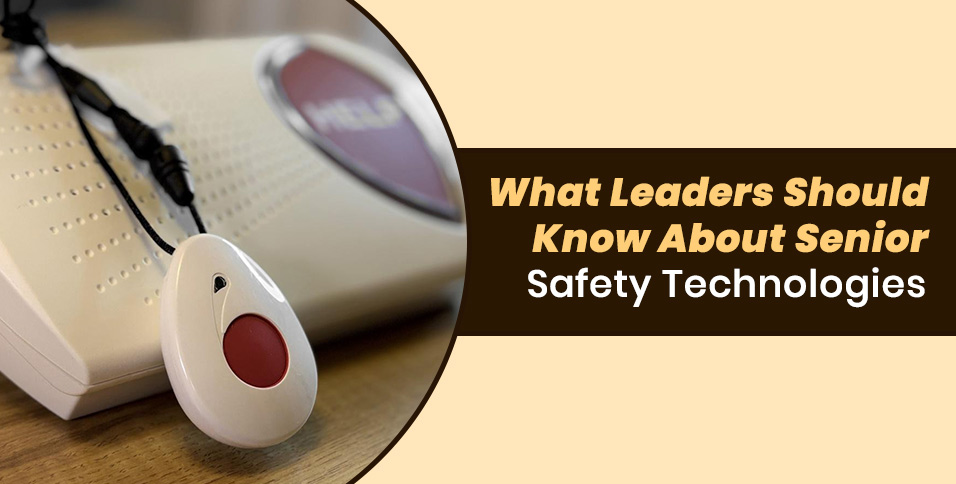
Older medical alerts needed a home phone line to work. New tools use cell signals so they work wherever the person goes. These devices have sensors that feel if someone falls down suddenly. Leaders must see how these tools fit into a full care plan. Using GPS tracking for seniors lets caregivers find patients during a crisis and give help fast.
Learning from Daily Activity Data
Digital tools now track how much a person moves every day. This information helps doctors find health changes before a crisis happens. Many groups find that watching these trends keeps people out of the emergency room. This shift helps us plan for the needs of an aging population. It changes how we provide care to those who live at home.
Care plans work best when they respect a person’s desire to be independent. Mobile safety tools give help only when a person truly needs it. Caregivers say that seniors who feel safe move around more often. Physical activity is a top way to keep muscles and bones strong. This leads to better health outcomes for the elderly over time.
Using Information to Plan Better
Data from these devices helps managers decide where to put staff and money. By looking at alert trends, leaders see where people need more help. This facts based way of working creates better programs for local neighborhoods. Technology makes the whole healthcare system run more smoothly for everyone. It allows for a faster response to any local health needs.
Healthcare teams can use several methods to track patient safety progress.
- Reviewing how many times a patient uses their emergency button helps identify risks.
- It is helpful to check if walking habits match what a doctor recommends.
- Timing how fast help arrives after a fall gives a clear safety metric.
- Seeing if family members feel less stressed provides a measure of program success.
How Safety Tech Helps Healthcare Facilities
Using protective systems can help the financial side of a medical group. Low return rates mean better pay from insurance companies for many providers. When seniors get help fast, they avoid long term problems from an injury. Getting to a patient quickly is a main goal for any manager. It saves lives and keeps costs low for the facility.
Good care needs clear facts about where a patient is during an emergency. Security devices let a patient talk to a pro at any time. This link ensures the right help goes to the right place quickly. Groups that use these tools show they care about patients after they leave. It builds a strong bond between the doctor and the patient. This works well.
Leaders find that these specific steps help improve facility goals.
- Faster response times mean shorter stays in the hospital later.
- Monitoring gives a full view of health between office visits.
- Auto alerts stop mistakes in reporting when a fall occurs.
- Better talk between home and clinic helps give better care.
Staying Active for Better Health
The National Institute on Aging says staying social is a big part of aging well. Technology that gives a sense of safety helps seniors get out more. Being around people helps the mind stay sharp and lowers sadness. Safety tools support these activities by taking away the fear of being alone. This makes life much better for a growing number of older adults.
Enhancing Patient Autonomy and Safety
Seniors often feel more confident when they have a reliable way to call for help. This simple access to assistance restores their peace of mind and supports living alone. Family members feel less worry when they know a pro is watching. This lower stress is a key goal for leaders of family programs. It helps the whole family unit stay healthy while a loved one ages.
New safety tools are small and very easy for anyone to use. Simple buttons and long batteries keep the tech from being a bother. As more people get older, the need for these tools will grow. Leaders must stay updated on new features to give the best advice. Knowing the options helps families make a smart plan for the future.
Two way voice features let a pro check on a senior right away. This talk can calm a person while help is on the way. It also helps figure out if a person needs an ambulance or just a friend. This prevents using big resources for small problems that do not need them. It is a smart way to give great care to everyone.
Leaders should look for these features when they pick a safety system.
- Sensors that can tell a fall apart from a normal step.
- Batteries that last a long time during a power cut.
- Voice systems that let a senior talk to a pro instantly.
- Apps that let family members check in from their phones.
Following Government Safety Rules
The Administration for Community Living has rules for using tech in senior care. These rules help groups give great care while keeping data private. Following these steps builds trust between the provider and the public. Trust is the most important part of any health plan. It keeps the community strong and keeps patients coming back for care.
Bringing New Ideas into Daily Care
The next step for senior safety is linking tools to health records. This would let doctors see activity data during a check up. Having a full picture of life at home helps doctors give better plans. Leaders who use these systems early will be ready for the future. It is a proactive way to handle the needs of our society.
Teaching staff about these tools is a vital step for every clinic. When nurses know the benefits, they can help patients get ready for home. This training makes sure the tech is used the right way every time. A culture that likes new ideas leads to happier patients and staff. It shows that the facility is a leader in modern healthcare.
Picking the right tech partner is a big choice for any manager. You must check for reliability and a high quality call center. A system only works if the person on the other end is ready. Focusing on these facts keeps the protection net strong for everyone. It ensures that help is always just a button press away.
The main goal of high-tech elder care is a better life through data and talk. By using these tools, leaders make a safer place for the elderly. This shows a deep care for the changing needs of our neighbors. Using tech to link medical care and home life is the best path. It creates a future where everyone can age with grace and safety.