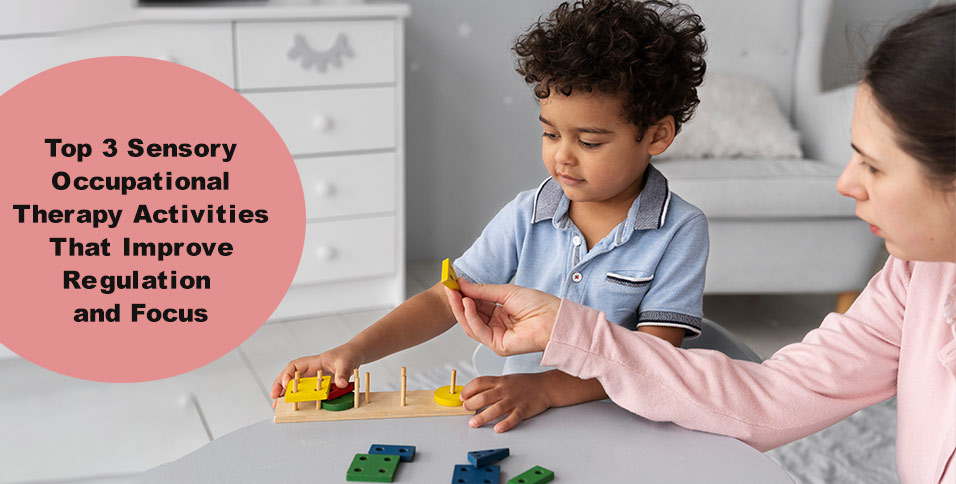
Children who struggle with focus and self-regulation often benefit from sensory-based support. Occupational therapy uses specific activities that help the body and brain work together better. These methods address how children process information from their senses, which directly affects their ability to pay attention and stay calm.
Occupational therapists design sensory activities that provide the right kind of input to help children regulate their emotions and improve their concentration. The techniques combine movement, pressure, and oral motor tasks that meet individual sensory needs. These approaches work for children with ADHD, autism, and other attention challenges, though any child can benefit from them.
The most effective sensory activities are simple to use at home or in therapy sessions. They focus on three main areas: deep pressure to calm the nervous system, movement-based tasks that build body awareness, and oral motor exercises that help with self-control. Each type serves a different purpose but works toward the same goal of better regulation and focus.
1. Weighted blanket deep pressure therapy for calming and focus
Weighted blankets apply gentle pressure across the body to help calm the nervous system. This technique is called deep pressure stimulation. It works similarly to the feeling of a hug or being held.
The pressure from these blankets activates the body’s relaxation response. This helps lower heart rate and reduce stress. Many children and adults feel calm almost right away under a weighted blanket.
These blankets are popular sensory occupational therapy activities because they help with both regulation and focus. Occupational therapists often recommend them for children with autism, ADHD, or sensory processing challenges. The consistent pressure helps organize the sensory system.
Most experts suggest a blanket that weighs about 10% of body weight. The blankets typically weigh between 5 and 30 pounds. They provide just enough pressure without feeling too heavy.
Children can use weighted blankets during homework time to improve focus. They also work well during reading or quiet activities. Some kids benefit from them at mealtimes or during car rides.
The deep pressure helps children pay better attention to tasks. It reduces fidgeting and restless movement. The calming effect also makes it easier to process information and complete schoolwork.
Weighted blankets can be used for short periods throughout the day. Even 15 to 20 minutes of deep pressure therapy can make a difference. Many therapists include them as part of a complete sensory plan.
2. Proprioceptive obstacle courses combining balance and sensory input
Proprioceptive obstacle courses offer children structured opportunities to receive deep pressure input through their muscles and joints. These courses combine movement activities that require push, pull, lift, and carry actions. As children move through the course, they gain important feedback that helps their bodies understand where they are in space.
Therapists design these courses to target both proprioceptive and vestibular systems at the same time. For example, a child might crawl under a table, walk across a balance beam, push a weighted box, and jump into a crash pad. Each station provides different types of sensory feedback that work together to improve body awareness.
The balance component adds an extra layer of challenge that makes the brain work harder to process information. Children must coordinate their movements while also maintaining stability. This dual focus helps improve motor planning skills and teaches the nervous system to organize sensory information more effectively.
Kids who seek constant movement often calm down after these activities. The heavy work input helps regulate their arousal levels and prepares them to focus on other tasks. Parents and teachers often notice improved attention and fewer disruptive behaviors after children complete an obstacle course.
Therapists can set up these courses in clinics, schools, or homes with basic equipment. Common items include pillows, cushions, weighted objects, and simple balance tools. The flexibility allows caregivers to create courses that match each child’s specific needs and abilities. Each course can be adjusted to provide more or less challenge based on how the child responds.
3. Oral motor activities like blowing bubbles and chewing gum
Oral motor activities help children develop better control of their mouth muscles. These exercises support speech development, self-regulation, and focus. They also provide sensory input that can calm or alert the nervous system.
Blowing bubbles is a simple yet effective activity. It strengthens the lips and improves breath control. Children who blow bubbles practice coordinated movements that support speech and attention. This activity works well for kids who need help with drooling or who seek oral sensory input.
Chewing gum offers another way to work the mouth muscles. The repetitive motion provides proprioceptive feedback to the jaw. This type of heavy work through the mouth can help children feel calmer and focused. However, therapists recommend sugar-free gum for children who can chew safely without swallowing it.
Other oral motor activities include blowing whistles, pinwheels, or feathers across a table. Drinking thick liquids through a straw also builds mouth strength. These exercises help children who mouth objects or chew on clothing to get the sensory input they need.
Children benefit from oral motor activities in different ways. Some kids need these exercises to improve their eating skills. Others use them to stay alert during homework or calm down after school. Therapists often add oral motor work to sensory diets because it addresses multiple needs at once. The mouth contains many sensory receptors that connect directly to the brain’s regulation centers.
Conclusion
Sensory occupational therapy activities provide children with practical tools to manage their attention and emotions. These structured exercises help kids process sensory input more effectively, which leads to better focus in daily tasks.
Parents and therapists can use these three activities at home or in clinical settings. The key is to match each activity to the child’s specific sensory needs. Over time, regular practice builds stronger self-regulation skills that carry over into school and social situations.
All activities should be age-appropriate and supervised by an adult. If you have concerns about your child’s motor development, consult a pediatrician or therapist.