If your legs feel heavy, achy, and swollen by the end of the day, you’re not alone. Varicose veins affect millions of people, turning simple tasks like walking or standing into uncomfortable challenges. These twisted, bulging veins don’t just look unsightly — they cause real pain, persistent swelling, and that dragging heaviness that makes you want to elevate your feet the moment you sit down.
While medical procedures offer permanent fixes, many people first explore gentler, at-home options. Essential oils stand out as one of the most researched natural approaches for symptom relief. They support better circulation, calm inflammation, and soothe tired legs without harsh side effects when used correctly.
Important disclaimer: This information is for educational purposes only and is not medical advice. Always consult your doctor before using any essential oils, especially if you have underlying health conditions or are pregnant.
How Essential Oils Support Vein Health and Symptom Relief
Essential oils contain concentrated plant compounds that deliver anti-inflammatory, analgesic, and circulation-boosting effects when absorbed through the skin. Unlike creams that sit on the surface, the best oil for varicose veins penetrate deeper to reach tired veins and surrounding tissues. Cypress, for example, acts as a natural venous tonic, while lavender calms overactive nerves.
Studies and clinical aromatherapy practice show these oils help reduce leg heaviness and swelling by supporting healthy blood flow and easing fluid buildup. They don’t dissolve or remove varicose veins — no topical remedy can — but they reliably soothe the symptoms that make life miserable. Many users report lighter legs within days of consistent use.
When blended with carrier oils like jojoba or coconut, essential oils become safe, gentle allies. The key is dilution, gentle upward massage, and patience. Combined with lifestyle habits like elevation and movement, they create a powerful daily routine that builds real relief over time.
Cypress Oil: The Best Oil for Varicose Veins and Circulation Support
Cypress essential oil earns its reputation as the best oil for varicose veins thanks to its powerful ability to tone vein walls and encourage upward blood flow. Its astringent properties gently constrict tissues, helping reduce pooling and the heavy, dragging feeling so many describe. Traditional herbalists and modern aromatherapists alike rely on cypress for chronic venous insufficiency symptoms.
Users often notice less swelling around ankles and calves after regular application. The fresh, woody aroma also provides a calming sensory boost during leg massage. When diluted properly and stroked upward from ankle to thigh, cypress supports your body’s natural pumping action — exactly what weakened veins need.
For best results, blend 4–6 drops of cypress with one tablespoon of carrier oil. Apply twice daily, always moving toward the heart. Many people combine it with other oils for even faster comfort. If you want a professionally formulated option that already includes cypress alongside complementary botanicals, explore specialized blends from natural oils — their targeted formulas make consistent use simple and effective.
Lavender Oil: Soothing Pain, Reducing Inflammation, and Easing Heavy Legs
Lavender essential oil brings proven analgesic and anti-inflammatory benefits that directly target varicose vein discomfort. Research highlights its ability to lower pain perception and calm irritated tissues, making it ideal for throbbing legs or itchy skin. Its sedative qualities also help you relax after a long day, breaking the cycle of tension that worsens swelling.
Unlike harsher treatments, lavender feels gentle on sensitive skin and pairs beautifully with massage. The light floral scent turns your nightly routine into a soothing ritual rather than a chore. Many report reduced heaviness and better sleep when lavender is part of their leg-care regimen.
Dilute 5 drops in two tablespoons of carrier oil and massage gently each evening. You can also add a few drops to a cool compress for instant relief on particularly swollen days. Its versatility makes lavender a staple for anyone seeking natural daily comfort without irritation.
Helichrysum, Rosemary & Peppermint: Additional Powerhouse Oils for Swelling and Relief
Helichrysum oil stands out for its regenerative and anti-inflammatory compounds that support healthy tissue around veins. It helps minimize bruising, reduces fluid retention, and promotes smoother circulation — perfect for stubborn swelling and heavy legs. Many blend it with cypress for amplified results.
Rosemary essential oil stimulates local blood flow while providing a refreshing lift. Its warming effect counters that cold, tired feeling in legs, and studies suggest it aids micro-circulation. Peppermint, with its menthol content, delivers an immediate cooling sensation that distracts from pain and eases tight, swollen tissues.
A simple blend might include 2 drops each of helichrysum, rosemary, and peppermint in a tablespoon of carrier oil. Apply morning and night with upward strokes. Rotate oils weekly to prevent skin sensitivity and keep benefits fresh. These three, combined with the earlier stars, create a complete natural toolkit for lasting symptom management.
Safe Application Methods and Daily Routine for Best Results
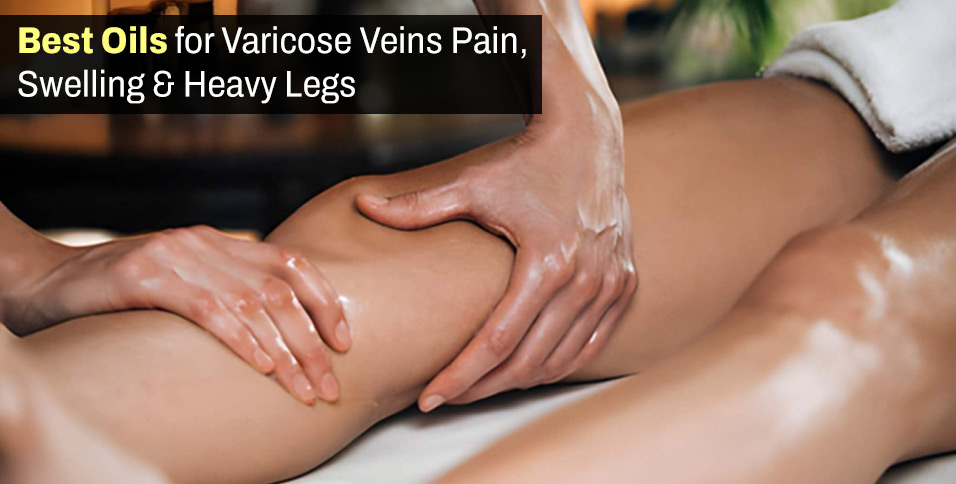
Consistency beats intensity when using essential oils for varicose veins. Always dilute — never apply neat — and perform a 24-hour patch test first. The most effective method is gentle massage: warm a small amount of blended oil between your palms and stroke upward from ankle to thigh for 5–10 minutes twice daily.
Cool compresses offer quick relief on flare-up days: soak a cloth in cool water with 5 drops of your chosen blend and apply while legs are elevated. Add 6–8 drops to a warm bath for full-body circulation support. Morning application with rosemary or peppermint energizes, while evening lavender or cypress promotes overnight recovery.
Pair your oil routine with simple habits: elevate legs 15 minutes several times a day, stay hydrated, wear compression socks if recommended by your doctor, and move every hour. These small steps multiply the oils’ effectiveness dramatically.
Precautions, When to See a Doctor, and Next Steps
Essential oils are powerful but require respect. Pregnant or breastfeeding women, children, and anyone on blood-thinning medication should consult a healthcare provider first. Stop use immediately if irritation, rash, or worsening symptoms appear. Citrus oils increase sun sensitivity, so avoid them on exposed legs.
Oils manage symptoms beautifully, but they are not a cure. See a vascular specialist if you notice skin ulcers, sudden severe swelling, warmth or redness (possible clot signs), or if discomfort interferes with daily life. Professional treatments like sclerotherapy or laser procedures provide permanent solutions when needed.
Start today with one or two oils that resonate most. Track your symptoms for two weeks and adjust as needed. With patience and the right natural support, lighter, more comfortable legs are within reach — helping you move through your days with renewed ease and confidence.