Notice those chalky white patches on your teeth that seem to appear from nowhere? You’re not alone—studies indicate that up to 25% of children and 15% of adults develop white spots on their teeth at some point, creating what dental professionals call “enamel hypoplasia” or “white spot lesions.” While these spots might seem purely cosmetic, they often signal underlying enamel health issues that could progress to more serious dental problems.
The stakes here extend beyond appearance. White spots frequently indicate areas where your tooth enamel has weakened or lost essential minerals, making those areas more susceptible to decay. In 2024, with increased awareness of preventive dental care and advances in remineralization treatments, understanding how to address white spots has become crucial for long-term oral health. Whether you’re dealing with spots from childhood fluorosis, recent orthodontic treatment, or acid erosion from diet, the approach you take can mean the difference between restored enamel and progressive tooth damage.
Here’s what dental research and clinical practice reveal about effectively removing white spots while protecting your enamel’s integrity—and why the method you choose matters more than you might think.
What Are White Spots on Teeth and How Do They Form?
White spots on teeth represent areas where the enamel has lost minerals, primarily calcium and phosphate, creating a chalky, opaque appearance that contrasts with the natural translucency of healthy enamel. This process, called demineralization, occurs when acids—whether from bacteria, certain foods, or other sources—dissolve the crystalline structure that gives enamel its strength and clarity.
Think of tooth enamel like a tightly woven fabric. When healthy, it’s smooth and translucent, allowing light to pass through and reflect off the underlying dentin, creating your teeth’s natural color. When demineralization occurs, it’s as if threads in that fabric become loose and frayed. These disrupted areas scatter light differently, appearing as white or chalky spots against the surrounding healthy enamel.
The formation process typically happens gradually over months or years. Acid exposure—whether from plaque bacteria producing acid after consuming sugars, or direct acid from foods and drinks—begins breaking down the enamel’s mineral matrix. Initially, these changes occur at a microscopic level, but as the process continues, the damaged areas become visible as white spots.
What makes this particularly concerning is that early-stage demineralization is often reversible through a process called remineralization. Your saliva naturally contains calcium and phosphate ions that can rebuild weakened enamel, but this natural repair process requires the right conditions—proper pH levels, adequate saliva flow, and reduced acid exposure. Understanding this biological mechanism becomes crucial when choosing treatment approaches, as some methods support natural remineralization while others may actually inhibit it.
Common Causes of White Spots on Teeth
Enamel hypoplasia represents one of the most frequent causes of white spots, typically developing during tooth formation in childhood. This condition occurs when developing teeth don’t receive adequate minerals during the enamel formation process, often due to illness, fever, or nutritional deficiencies during early childhood. Unlike other causes, enamel hypoplasia creates permanent structural defects that can’t be reversed through remineralization alone.
Dental fluorosis develops from excessive fluoride exposure during tooth development, typically between ages 1-8. While fluoride strengthens teeth when used appropriately, too much during enamel formation disrupts the normal crystalline structure. Mild fluorosis appears as faint white lines or spots, while severe cases can create brown staining and surface irregularities. According to the CDC’s 2016 surveillance data, approximately 21% of children aged 6-11 show some degree of dental fluorosis, largely due to inadvertent fluoride ingestion from toothpaste and multiple fluoride sources.
The most common cause in adults and teens involves acid erosion and demineralization from poor oral hygiene or dietary factors. When plaque bacteria feed on sugars and starches, they produce lactic acid that directly attacks enamel. Areas around braces are particularly vulnerable—the brackets and wires create spaces where plaque accumulates, and cleaning becomes more challenging. Research published in the *American Journal of Orthodontics* shows that up to 60% of orthodontic patients develop some degree of white spot lesions during treatment.
Dietary acid exposure also plays a significant role, particularly from frequent consumption of citrus fruits, sodas, sports drinks, and wine. These acidic substances can drop mouth pH below 5.5—the critical level where enamel demineralization accelerates. Even healthy foods like lemons or vinegar-based dressings can contribute if consumed frequently without proper oral care.
Certain medications, particularly those that reduce saliva flow, increase white spot risk by limiting the mouth’s natural ability to neutralize acids and provide remineralizing minerals. Antihistamines, antidepressants, and some blood pressure medications commonly cause dry mouth, creating conditions where acid damage accumulates more readily.
Types and Variations of White Spot Lesions
Understanding the different types of white spots helps determine the most effective treatment approach, as each responds differently to various interventions.
Fluorosis-related white spots typically appear as symmetric patterns across multiple teeth, often showing faint white lines that follow the natural growth patterns of developing enamel. These spots usually affect teeth that developed during the same time period, creating a characteristic bilateral appearance. Mild fluorosis often responds well to professional microabrasion or whitening treatments that can blend the affected areas with surrounding enamel.
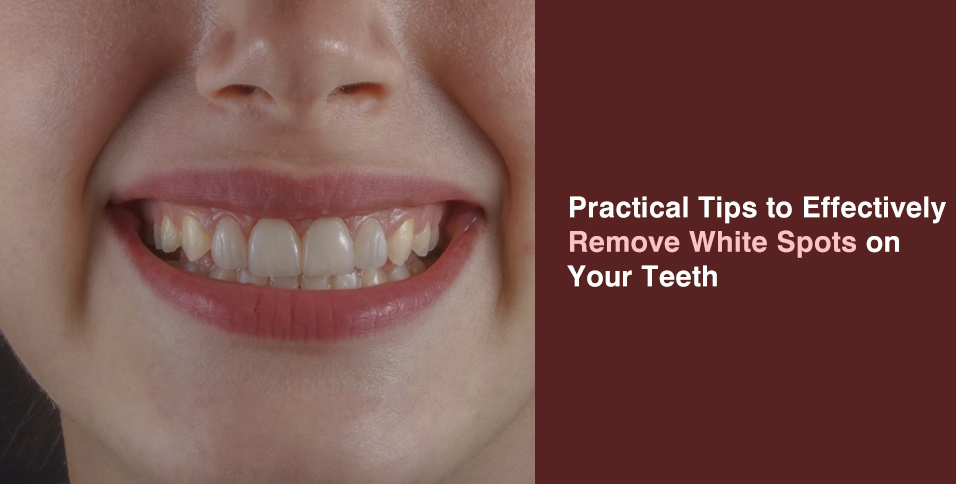
Post-orthodontic white spots tend to appear as square or rectangular patches around where brackets were positioned, particularly on the upper front teeth where cleaning challenges were greatest. These lesions often show clear boundaries between affected and healthy enamel, and they frequently respond well to remineralizing treatments since the underlying enamel structure typically remains intact.
Developmental white spots from enamel hypoplasia present as irregularly shaped patches that may appear pitted or rough compared to surrounding tooth surface. These represent actual structural defects in the enamel and typically require more aggressive treatment approaches, such as microabrasion combined with bonding or veneers for cosmetic improvement.
Acid erosion patterns often appear as generalized areas of opacity, particularly on tooth surfaces most exposed to dietary acids—the front surfaces of front teeth and the chewing surfaces of back teeth. Unlike other types, these spots may feel slightly rough to the tongue and often coincide with areas of enamel thinning.
The severity classification also matters significantly for treatment planning. Mild white spots show faint opacity that’s only visible under certain lighting conditions. Moderate lesions display clear contrast with surrounding enamel and are easily visible in normal lighting. Severe white spots may show surface roughness, brown discoloration, or actual cavitation where the enamel has broken down completely.
How to Remove White Spots on Teeth Effectively
Professional Dental Treatments for White Spots
Microabrasion represents the gold standard for treating surface-level white spots, particularly those from mild fluorosis or early demineralization. This procedure uses a combination of mild acidic compounds and fine abrasive particles to remove a thin layer of affected enamel, essentially polishing away the discolored surface to reveal healthier enamel underneath. Research in the Journal of Conservative Dentistry demonstrates that microabrasion can successfully improve or eliminate white spots in approximately 80% of cases when properly indicated. For patients researching professional approaches to removing white spots on teeth, understanding how minimally invasive cosmetic dentistry techniques restore enamel appearance—while preserving natural tooth structure—can help guide informed treatment decisions.
The procedure typically requires one to three appointments, depending on spot severity and depth. Dental professionals apply the microabrasion compound using specialized instruments that carefully control the amount of enamel removed—usually just 25-200 micrometers, which is less than the thickness of a human hair. The key advantage lies in its conservative nature: it preserves tooth structure while achieving significant cosmetic improvement.
Professional fluoride treatments using high-concentration fluoride varnishes can help remineralize early white spot lesions, particularly those from recent demineralization. These treatments work by delivering concentrated fluoride directly to affected areas, promoting the formation of fluorapatite—a mineral that’s actually more resistant to acid attack than natural tooth enamel. Studies show that professional fluoride applications can reduce white spot visibility by 30-50% over 3-6 months when combined with improved home care.
Clinical whitening treatments can sometimes help blend white spots with surrounding tooth color, though results depend heavily on the underlying cause. Professional-strength bleaching agents can lighten the surrounding enamel to more closely match the white spot areas, creating a more uniform appearance. However, this approach works best for mild spots and may require ongoing maintenance treatments.
Advanced treatments like resin infiltration represent newer technology specifically designed for white spots. This process uses specially formulated resins that penetrate into the porous white spot areas, filling the spaces left by lost minerals and restoring the enamel’s optical properties. Clinical studies show success rates of 70-90% for appropriate candidates, with results that can last for years with proper care.
At-Home Teeth Whitening and Natural Remedies
While professional treatments offer the most predictable results, certain at-home approaches can support enamel health and potentially improve mild white spots over time.
Remineralizing toothpastes containing calcium phosphate compounds (CPP-ACP) or nano-hydroxyapatite can help strengthen weakened enamel areas. These specialized ingredients work by providing the raw materials needed for natural remineralization. Research published in *Caries Research* indicates that consistent use of remineralizing toothpastes can improve white spot appearance by 20-40% over 6-12 months, though results vary significantly based on individual factors.
Over-the-counter whitening products require careful consideration for white spot treatment. Standard whitening strips or gels may actually make white spots more noticeable by lightening surrounding enamel while having minimal effect on the spots themselves. However, some newer formulations specifically designed for white spots include remineralizing agents that can provide modest improvement.
The role of dietary modifications shouldn’t be underestimated. Reducing acidic food and beverage consumption, particularly sodas, citrus, and processed snacks, allows natural remineralization processes to work more effectively. Timing also matters—consuming acidic items with meals rather than as standalone snacks helps neutralize acids more quickly through increased saliva production.
Oil pulling with coconut oil has gained attention as a natural remedy, though scientific evidence remains limited. Some small studies suggest that oil pulling may help reduce harmful bacteria and support overall oral health, potentially creating better conditions for natural remineralization. However, it shouldn’t replace proven treatments for addressing existing white spots.
It’s crucial to understand that most home remedies work slowly and show limited effectiveness for established white spots. DIY treatments using highly acidic substances like lemon juice or vinegar can actually worsen white spots by causing additional enamel damage. The safest approach involves supporting your enamel’s natural healing processes through proper oral hygiene, appropriate products, and dietary awareness.
Tips for Preventing White Spots and Maintaining Healthy Teeth
Prevention strategies prove far more effective and cost-efficient than treating established white spots, particularly when you understand the underlying mechanisms that cause enamel demineralization.
Optimizing oral hygiene practices goes beyond basic brushing and flossing. The timing of your routine matters significantly—waiting at least 30-60 minutes after consuming acidic foods or drinks before brushing allows your saliva to begin neutralizing acids and starting natural remineralization. Brushing immediately after acid exposure can actually remove softened enamel, particularly if you use aggressive brushing techniques.
Use a soft-bristled toothbrush with fluoride toothpaste containing at least 1,000 ppm fluoride for adults, and consider upgrading to a remineralizing toothpaste if you’re at higher risk for white spots. The brushing technique matters as much as the tools—gentle, circular motions for two full minutes, ensuring you reach all surfaces, particularly around the gumline where plaque accumulates most readily.
Strategic fluoride use requires balancing benefits with potential risks. For most adults and children over 6, fluoride toothpaste provides excellent protection when used appropriately. However, young children should use only a rice-grain-sized amount of fluoride toothpaste to prevent excessive ingestion. Professional fluoride treatments during dental cleanings offer additional protection for high-risk individuals, including those with a history of white spots or current orthodontic treatment.
Dietary strategies focus on minimizing acid exposure while supporting natural remineralization. This doesn’t mean eliminating acidic foods entirely, but rather consuming them strategically. Drink acidic beverages through a straw to minimize contact with teeth, and follow with water to help rinse acids away. Choose cheese, nuts, or other alkaline foods as snacks, as these can help neutralize mouth acidity.
Understanding the role of saliva in prevention proves crucial for long-term success. Saliva naturally contains calcium and phosphate ions that rebuild enamel, while also helping maintain proper pH levels. Staying well-hydrated, avoiding tobacco, and managing medications that cause dry mouth all support optimal saliva function. Sugar-free gum containing xylitol can stimulate saliva production while providing additional antimicrobial benefits.
For individuals undergoing orthodontic treatment, prevention becomes especially critical. Using an electric toothbrush designed for braces, incorporating water flossers for hard-to-reach areas, and maintaining regular professional cleanings every 3-4 months rather than the standard 6 months can significantly reduce white spot risk.
What Scientific Research Shows About Teeth Whitening and White Spot Removal
Recent dental research has transformed our understanding of white spot formation and treatment, revealing that the traditional approach of simply removing stained enamel may not always be optimal.
Remineralization science has advanced significantly over the past decade. Studies published in *Clinical Oral Investigations* demonstrate that the enamel’s ability to repair itself extends far beyond what was previously thought possible. Researchers have identified specific conditions that optimize natural remineralization: maintaining mouth pH above 5.5, ensuring adequate calcium and phosphate availability, and providing appropriate fluoride concentrations to facilitate mineral uptake.
One groundbreaking 2023 study from the University of Michigan tracked 200 patients with early white spot lesions over 18 months, comparing various treatment approaches. The results showed that biomimetic remineralization—using products that mimic natural enamel formation processes—achieved 65% improvement in white spot appearance compared to just 25% with traditional whitening alone. This research suggests that supporting the tooth’s natural healing mechanisms often produces superior long-term results compared to purely cosmetic approaches.
Emerging technologies in white spot treatment show particular promise. Researchers at Tokyo Medical and Dental University have developed new calcium phosphate compounds that can penetrate deeper into demineralized enamel than previous formulations. Their 2024 clinical trial showed that these advanced remineralizing agents could improve white spot appearance by an average of 70% over six months, with benefits continuing to accumulate over time.
The science behind resin infiltration has also evolved rapidly. Originally designed for treating early cavities without drilling, this technology has proven highly effective for white spots. Research indicates that properly applied resin infiltration can restore nearly normal optical properties to affected enamel, with success rates exceeding 85% when used on appropriate candidates. The key lies in proper case selection—the technique works best on spots that haven’t progressed to surface breakdown.
Microbiome research is revealing new insights into white spot formation and prevention. Studies show that individuals with certain beneficial oral bacteria strains have significantly lower rates of enamel demineralization, even with similar diets and hygiene practices. This research is driving development of probiotic approaches to oral health that could revolutionize white spot prevention.
Perhaps most importantly, recent research emphasizes that combination approaches often yield better results than single treatments. A 2024 systematic review in the *Journal of Dentistry* analyzed 47 studies and concluded that combining professional treatments with ongoing remineralization support produces both better cosmetic outcomes and improved long-term enamel health compared to cosmetic treatment alone.