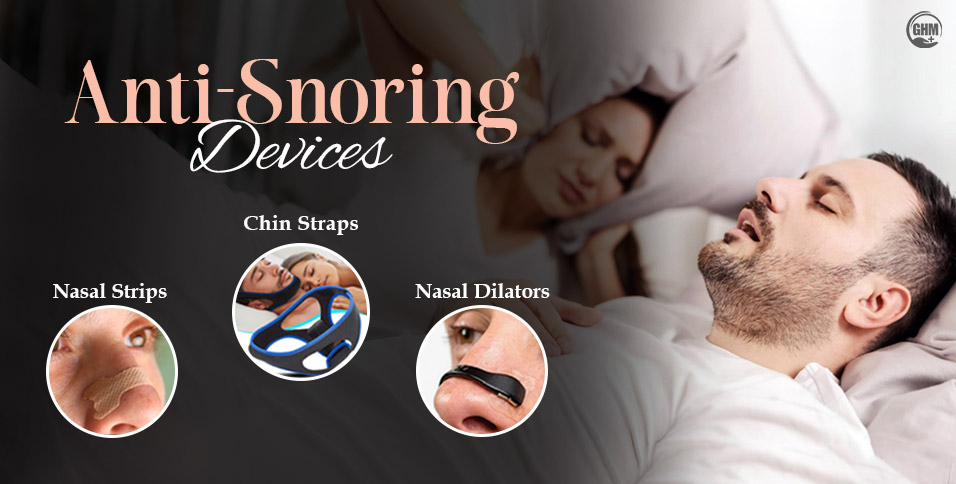
We’ve all been there, either kept awake by our partner or waking up feeling like we haven’t slept a wink ourselves. You aren’t alone. Nearly half of all adults snore occasionally, and for 25% of us, it’s a nightly habit. Fortunately, the right anti-snoring devices can make a measurable difference in how you sleep and breathe at night.
Those who suffer know that extreme snoring at night isn’t just a noisy inconvenience. It’s often a sign that your airway is being partially blocked while you sleep. It happens when your throat muscles relax, the tissues in your mouth and nose vibrate against each other, creating that familiar sound.
The good news is that you don’t have to just deal with it. From simple mouthpieces to clever nasal strips, there is the right tech on the market today that can help you and your partner finally get some peace.
In this guide, we break down the 5 best anti-snoring devices that are worth trying and help you decide which solution might fit your needs.
Get to Know These 5 Anti-Snoring Devices Before Trying
1. Anti-Snoring Mouthpieces
Anti-snoring mouthpieces, also called mandibular advancement devices (MADs), gently reposition the lower jaw forward. This helps keep the airway open and reduces the vibration of tissues that causes the snoring sound.
They are very beneficial for snoring caused by jaw position and soft-tissue vibration. These devices are widely recommended for primary snoring and can provide noticeable benefits soon after use. For chronic snoring, a dental consultation for a custom fit may improve comfort and effectiveness.
2. Nasal Strips for Snoring
External nasal strips are adhesive bands applied across the bridge of the nose. They are a good choice for snoring linked to nasal congestion or blocked nostrils.
By gently lifting the nasal passages, they can improve airflow and reduce nasal resistance while breathing. Many users report quieter breathing and easier inhalation with nasal strips.
They’re simple, low-cost anti-snoring products that work night after night without any medication or complex setup.
3. Nasal Dilators
Nasal dilators are inserted into the nostrils that physically widen the airway and promote smoother airflow. They are best for people with narrow nasal passages or persistent congestion.
Unlike external strips, dilators sit inside the nose, opening the nostrils and helping reduce snoring caused by obstruction.
While some users find them slightly uncomfortable at first, many appreciate that they provide more consistent breathing support throughout the night.
4. Chin Straps for Snoring
Chin straps secure the jaw in a closed position, encouraging nasal breathing rather than mouth breathing.
By stabilizing the jaw and minimizing airway floppiness, they can reduce snoring sounds for some individuals.
These are particularly helpful for those who find their snoring worsens when their mouth naturally falls open mid-sleep.
5. Positional Therapy Devices
Side sleeping is a posture that often keeps airways more open and reduces snoring, but these positional therapy devices for snoring encourage side sleeping.
Positional aids include wearable sensors, vests, or body supports that prompt you to shift positions when you roll onto your back.
For many, especially back sleepers, changing sleep posture is a practical and low-risk solution that can significantly improve snoring frequency and loudness without discomfort.
Simple Tips Beyond Devices To Reduce Your Snoring
Even without using the best anti-snoring devices, you can boost results by:
- Maintaining a healthy weight and regular sleep schedule.
- Avoiding alcohol, smoking, and sedatives near bedtime.
- Sleeping on your side rather than your back.
- Treating chronic nasal allergies or congestion.
How Effective Are Anti-Snoring Devices
Many people find relief with over-the-counter aids, but effectiveness varies depending on the cause of snoring and the type of device they use.
For example, a nasal strip may meaningfully increase airflow for some, while others may see little impact if their snoring stems from throat collapse rather than nasal obstruction.
Clinical research and reviews suggest that devices that maintain airway openness during sleep tend to offer the most consistent results. They are more effective when combined with healthy sleep habits and lifestyle changes.
End Note
From all the above anti-snoring devices, finding the right one can be difficult for you. But they are game-changers for your sleep quality, daytime energy, and relationship dynamics, so do not hesitate to try them.
Always remember that knowing why you snore helps you choose the most effective solution for that snoring noise. Pair the right device with consistent healthy sleep habits for the best results.
If this guide helped you, please share it with others who want to sleep better, because healthy sleep is a foundation for a healthier life.
Sanskruti Jadhav
Frequently Asked Questions
- Do anti-snoring devices cure snoring completely?
No device guarantees a complete cure, but many can significantly reduce snoring intensity and frequency when matched to the snoring cause.
- Are anti-snoring devices safe?
Most over-the-counter devices are safe when used as directed. If you experience pain, discomfort, or worsening breathing, discontinue use and consult a healthcare provider.
- Should I see a doctor before trying devices to stop snoring?
If snoring is loud, chronic, or accompanied by gasping, choking, or daytime fatigue, it’s wise to get a professional evaluation for conditions like sleep apnea.
- How soon can I expect results of anti-snoring devices?
Some devices (like nasal strips) may show benefits the first night, while others (like mouthpieces) may need a few nights of adjustment for the best effect.