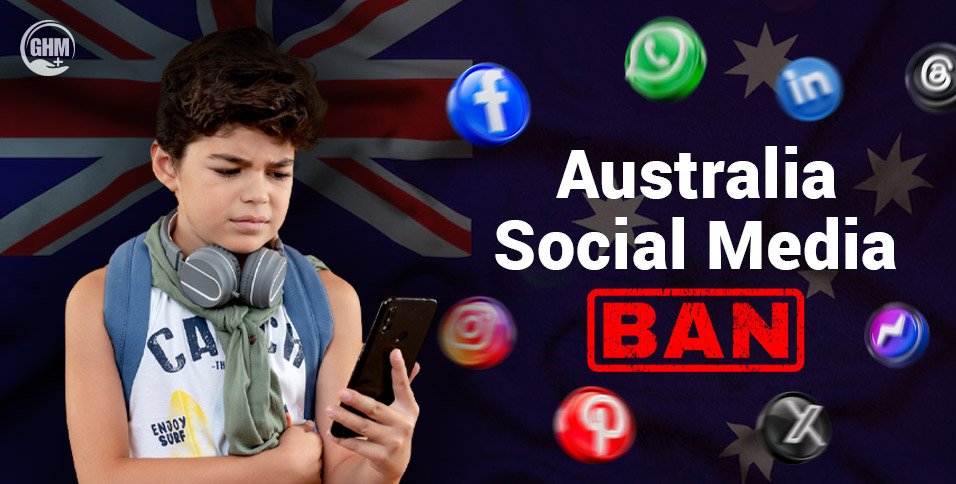
The Australian Government recently took a groundbreaking decision, announcing a full ban on social media use for children under 16. This Australia social media ban might be a turning point for youth health.
In a world of technology beyond imagination, there is rarely anyone without a social media account. There are a number of social media platforms with all kinds of users, even teenagers and children. But the effects of social media are getting out of hand.
This is where a decision like the Australian government shines some hope. They have the potential to protect children’s physical, mental, and developmental well-being worldwide.
In this article, we explore how this move may influence children’s health on a deeper level and why other countries, parents, and health leaders should pay attention.
Learn How The Australia Social Media Ban Impacts Kids
1. Protecting Mental Health
Numerous studies have linked frequent social media use with mental health challenges among adolescents. A majority of studies show that social media use can elevate symptoms of depression and anxiety in teens.
By reducing early and heavy exposure through the Australia Social Media Ban, we may see fewer cases of depressive symptoms, anxiety, social stress, and emotional overload among children globally. It will be impactful, especially in vulnerable populations or in countries where mental-health support is limited.
2. Improving Sleep and Overall Well-Being
Sleep plays a foundational role in physical growth, emotional stability, and cognitive function. But heavy social media use, especially at night, is often associated with delayed bedtime, sleep issues, and poor sleep quality among teenagers.
By restricting social media access to kids and older teens, the Australia Social Media Ban may help children get consistent, healthy sleep. Better sleep supports a healthy mood, improved concentration, and overall resilience against stress. The outcomes will benefit not just individuals, but entire societies.
3. Supporting Healthy Brain and Cognitive Development
Adolescence is a critical period for brain development, particularly in areas governing emotional regulation, impulse control, attention span, and social behaviour.
Excessive or early social media exposure may overstimulate “social reward” pathways and reinforce constant digital feedback loops. A decision like Australia Social Media Ban delays that exposure. It gives young minds a better chance to mature more naturally, improves attention span, emotional balance, and decision-making skills in the long term.
4. Reducing Risk of Digital Addiction and Stress
The term “Digital addiction” means compulsive use of social media can lead to stress, distraction, and reduced real-life social engagement, and is increasingly recognized by mental-health specialists.
The ban could curb this trend among children globally, cutting off early exposure before habits become deeply entrenched. Lower rates of compulsive use may translate to fewer stress-related issues, better emotional well-being, and healthier lifestyle choices.
5. Lowering Potential for Eating Disorders and Body-Image Issues
Social media often exposes children to idealized body images, filtered photos, and comparison culture. It increases mental issues like poor self-esteem, body dissatisfaction, and eating disorders in teenagers.
By restricting social media access for under-16s, Australia’s move may reduce early exposure to harmful comparisons, giving children space to develop healthy body awareness. This social media will potentially lower the risks of eating disorders and unhealthy body-image concerns in children.
6. Encouraging Real-world Social Skills & Healthy Interaction
When children are not constantly immersed in digital social environments, they have more time and incentive to build real-world relationships. Activities such as face-to-face interactions, physical play, and family time support emotional intelligence, empathy, and stable social development.
Through the Australia Social Media Ban, young people may experience a healthier balance of offline and online life. This balance could foster stronger social skills and resilience, benefits that extend beyond individual lives to communities and societies.
Conclusion
Though the policy is Australian, the health implications are universal. Many countries face rising rates of teen depression, poor sleep, eating disorders, and attention issues.
Australia Social Media Ban presents a unique opportunity to shift global thinking on children’s digital exposure and become a model for global public health strategies. By potentially reducing risks associated with kids, this ban could contribute to healthier childhoods worldwide.
The negative effects of social media are not just a challenge for teenagers but a public health issue. It is not merely a personal or parental concern, but this move encourages the world to consider similar protections, guidelines, or age limits.
This social media ban could mark the start of a more cautious, developmentally informed approach to technology use in children.
If you believe in building healthier digital habits for children everywhere, share this article with friends and family to spark the conversation about children’s health in the digital age.
Sanskruti Jadhav
Frequently Asked Questions
- Could banning social media affect children’s social skills development negatively?
On the contrary, by encouraging more face-to-face interaction, play, and real-world communication, children may develop stronger social skills, empathy, and emotional resilience. The shift may foster deeper, healthier social bonds rather than shallow online interaction.
- Will this ban have global relevance, even in countries without similar laws?
Yes. The health risks associated with early social media exposure are common worldwide. The Australia Social Media Ban can inspire global health leaders to consider guidelines or regulations tailored to their local context, helping protect children everywhere.
- What can parents do to protect their children’s well-being from digital time?
Parents can encourage balanced screen time, set boundaries (especially around bedtime). They can promote offline hobbies and sleep hygiene, and have open conversations about online safety, even before laws enforce restrictions.
- When might we see health improvements if social media bans are widely adopted?
After reducing social media use, improvements in health could emerge within months to a few years, especially if combined with supportive parenting, education, and healthy lifestyle habits.