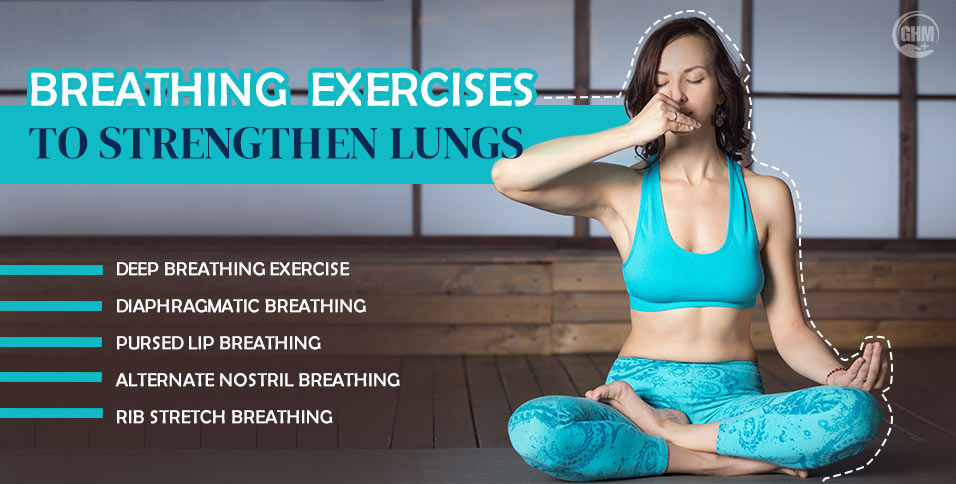
Breathing is a natural, instinctive process that we perform subconsciously every day. While we often pay no heed to our breath, rising air pollution and increasingly sedentary lifestyles have made lung health more critical than ever. Therefore, by adopting specific breathing exercises to strengthen lungs, you can increase your lung capacity and gain better control over your breathing.
The benefits of practicing breathing exercises are extensive, ranging from improved pulmonary function and inspiratory muscle strength to reduced stress levels and enhanced physical endurance.
This guide provides a comprehensive look at how you can practice breathing exercises to strengthen lungs and significantly improve your breathing and overall health.
What Causes Your Lung Health To Collapse
The primary role of your lungs is to exchange oxygen and carbon dioxide. When this process is impaired, stale air can build up in the lungs, leaving less room for the diaphragm to contract and bring in fresh oxygen.
If the diaphragm does not work at full capacity, the body begins using accessory muscles in the neck, chest, and back to breathe. This can lead to lower oxygen saturation levels, which may have detrimental health effects.
Several factors can naturally reduce lung capacity over time:
- Aging: Lung function typically begins to decrease slowly after the age of 35 as muscles weaken and lungs lose elasticity.
- Air Pollution: Microscopic particles like PM2.5 enter deep into the respiratory system, triggering inflammation and damage.
- Smoking: Exposure to tobacco smoke and environmental irritants is a leading cause of lung decline.
- Sedentary Lifestyle: A lack of physical activity can contribute to decreased lung efficiency over time.
Early signs of reduced lung capacity often include persistent shortness of breath, chronic coughing, or feeling easily fatigued during light activity.
Top 7 Breathing Exercises to Strengthen Lungs
These breathing exercises are suitable for healthy individuals and may also help manage symptoms of conditions like asthma, COPD, and bronchitis.
1. Deep Breathing Exercise
Deep breathing helps prevent air from getting trapped in the lungs and facilitates the intake of fresh air into the base of the lungs.
- Benefits: Alleviates breathlessness and promotes a sense of being grounded.
- Method: While standing or sitting, draw your elbows slightly back to expand the chest. Inhale deeply through the nose, hold for 5 seconds (or as long as comfortable), and slowly exhale through the nose. Repeat up to 10 times every hour.
2. Diaphragmatic (Belly) Breathing
Also known as abdominal breathing, the diaphragm breathing technique focuses on using the diaphragm correctly rather than relying on chest muscles. It is most effective for patients with asthma.
- Benefits: Increases oxygen saturation, lowers heart rate, and improves muscle function during physical activity.
- Method: Lie on your back with knees bent. Place one hand on your upper chest and the other on your belly. Inhale slowly through your nose so your belly rises while your chest stays still. Exhale through pursed lips, tightening your abdominal muscles.
3. Pursed Lip Breathing
Breathing through the pursed lip is one of the easiest breathing exercises to strengthen lungs for beginners. Pursed lip breathing is highly effective for managing shortness of breath, as well as for people with conditions like Chronic Obstructive Pulmonary Disease (COPD).
- Benefits: Keeps airways open longer and improves gas exchange.
- Method: Inhale slowly through your nose for 2 to 4 seconds. Purse your lips as if you are about to whistle or blow out a candle. Exhale slowly through your pursed lips for twice as long as your inhalation.
4. Box Breathing (4-4-4-4 Method)
Box Breathing is also known as four-square breathing. Box Breathing is a powerful technique to reduce anxiety and to control breathing.
- Benefits: Enhances lung capacity over time.
- Method: Sit with your back straight. Inhale for 4 seconds, hold for 4 seconds, exhale for 4 seconds, and hold again for 4 seconds.
5. Cardiac Coherence Breathing
This breathing technique uses a “3-6-5” structure: 3 times a day, 6 cycles per minute, for 5 minutes.
- Benefits: Synchronizes heart rate and breathing to achieve mental and physiological balance.
- Method: Sit with your back straight. Inhale for 5 seconds and exhale through pursed lips for 5 seconds. Complete 30 cycles in one 5-minute session.
6. Alternate Nostril Breathing (Pranayama)
A traditional yoga practice, pranayama, that cleanses the respiratory system and improves breath awareness. This is one of the easiest and most effective breathing exercises to strengthen lungs.
- Benefits: Improves airflow and focuses the mind.
- Method: Sit comfortably and use your right thumb to close your right nostril. Inhale through the left nostril, then close it with your fingers. Open the right nostril to exhale. Inhale through the right, close it, and exhale through the left. Repeat for up to 5 minutes.
7. Rib Stretch Breathing
This exercise focuses on expanding the chest wall and ribcage.
- Benefits: Expands lung capacity by encouraging full lung expansion.
- Method: Stand upright and exhale fully. Inhale slowly while expanding your ribcage. Hold for about 10 seconds, then exhale slowly.
Physical Exercises That Improve Lung Capacity
Beyond specific breathing techniques, physical activity can also be effective for respiratory health:
- Aerobic Exercise: Activities like walking, running, swimming, and cycling increase your heart rate, forcing your lungs to work harder, strengthening them over time.
- High-Intensity Interval Training (HIIT): Short bursts of intense activity followed by rest significantly strengthen the respiratory muscles.
- Controlled Coughing: For those with chronic conditions, sitting forward and performing short, sharp coughs can clear deep-seated mucus without causing airways to collapse.
- Postural Exercises: Good posture is essential for optimal lung function; practice shoulder rolls to open your chest.
Tips to Keep Your Lungs Healthy Naturally
- Avoid Irritants: Quit smoking and avoid secondhand smoke or industrial fumes.
- Improve Indoor Air Quality: Use indoor air filters and reduce the use of artificial fragrances.
- Consume Nutrients: Eat foods rich in antioxidants. A healthy diet supports lung repair and function.
- Take Vaccination: Staying updated on flu and pneumonia vaccines can prevent lung infections.
- Practice Good Posture: A good posture aligns your spine and allows for deeper, more efficient breaths.
- Stay Hydrated: Drinking water helps keep mucus secretions loose and easier to clear.
When To Consult A Doctor
If you have pre-existing medical conditions such as COPD or asthma, always consult a healthcare professional before starting a new exercise routine.
Also seek medical advice if you experience:
- Persistent or worsening shortness of breath.
- Chronic cough or chest pain.
- Low oxygen saturation levels.
End Note
Consistent practice of these breathing exercises to strengthen lungs can lead to significant improvements in your lung capacity, overall respiratory health, and emotional well-being.
In a world filled with pollutants, ensuring your body receives the optimal oxygen levels is our responsibility. Whether you are looking for natural ways to improve lung function or seeking breathing techniques to manage specific conditions like asthma or anxiety, the key to success is consistency.
By starting small and gradually building your routine, you can strengthen your lungs naturally and breathe easier for years to come.
If you found this article helpful, share it with your family and friends who suffer from lung health issues and help them breathe freely.
Sanskruti Jadhav
Frequently Asked Questions
- What are the 5 main breathing techniques to relieve stress?
Stress-relieving breathing techniques include alternate nostril breathing, humming bee breathing, Lion’s breath, equal breathing, and the breath focus technique.
- How can I fix shallow breathing?
Shallow, rapid breathing (tachypnea) may indicate an underlying health condition. Practicing diaphragmatic breathing can help, but you should speak with a healthcare professional for a proper diagnosis.
- How long does it take to see the results of breathing exercises?
Many people feel more relaxed immediately after breathing exercises. However, increasing muscle strength and lung capacity typically requires consistent practice over several weeks or months.