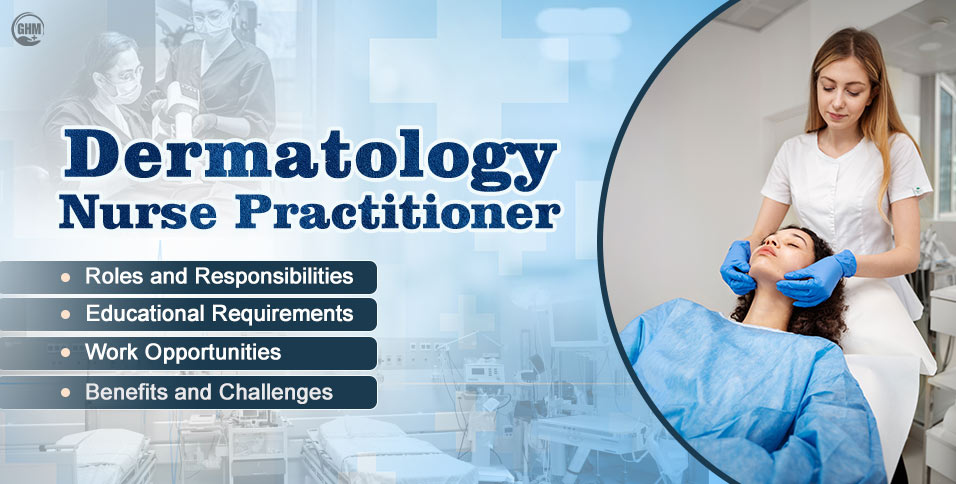
How you look and how your skin feels affect your daily confidence. But skin health is not just about appearance—it is a critical part of overall well-being. As a result, the field of dermatology is expanding rapidly, and the demand for specialized care is skyrocketing. At the center of this evolution is the dermatology nurse practitioner, an advanced practice professional trained to deliver specialized care for skin-related concerns.
A dermatology nurse practitioner (NP) combines clinical expertise with patient-centered care to diagnose, treat, and manage a wide range of dermatological conditions. Despite representing a small percentage of the nurse practitioner workforce, their role is becoming increasingly valuable in modern healthcare systems.
Dermatology nurse practitioners are among the highest-paid nursing specialties with salaries exceeding $150,000–$180,000 annually. The top earners are in high demand and are working high-cost-of-living areas, particularly in the US.
In this guide, you’ll explore the responsibilities, education pathway, certification requirements, and career opportunities that define this dynamic and rewarding profession.
What Is A Dermatology Nurse Practitioner?
A dermatology nurse practitioner (DNP) is an Advanced Practice Registered Nurse (APRN) who specializes in treating conditions affecting the skin, hair, and nails. These professionals hold a Master’s or Doctoral degree in nursing. Dermatology NPs are a type of nurse practitioner.
While a Registered Nurse (RN) focuses on general patient care, a dermatology nurse practitioner can diagnose illnesses and prescribe medications. The role serves as a vital bridge in modern healthcare and modern lifestyle.
Unlike a general NP, a specialized dermatology nurse practitioner focuses exclusively on dermatological pathology. This includes managing everything from common acne to complex cutaneous lymphomas.
Roles and Responsibilities of a Dermatology Nurse Practitioner
The day-to-day dermatology NP responsibilities are both diverse and clinical. These experts perform comprehensive health assessments and diagnostic reasoning to establish patient care plans.
Common duties include:
- Diagnosing Conditions: Identifying acne, eczema, psoriasis, and skin cancers.
- Performing Procedures: Conducting skin biopsies, minor excisions, and cryotherapy.
- Aesthetic Treatments: Administering Botox, dermal fillers, and laser therapy.
- Patient Education: Teaching healthy skincare practices and disease prevention.
- Collaboration: Working with dermatologists and oncologists to coordinate complex care.
Educational Requirements of Dermatology Nurse Practitioner
It takes 6–8 years total to become a dermatology nurse practitioner, which requires navigating a rigorous academic and clinical sequence.
The path follows these critical milestones:
1. Earn a Nursing Degree (BSN):
The foundation begins with a Bachelor of Science in Nursing (BSN) from an accredited program. While some start with an Associate Degree in Nursing (ADN), most advanced practice programs require a BSN for admission. This four-year degree provides the essential scientific knowledge and clinical skills needed for professional nursing.
2. Obtain RN Licensure:
After graduating, candidates must pass the national examination to become a licensed Registered Nurse (RN). This standardized assessment ensures they possess the necessary competencies to provide safe patient care. Once licensed by their state nursing board, they are legally authorized to practice.
Nursing licensing exams differ by country. Some major exams include,
- NCLEX-RN (USA/Canada)
- NMC ToC (UK)
- OBA (Australia)
- Prometric/DHA/HAAD (Middle East)
3. Gain Clinical Experience:
Aspiring specialists should work as RNs to develop a broad range of essential nursing skills. Gaining experience in medical-surgical, critical care, or operating room settings is highly beneficial before transitioning into dermatology. This period allows nurses to build foundational skills in patient assessment and procedures.
4. Complete NP Program (MSN or DNP):
Candidates must then earn a graduate degree, such as a Master of Science in Nursing (MSN) or a Doctor of Nursing Practice (DNP). These nursing programs include advanced coursework in pharmacology, ethics, and health evaluation. Students also complete hundreds of clinical hours to prepare for the autonomy of an advanced practice role.
5. Specialize in Dermatology:
Upon becoming a certified NP, individuals can transition into dermatology through specialized fellowship programs or on-the-job training under board-certified dermatologists.
In the USA, the Dermatology Certified Nurse Practitioner (DCNP) credentials are provided through the Dermatology Nurse Practitioner Certification Board (DNPCB)
This requires 3,000 hours of recent dermatology practice and passing a standardized national exam.
Steps to Becoming a Dermatology Nurse Practitioner:
| Requirement | Description | Timeline/Cost |
| MSN / DNP Degree | Graduate education in nursing | 2–4 Years |
| National Board Exam | FNP or AGNP Certification | ~$395 Exam Fee |
| Clinical Hours | Specialized dermatology practice | 3,000 Hours |
| DCNP Certification | Specialty dermatology board exam | Valid for 3 Years |
Where Does A Dermatology NP Work?
A dermatology NP can thrive in a wide range of clinical and non-clinical environments. Because skin health is a universal need, these professionals are essential in various sectors of the healthcare industry.
Clinical Practice Settings
Most dermatology NPs work in direct patient care settings, providing medical, surgical, or cosmetic treatments.
- Private Dermatology Clinics: This is the most common setting, where NPs manage common conditions like acne, eczema, and psoriasis.
- Specialized Hospital Units: NPs often serve in high-acuity areas, such as burn units or dermatology oncology wards, treating complex pathologies like cutaneous lymphoma.
- Surgical Centers: In these facilities, NPs assist with or perform minor surgical procedures, including skin cancer removals and wound suturing.
- Medical Spas and Cosmetic Offices: These settings focus on aesthetic improvements, where NPs administer Botox, dermal fillers, and chemical peels.
- Community Health Centers: These professionals provide vital dermatological screenings and care in underserved or rural population centers.
Advanced and Non-Traditional Dermatology Roles
Beyond the exam room, a dermatology nurse practitioner can pursue specialized career paths that leverage their advanced training.
- Academic and Research Institutions: NPs contribute to the field by teaching future nurses or conducting clinical research on new dermatological drug therapies.
- Tele-dermatology Services: Utilizing video conferencing and digital imaging, NPs can provide remote consultations, significantly increasing access to specialized skin care.
- Independent Practice: Depending on state regulations, many NPs have the autonomy to open and manage their own private practices through nurse practitioner clinics.
- Consultation and Leadership: Experienced NPs often serve as consultants for other healthcare professionals, such as primary care providers or rheumatologists, to coordinate comprehensive care plans.
Salary of A Dermatology Nurse Practitioner
The financial rewards for the dermatology NP role are significant. According to U.S. News & World Report, the median dermatology nurse practitioner salary is approximately $126,260.
The career outlook is exceptionally bright. The U.S. Bureau of Labor Statistics predicts a 40% to 46% increase in job demand for nurse practitioners by 2033. This growth far outpaces the average for all other professions.
Benefits and Challenges of the Dermatology NP Role
The career of a dermatology nurse practitioner offers a unique balance of professional prestige and clinical rigor. Understanding both the rewards and the hurdles is essential for anyone entering this specialized field.
Professional Benefits
- High Earning Potential: As specialized providers, dermatology NPs often command higher salaries than general primary care NPs, especially in private practices in medical dermatology, surgical procedures, and cosmetic dermatology.
- Work-Life Balance: Unlike hospital-based roles, most dermatology clinics operate during standard business hours, offering a predictable schedule with minimal on-call requirements.
- Patient Impact: Practitioners see tangible results, helping patients overcome chronic skin conditions that significantly impact their self-esteem and quality of life.
Career Challenges
- Rigorous Certification: Achieving the dermatology nurse practitioner certificate requires hours of clinical practice, demanding significant time and dedication.
- Keeping Pace with Technology: The rapid evolution of digital tools in healthcare requires a commitment to lifelong learning and constant recertification.
Comparing Dermatology Nurse Practitioner vs. Dermatologist
While both professionals provide expert skin care, their educational backgrounds and clinical scopes differ.
Understanding the difference between Dermatology NP and a Dermatologist helps patients and aspiring students navigate the healthcare landscape.
| Feature | Dermatology Nurse Practitioner | Dermatologist |
| Education | Master’s (MSN) or Doctorate (DNP) | Medical Degree (MD or DO) |
| Training Model | Advanced Practice Nursing | Medical/Physician Model |
| Residency | Not required (Fellowships optional) | 3–4 Year Specialty Residency |
| Certification | DCNP (Board Certified) | Board Certified Dermatologist |
| Surgery | Minor excisions & biopsies | Complex & reconstructive surgery |
| Common Tasks | Diagnosis, prescriptions, lasers | Advanced pathology, complex surgery |
Future Trends in Dermatology Nursing
The field of dermatology nursing is evolving rapidly, driven by technology, patient demand, and advancements in treatment options.
Dermatology NPs are expected to play an even more significant role in the future of skin healthcare.
Here are some trends driving Dermatology Nursing growth
1. Rise of Aesthetic and Cosmetic Dermatology
- Increasing demand for Botox, fillers, and laser treatments
- Shift toward minimally invasive procedures
- Expansion of roles in medical spas and cosmetic clinics
2. Growth of Teledermatology
- Use of video consultations and digital imaging for remote care
- Improved access for patients in rural and underserved areas
- Faster diagnosis and follow-up care
3. Integration of Advanced Technologies
- Adoption of AI-powered tools for skin condition analysis
- Enhanced diagnostic accuracy through digital dermatology platforms
- Use of advanced devices for precision treatments
4. Increasing Focus on Preventive Care
- Greater emphasis on early detection of skin cancer
- Patient education on skin protection and skincare routines
- Routine screenings are becoming more common
Final Note
The career of a dermatology nurse practitioner offers a unique blend of clinical expertise, procedural skill, and patient connection. As skin health and aesthetic medicine continue to evolve, these advanced practice professionals remain at the forefront of modern healthcare.
By meeting the rigorous standards for the dermatology sector, you can secure a rewarding, high-demand role with significant autonomy. The future of dermatology is bright, offering both financial stability and the chance to make a profound impact on patient wellness. We encourage you to explore specialized dermatology nursing programs and join this dynamic field today.
Found this guide helpful? Share it with your friends and help contribute to the nursing community!
Sanskruti Jadhav