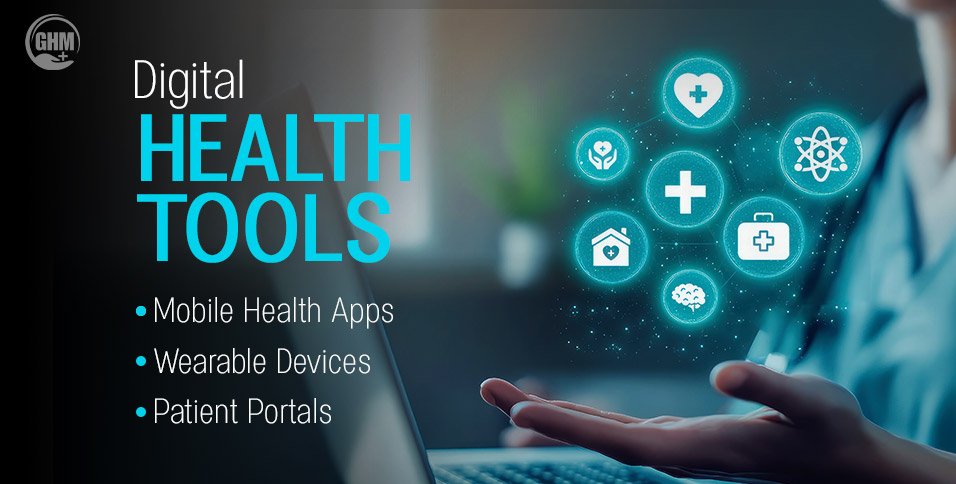
Digital health tools are rapidly reshaping how we manage chronic disease worldwide. From diabetes and heart disease to long-term respiratory and circulatory conditions, the rising burden of chronic health issues demands new, effective solutions.
Today, a growing number of people use digital health tools to track symptoms at home, communicate with doctors, or monitor long-term conditions. It offers a powerful complement to traditional care.
In this article, we explore seven of the most impactful tools empowering patients, caregivers, healthcare providers, policymakers, and health industry leaders to improve chronic disease management globally.
Explore These 7 Digital Health Tools To Make Your Life Easier
1. Mobile Health Apps (Disease-Specific)
One of the most accessible categories of digital health tools is mobile health apps designed for specific chronic diseases such as diabetes, hypertension, and cardiovascular illnesses.
According to a 2024 report by the IQVIA Institute, there are approximately 337,000 digital health apps currently available and disease-specific apps continue to grow in number.
These apps help users log blood sugar, blood pressure, medication schedules, diet, and other metrics.
For many people, they become a daily companion, offering reminders, tracking trends, and enabling better self-management from home care to routine checkups.
2. Wearable Devices & Remote Monitoring Tools
Wearables, such as smartwatches, fitness bands, and connected blood pressure or glucose monitors, have emerged as powerful digital health equipment.
These devices collect continuous data (heart rate, activity levels, sleep, blood pressure, glucose, etc.), which can help doctors and patients track disease progression or treatment response over time.
Remote monitoring is particularly valuable for chronic conditions. A recent study of a rural health-coordination program reported that participants with hypertension achieved an average systolic blood pressure reduction of 20.24 mmHg within six months, while those with diabetes saw meaningful reductions in glucose levels.
This kind of tracking can help catch deteriorations early, adjust treatment plans, and avoid complications, all while enabling patients to stay in their own homes.
3. Personal Health Records (PHRs) & Patient Portals
These tools also include personal health record systems, often called PHRs. These allow patients to store all their medical data, such as lab results, medication history, and doctor notes, in one centralised place.
This simplifies communication between different healthcare providers and ensures that critical health information is available when needed.
PHRs give patients more control over their own care, from managing prescriptions and scheduling follow-ups to tracking long-term trends. For chronic health issues that require ongoing monitoring, having all data readily available greatly improves continuity and coordination of care.
4. Telehealth & Remote Consultations
For many chronic disease patients, especially those in remote or underserved areas, regular clinic visits can be difficult. Telehealth platforms and remote consultations are crucial digital health tools that bridge this gap.
By combining teleconsultations with remote monitoring data (from wearables or apps), healthcare providers can remotely assess a patient’s condition, adjust treatment, and offer timely advice, reducing the need for in-person visits while ensuring consistent care.
This integration of remote monitoring and virtual care is rapidly becoming part of mainstream care pathways.
5. Digital Therapeutics & Self-Management Apps
Beyond tracking and monitoring, some digital health gadgets offer therapeutic support with digital therapeutics (software-based interventions) and self-management apps that guide lifestyle changes, medication adherence, and symptom management.
A 2025 review showed that such digital applications often result in better communication, symptom tracking, and increased autonomy for patients. It helps them manage multimorbidity (the presence of more than one chronic illness).
For example, apps may send reminders to take medication, provide educational content, suggest diet or activity modifications, or even deliver behavioural interventions. This all contributes to improved outcomes and a better quality of life.
6. Symptom Tracking & Digital Biomarkers
Some advanced digital health tools use smartphone sensors, wearables, or remote measurement technologies (RMTs) to gather real-world data over time.
These tools can convert physiological signals, behaviour patterns, and environmental data into digital biomarkers, measurable indicators helpful in early detection, risk assessment, or treatment monitoring.
By tracking factors like sleep quality, heart rate variability, activity levels, or even stress patterns, patients and providers get a detailed, longitudinal picture of health. This continuous data often helps identify subtle changes early, potentially enabling proactive care and preventing complications.
7. Integrated Health Platforms with Data Sharing & Care Coordination
Many digital health tools are now evolving beyond standalone apps or wearables. Developers and healthcare organisations are integrating features, combining patient-facing apps, wearable data streams, provider-facing portals, and even analytics/AI to deliver comprehensive care.
These integrated platforms often provide:
- Unified dashboards tracking health metrics over time
- Secure data sharing between patients and their care teams
- Alerts and reminders for medication or lifestyle actions
- Analytics to highlight risk trends or deviations
For chronic disease management, such holistic tools help streamline care, improve coordination across providers, and deliver more personalised, patient-centred care.
Significance of These Health Tools
Chronic diseases, like cardiovascular illness, diabetes, and chronic respiratory conditions, many more are increasing globally.
As health systems around the world shift from reactive treatment to prevention, early diagnosis, risk-stratification and long-term self-management, digital health tools become essential enablers.
Multiple studies show that self-management interventions aided by digital health tools improve patients’ quality of life, increase treatment adherence, and reduce complications over time.
The convenience, continuity, and home-based monitoring these tools provide can dramatically improve outcomes, while reducing cost and burden on health systems.
Conclusion
Digital health tools offer a powerful and practical way to manage chronic diseases, blending technology, data, and personalised care to support patients wherever they are.
From simple mobile apps to advanced wearables and integrated platforms, these tools are empowering people to take control of their health, improve communication with providers, and make care more proactive and continuous.
As chronic health issues continue to rise globally, embracing these digital solutions is no longer optional but essential for better public health outcomes.
If you found this helpful, please share this article with friends, family, or colleagues and help change lives through these digital health tools.
Sanskruti Jadhav
Frequently Asked Questions (FAQ)
Q1. What are digital health tools?
Digital health tools are software applications, wearable devices, and remote-monitoring systems that use technology to help patients track, manage, and improve their health, especially chronic health issues.
Q2. How can digital tools help me manage my health information?
With tools like personal health records (PHRs) and patient portals, you can store all medical data, such as lab reports, medications, and doctor notes, in one place. This makes it easier to monitor chronic conditions.
Q3. What do patients and consumers want in digital health tools?
Patients and consumers look for ease of use, reliable tracking, data privacy, clear communication, and seamless integration with their care providers.
For chronic disease management, they value reminders for medications or checkups, intuitive symptom tracking, remote monitoring, and access to their own health data, all enabling better self-care and control.