Did you know? At least 2.2 billion people around the globe suffer from vision impairment. Considering the office workers now spend an average of 7–9 hours daily staring at screens, it is hardly surprising!
Consequently, your eyes are no longer just reflecting your screen time; they are often showing the early signs of critical vitamin deficiency and digital vision stress.
While many people believe that vision decline is simply an inevitable part of aging, research reveals a much more hopeful reality. You can actually address eye health and nutrition simultaneously by taking smart, precautionary steps early in your life. Alarmingly, nearly half of all vision cases can be prevented through early intervention and proper eye care, yet many ignore the power of a consistent diet for healthy vision.
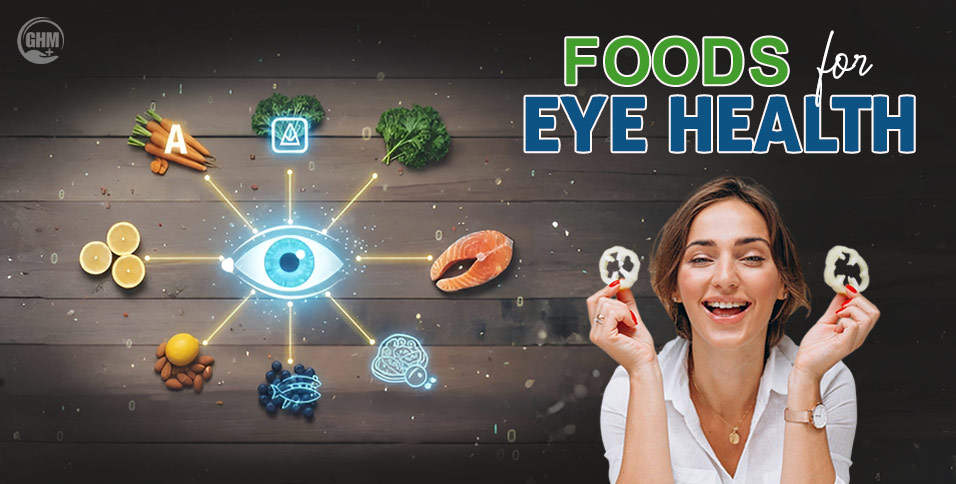
When experts say, “We eat first with our eyes,” they are highlighting a profound biological truth. By integrating specific foods for eye health into your daily routine, you can create a powerful shield against age-related decline and the symptoms of digital eye strain.
This guide explores the most effective foods that improve eyesight to help you combat modern fatigue and maintain sharp vision for years to come.
(Disclaimer: This blog is for informational purposes only. Always consult a healthcare professional for personalised advice.)
Role of Nutrition In Vision Health
The human eye is a biological marvel with high metabolic demands. It requires constant nourishment to repair cellular damage caused by light exposure and oxygen. Specifically, the retina and macula are highly susceptible to oxidative stress.
Certain nutrients act as “internal sunglasses” for your eyes. These include:
- Vitamin A: Crucial for maintaining a clear vision at night.
- Lutein and Zeaxanthin: Powerful carotenoids that filter harmful blue light.
- Omega-3 Fatty Acids: Essential fats that prevent eye disorders like dry eye syndrome.
- Vitamin C and E: Antioxidants that protect ocular cells from unstable molecules.
- Zinc: A mineral that helps transport Vitamin A from the liver to the retina.
Without these nutrients, your risk for digital eye strain and chronic conditions increases significantly. Fortunately, choosing the right food that improves eyesight can mitigate these risks effectively.
Top 10 Foods for Eye Health You Should Have In Your Diet
1. Leafy Green Vegetables (Spinach, Kale, Collards)
- Key Nutrients: Lutein and Zeaxanthin.
- The Benefit: These antioxidants act as a “natural sunblock” for the retina. They absorb harmful blue light emitted by digital devices.
The American Academy of Ophthalmology emphasizes that leafy greens are foundational foods for eye health.
2. Fatty Fish (Salmon, Mackerel, Tuna)
- Key Nutrients: Omega-3 fatty acids (DHA and EPA).
- The Benefit: Omega-3s support the oily layer of your tears, significantly reducing digital vision stress and dry eye symptoms.
Regular intake of fatty fish can prevent “gritty” eyes by improving the oil film produced by the meibomian glands.
3. Carrots and Sweet Potatoes
- Key Nutrients: Beta-carotene and Vitamin A.
- The Benefit: Your body converts beta-carotene into Vitamin A, which allows the eyes to see in low-light conditions.
Vitamin A deficiency is a primary cause of preventable blindness worldwide. These orange-colored foods keep the surface of the eye (cornea) moist and healthy.
4. Citrus Fruits (Oranges, Lemons, Grapefruit)
- Key Nutrients: Vitamin C.
- The Benefit: As a powerful antioxidant, Vitamin C repairs damaged cells and maintains the health of ocular blood vessels.
Studies suggest that consistent Vitamin C intake can lower the risk of developing cataracts and slow the progression of existing vision loss.
5. Eggs
- Key Nutrients: Lutein, Zeaxanthin, and Zinc.
- The Benefit: Because eggs contain natural fats, your body absorbs specific foods for eye health called protective carotenoids more efficiently than from other sources.
Eggs are considered one of the most bioavailable foods for eye health, meaning the nutrients are highly effective once consumed.
6. Nuts and Seeds (Almonds, Walnuts, Chia)
- Key Nutrients: Vitamin E and Omega-3s.
- The Benefit: Vitamin E guards unstable molecules against healthy eye tissue, preventing the breakdown of cells that leads to vision decline.
Long-term clinical trials indicate that Vitamin E, when combined with other nutrients, helps protect the eyes from age-related damage.
7. Whole Grains (Quinoa, Brown Rice, Oats)
- Key Nutrients: Vitamin E, Zinc, and Niacin.
- The Benefit: These grains have a low glycemic index, which prevents rapid spikes in blood sugar. Fluctuating blood sugar can damage the delicate vessels in the retina.
One of the foods for eye health is whole grains, which help reduce the systemic inflammation often linked to chronic eye disorders.
8. Legumes (Lentils, Black-eyed Peas, Kidney Beans)
- Key Nutrients: Zinc and Bioflavonoids.
- The Benefit: Zinc helps transport Vitamin A from the liver to the retina to produce melanin, a pigment that protects the eye from ultraviolet light.
Legumes are high-fiber alternatives that provide a steady supply of minerals necessary for maintaining sharp central vision.
9. Berries (Blueberries, Strawberries, Raspberries)
- Key Nutrients: Anthocyanins and Antioxidants.
- The Benefit: These fruits improve blood flow to the retina and may reduce the inflammatory markers associated with digital vision stress.
Berries are known to strengthen the capillaries at the back of the eye, ensuring a consistent supply of oxygen and nutrients.
10. Dairy Products (Milk, Yogurt)
- Key Nutrients: Vitamin A and Zinc.
- The Benefit: This duo provides minerals and helps maintain the health of the cornea and the vascular tissues located under the retina.
Regular consumption of dairy products supports better night vision and overall eye care by maintaining the integrity of ocular tissues.
The Final Focus
As our world becomes more digitally focused, prioritizing foods for eye health is no longer optional; it is essential. By choosing food that improves eyesight, you are investing in your future independence and clarity.
Remember, good vision grows from good nutrition, so choose a nutrient-rich, balanced diet that can improve your eye health and protect your vision at every stage of life.
The future of eyecare is highly preventive. We now know that the kitchen is just as important as the clinic. Start by adding one extra serving of leafy greens or fatty fish to your meals this week. Your eyes will thank you for years to come.
If you found these tips useful, please share this article with your friends and family to promote better eye care for everyone. Help others see the light!
Sanskruti Jadhav
Frequently Asked Questions
- Can foods for eye health actually reverse vision loss?
No, nutritional changes cannot fix structural damage or genetic conditions. However, they can slow the progression of diseases and optimize your current visual performance.
- How soon will I notice a difference from a diet for healthy vision?
You may feel relief from dry eyes within a few weeks of increasing omega-3 intake. Long-term protection against cataracts and AMD takes years of consistent healthy habits.
- Are there specific foods for eye health for children?
Yes, children benefit greatly from Vitamin A and DHA. These nutrients support developing retinas and help prevent common childhood vision issues.
- Does drinking water help with digital eye strain?
Absolutely. Dehydration is a primary cause of dry eye. Maintaining fluid balance ensures your eyes can produce the lubricating film they need.
- Can Menopause affects eye health?
Yes, menopause significantly affects eyesight due to fluctuating hormones, primarily declining estrogen, which can lead to conditions like dry eyes and blurry vision.