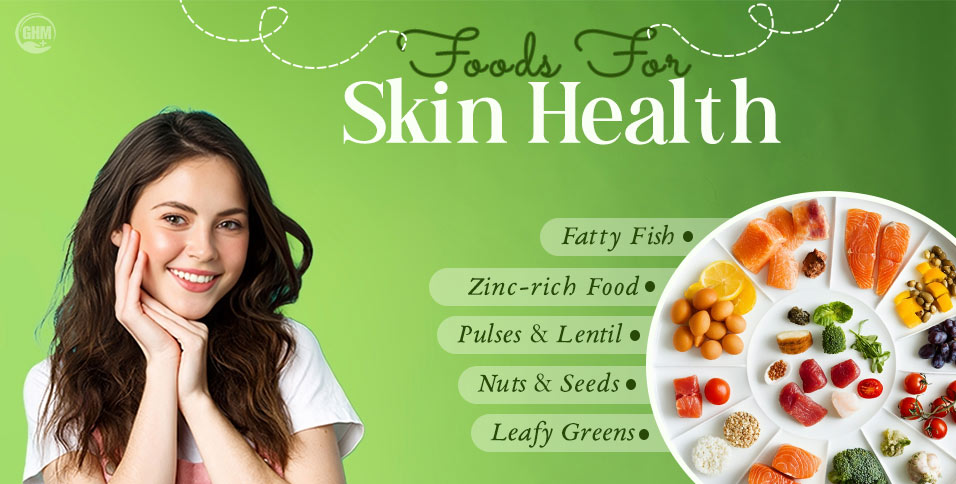
The old phrase, “you are what you eat,” is perhaps most visible on your face. Your skin reflects your internal health and food habits. While many turn to expensive serums and treatments to manage skin concerns, the secret to lasting health often starts from within. It starts with your diet plan. A balanced diet that includes foods for skin health can give you results more dramatic than any serum alone.
Nutrition plays a foundational role in skin repair, hydration, and the management of inflammation. breakouts and blackheads to persistent dryness, what you put on your plate significantly impacts your skin’s clarity and resilience.
By understanding the connection between nutrition and dermatology, you can tailor your diet and give your skin the essential nutrition.
This article explains the best foods for skin health you should eat according to your skin concern, like acne, dryness, or excessive oiliness, to get a glowing skin naturally.
The Best Foods For Skin Health & A Natural Glow
1. What To Eat If You Have Acne?
Acne is often linked to inflammation, hormonal fluctuations, and high blood sugar. While genes play a role, a specific diet for healthy skin can help control the frequency and severity of breakouts.
Best Foods for Acne-Free Skin
- Oats: It is a low-calorie superfood that helps control blood sugar levels, thereby reducing excess oil production.
- Fatty Fish: Foods like Salmon and Mackerel are rich in omega-3s, which lower inflammation and reduce IGF-1, a protein linked to acne.
- Green Tea: Known for its hydrating properties, it helps maintain skin elasticity and overall health.
- Leafy Greens (Spinach, Kale): These are excellent sources of Vitamin A, which supports skin cell production and gives you glowing skin.
- Berries: Packed with antioxidants like Vitamin C, berries protect the skin from irritation and environmental damage.
- Zinc-rich Foods (Lentils, Chickpeas): Zinc may help kill acne-causing bacteria and reduce chemical-driven inflammation.
- Dark Chocolate (70% Cocoa): Contains high levels of cocoa antioxidants, which may prevent breakouts and reduce pore size.
Foods That May Trigger Acne
- Sugary Foods: Processed sugars cause insulin spikes, leading to increased sebum and more clogged pores.
- Dairy (Skim Milk): Some studies link milk consumption, particularly skim milk, to increased acne, potentially due to pregnancy hormones in cows.
2. What to Eat If You Have Dry Skin?
Dry skin is often the result of dehydration or a weakened skin barrier. Because the skin is approximately 30% water, to maintain the elasticity and plumpness in the skin, high fluid intake is crucial.
Best Foods For Dry Skin Type
- Watermelon: Composed of over 90% water, it is also rich in lycopene and Vitamin C for skin repair.
- Oranges: These provide high water content (80–89%) and Vitamin C to support collagen and hydration.
- Cucumbers: Almost entirely water, they have a soothing, anti-inflammatory effect on the skin.
- Yogurt: Surprisingly, one portion of yogurt is 80–89% water, supporting both hydration and gut health, which results in a natural skin glow.
- Avocados: These contain healthy fats and biotin, which keep the skin firm and moisturized.
- Nuts & Seeds (Walnuts, Chia): These are powerhouses of omega-3 oils, which are essential for repairing the skin barrier and retaining moisture.
- Olive Oil: Rich source of Vitamin E and antioxidants, it keeps skin plump. Extra virgin olive oil helps protect against UV damage.
3. What To Eat If You Have Oily Skin?
Oily skin occurs when sebaceous glands produce an excess of a waxy substance called “sebum”. While sebum is necessary for hydration and fighting infections, too much can lead to breakouts and clogged pores.
Best Foods for Oily Skin Control
- Coconut Water: Hydrates and balances electrolytes, helping the body flush out toxins that can lead to oily buildup.
- Bananas: Rich in potassium and magnesium, they help detoxify and balance the oil content in your body.
- Cucumbers: Their high water content balances excess sebum by ensuring the skin is properly hydrated.
- Dark Chocolate (Low Sugar): Its high antioxidant content helps reduce enlarged pores without the inflammatory effects of sugar.
- Pulses & Lentils: Their low-glycemic properties help stabilize blood sugar, leading to reduced oil production.
- Pineapple: Contains bromelain, an enzyme proven to help manage skin conditions like acne and dermatitis.
Foods That Worsen Oily Skin
- Red Meat: High in saturated fats, red meat can trigger the skin to produce more oil and may cause inflammation.
- Dairy Products: Growth hormones in dairy can stimulate testosterone, which directly increases sebum production.
- Processed Foods: High in sodium, these foods dehydrate the body, causing the skin to overcompensate by producing more oil.
- Spicy Foods: These can be inflammatory and may mess up the skin’s pH, making it more acidic and oilier.
More Tips To Improve Skin Health Naturally
- Stay Hydrated: Drink at least eight glasses of fluids daily to maintain clear skin and flush out toxins.
- Exercise Regularly: Physical activity helps get rid of toxins through sweat. But make sure to wash your face and body afterward.
- Manage Stress: High stress can trigger acne; use relaxation techniques like meditation to keep skin calm.
- Maintain Skincare Routine: Follow a routine to take care of your skin. Use gentle cleansers, moisturise your skin, and never skip sunscreen.
End Note
True beauty and healthy skin can be achieved from within. While topical products like skincare acids are essential for surface-level care, they cannot replace the foods for skin health.
While it may be tempting to seek a quick fix for acne or dryness, a true transformation requires consistency. If you make small, consistent changes to your plate, you can address skin concerns at their root. Prioritizing foods for skin health can create a foundation for long-term glowing skin to avoid future aging.
Remember, healthy skin is a reflection of overall wellness. Start making small, intentional dietary shifts today, and let your natural shine.
Sanskruti Jadhav