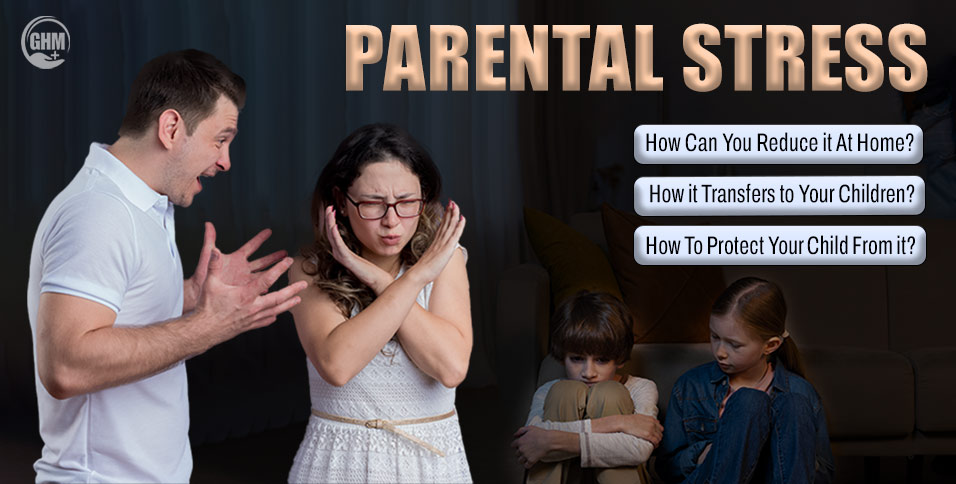
Parenting is perhaps the most rewarding job in the world, but let’s be honest, it’s also one of the most exhausting. Between the sleepless nights and the constant mental load, the stress of parenting is something almost every caregiver feels. Nearly 70% of parents report feeling overwhelmed by stress at least some of the time.
While we often worry about how stress affects us, science shows that our emotional climate acts as the “weather” for our children’s growth. From developmental psychology to the way a child’s brain handles emotions, parental well-being is a cornerstone of a healthy home.
But here is the good news: Understanding this connection empowers families to protect both parental well-being and a child’s mental health.
This article will explain parenting stress, how it affects the child, and the family’s health. It will help parents understand the emotional and physical burnout that can happen due to parenting.
Learn Parental Stress For A Better Family Wellness
1. What Is Parental Stress
Parental Stress is more than just a bad day. In developmental psychology, this refers to the physical and emotional exhaustion that comes from the relentless demands of raising a child. When this pressure becomes chronic, it changes how we react to our kids, moving us from calm guide to reactive mode.
Common Triggers for Stressed Parents include:
- Worrying about the cost of living
- Chronic exhaustion due to sleep deprivation lowers your emotional fuse.
- Managing children’s emotional or behavioral needs.
- Health concerns within the family
- Limited social or emotional support
Many parents complain that parenting responsibilities are a primary contributor to their stress. When parental stress becomes ongoing, it begins to affect family health metrics and overall household stability.
2. How Parental Stress Transfers to Children
Children are deeply sensitive to their caregivers’ emotional states. Even when parents try to hide stress, children often sense it through tone of voice, facial expressions, and daily interactions. When parental stress becomes a constant “background noise” in the home, it can change how a child feels safe and secure.
Studies show that parental stress can influence:
- A child’s sense of emotional safety
- Stress hormone levels in the body
- Early coping skills and behavior patterns
The chronic stress in parents can alter family routines and emotional availability. It can increase the likelihood of emotional and behavioral challenges in children. This connection is especially strong in early childhood, when the brain is rapidly developing.
Research shows that children raised in high-stress environments may develop stronger stress responses, making them more reactive to challenges. This does not mean damage is permanent, but it highlights how parental stress shapes development at a biological level.
3. How Parenting Stress Impacts a Child’s Mental Health
A child’s mental health is deeply tied to the stability of their caregivers. When parenting stress is high, it becomes harder for adults to help a child calm down when they are upset.
Emotional Modeling: Kids don’t just do what we say; they do what we do. If they see us constantly in “survival mode,” they may struggle to learn healthy ways to manage their own frustrations.
Behavioral Red Flags: You might notice a child becoming more clingy, having more frequent tantrums, or withdrawing. These are often signs that they are picking up on the emotional strain in the household.
High levels of parenting stress can increase the risk of:
- Anxiety disorders
- Behavioral challenges
- Sleep difficulties
- Emotional withdrawal
4. How To Protect Your Child From The Stress Of Parenting
Many parents worry they’ve already “messed up.” However, the human brain is incredibly resilient. The goal isn’t to be a perfect, stress-free parent; that doesn’t exist. Instead, the focus should be on family health as a whole. Various parenting styles can also be used to raise a child and prioritise self-care.
But, occasional stress is actually a teaching moment; it shows children that life has challenges, but they can be managed.
The biological effects of stress can be balanced out by protective factors like:
- Warm, physical affection.
- Predictable daily routines.
- Openly talking about feelings.
5. What You Can Do to Reduce Your Stress At Home
Lowering the stress thermostat in your home doesn’t require a total life overhaul. Small, consistent shifts can improve your child’s mental health and your own.
1. Practice “The Pause”
When you feel your stress rising, take 30 seconds to breathe before responding to your child. This prevents reactive parenting and keeps the environment calm.
2. Prioritize Micro-Self-Care
You don’t need a spa day to reset. Five minutes of quiet, a walk around the block, or asking a partner to take over for ten minutes can lower your cortisol levels.
3. Focus on Connection Over Perfection
A messy house with a present, laughing parent is much better for a child’s development than a spotless house with a parent who is emotionally exhausted.
When parents actively manage stress, children display improved emotional regulation and reduced anxiety, even in challenging environments.
When A Parent Should Seek Extra Support
If you feel “stuck” in a cycle of irritability or hopelessness, if you are not getting enough sleep, and don’t have someone to talk to. It may be time to talk to a professional.
Seeking professional help or joining a parenting group isn’t a sign of weakness, but a proactive step to protect your child’s future.
There is no shame in therapy; in fact, it’s one of the most proactive ways to improve your parenting stress levels and protect your child’s mental well-being.
The bottom line is, you cannot pour from an empty cup. Taking care of your own mental health isn’t a luxury; it should be your priority as a parent and also as a human.
End Note: Caring for Yourself Is Caring for Your Child
Parental stress is not a personal failure; it is a human response to responsibility, uncertainty, and care. Your health and your child’s growth are deeply connected.
By managing your own parental anxiety, you aren’t just feeling better—you are actively preparing your child’s nervous system to handle life with resilience.
Remember, every child doesn’t require a parent who is perfect, but one who is present and self-aware. Addressing the stress of parenting is an act of love that can change the biological and emotional landscape of your home.
Small steps toward family health, like setting boundaries or practicing calm communication, create the safety your child needs to thrive.
You don’t have to carry the weight of the world to be a great caregiver. By prioritizing your own mental clarity, you provide the ultimate gift: a stable, secure environment where your child can grow into their best self.
If this article helped you, share it with other parents, caregivers, or educators. Raising awareness can help families create healthier, more supportive environments for the future generation.
Sanskruti Jadhav
Frequently Asked Question
- Can parental stress permanently harm a child?
No. While chronic parental stress can influence development, positive relationships, emotional support, and stress management can reverse or reduce negative effects.
- At what age does parental stress affect children the most?
Early childhood and pregnancy are particularly sensitive periods, but children of all ages can be affected by ongoing stress in the home.
- Does occasional stress impact a child’s mental health?
Short-term stress is normal and does not harm children. Problems arise when stress becomes constant and unmanaged.
- How can grandparents or caregivers help reduce parenting stress?
Providing emotional support, practical help, and stable routines can significantly reduce parenting stress and improve family health metrics.
- When should parents seek professional help?
If stress feels overwhelming, persistent, or begins affecting daily functioning or a child’s emotional health, professional support is recommended.