Have you ever noticed how your shoulders drop and you relax the moment you step into a warm bath, or your breath deepens when you catch your first glimpse of the ocean? It’s not just in your head. For centuries, humans have sought out water as a sanctuary for the soul, but today, this natural instinct is being harnessed into a powerful clinical tool known as water psychotherapy.
Even when we feel completely overwhelmed, we crave a long shower to wash away the day, right? That’s your body’s intuitive pull toward water-based healing.
While traditional “couch therapy” focuses on the mind, water psychotherapy recognises that our emotions are often stored in our bodies. By combining the science of psychology with the unique physical properties of water, this holistic approach offers a path to mental clarity that words alone sometimes can’t reach.
In this guide, we’ll dive into how submerging yourself in an aquatic environment for therapy can reset your nervous system, dissolve anxiety, and provide a literal “fluid” space for emotional breakthrough.
Let’s Know More About Water Psychotherapy
What Is Water Psychotherapy?
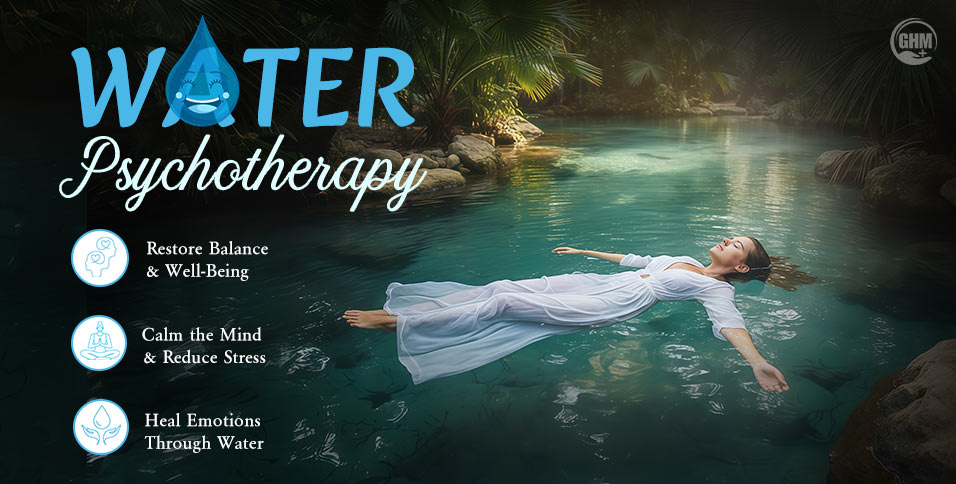
Water Psychotherapy is a therapeutic approach that uses water to help relax the mind, ease emotional stress, and support mental health. It includes guided practices such as hydrotherapy, aquatic psychotherapy, and other water-based healing methods, usually done in warm pools, baths, or specialised therapy spaces.
Unlike traditional talk therapy, this approach works directly with the body. Water gently supports movement, relaxes muscles, and calms the nervous system.
This method helps people feel safe, present, and more open to emotional healing. Psychotherapy with water brings together elements of psychology, physical therapy, and body-based healing for a more complete experience.
How Does Water Psychotherapy Work
Water has unique properties that make it especially effective for mental wellness:
- Buoyancy: Water supports your body weight, making movement easier and lighter. This can reduce physical tension and help lower anxiety and create a sense of lightness.
- Temperature: Warm water encourages the body to relax by activating the parasympathetic nervous system, which helps reduce stress hormones.
- Hydrostatic pressure: The gentle pressure of water around the body can improve circulation and create a calming effect on the nervous system.
- Sensory stimulation: Being immersed in water stimulates the senses in a balanced way, improving focus, mood, and emotional awareness.
Together, these effects help strengthen the mind–body connection, allowing emotional healing to happen naturally and comfortably.
What Are The Core Benefits of Water Psychotherapy
Water therapy can help your mental health in various ways,
- Stress Reduction and Anxiety Relief
Spending time in warm water can significantly reduce stress. Gentle movements and water support help calm the body, lower cortisol levels, and increase feel-good hormones. Many people feel deeply relaxed after even one session.
- Mood Improvement and Emotional Balance
Water-based therapy often leaves people feeling lighter and more emotionally balanced. The soothing environment makes it easier to release emotional tension and build resilience over time.
- Better Sleep and Overall Well-Being
Relaxation from water will improve your sleep quality, which has positive effects on mental health. Better sleep supports emotional stability, mental clarity, and physical recovery.
- Improved Mindfulness and Focus
Water’s calming environment naturally supports our minds. The feeling of floating or moving slowly helps bring attention to the present moment, reducing overthinking and negative thought patterns.
- Support for Specific Mental Health Conditions
Research suggests that water-based therapies may help with conditions such as anxiety, mild depression, trauma-related stress, and developmental challenges in children. For some individuals, water provides a safe and comforting environment for emotional regulation.
What Methods Are Used in Water Psychotherapy
Water Psychotherapy can look different depending on individual needs. Common approaches include,
- Hydrotherapy:
Guided movements or relaxation in water using temperature, resistance, or jets.
- Aquatic Psychotherapy:
Therapy sessions that combine emotional and psychological work with gentle movement in water.
- Mindfulness in Water:
Focused breathing, body awareness, and calm movement while floating or standing in water.
- Specialised Techniques:
Practices such as Watsu, which use gentle stretching and rhythmic movement to relax the body and mind.
Each method supports holistic mental health by blending emotional care with physical comfort.
Which Mental Health Conditions Need Water Therapy
Water Psychotherapy may be helpful for people experiencing,
- Ongoing stress or anxiety
- Mild depression or emotional imbalance
- Trauma and PTSD
- Emotional burnout
- Behavioural or developmental challenges in children
For individuals with PTSD, water-based therapy may help reduce anxiety and improve sleep by offering a sense of safety and support.
Is Water Psychotherapy Safe and Effective
When guided by trained professionals, water psychotherapy is generally safe and low risk. It does not rely on medication and instead works with the body’s natural ability to relax and heal.
However, people with certain medical conditions, such as heart problems or open wounds, should consult a healthcare provider before starting. Professional guidance ensures both safety and effectiveness.
How to Get Started With Water Psychology
If you are curious about trying Water Psychotherapy,
- Look for a qualified therapist trained in water-based or aquatic therapy.
- Share your mental health goals and any concerns before starting.
- Learn about the therapy setting, including water temperature and depth.
- Begin with gentle sessions and notice how your body and mind respond.
Water Psychotherapy can be used on its own or alongside other mental health treatments.
Conclusion
Water Psychotherapy is more than just a wellness trend. It is a gentle, holistic approach that uses water, a natural source, as a tool to support emotional balance and mental health.
From easing stress and improving mood to encouraging mindfulness and better sleep, water-based healing offers real benefits for people of all ages.
Whether you are exploring self-care options or looking to expand your mental health toolkit, this therapy can be a meaningful step toward overall well-being.
If this guide helped you, consider sharing it with others who may benefit from the healing power of water.
Sanskruti Jadhav
Frequently Asked Questions
- How soon will I notice the results of Water Psychotherapy?
Many people feel relaxed after a few sessions. Long-term benefits usually come with regular practice.
- Is Water Psychotherapy suitable for all age groups?
Yes. Sessions can be adapted for children, adults, and older individuals.
- Do I need swimming skills for Water Psychotherapy?
No. Most sessions take place in shallow water or use flotation support for comfort and safety.
- How long does a typical Water Psychotherapy session last?
Most water psychotherapy sessions range from 45 to 60 minutes, enough time for the body to acclimate to it.
- Can I practice elements of water therapy at home?
While professional psychotherapy requires a therapist, you can take intentional “mindful baths” where you focus on the sensation of water on your skin, or use warm compresses to soothe the nervous system during times of high stress.