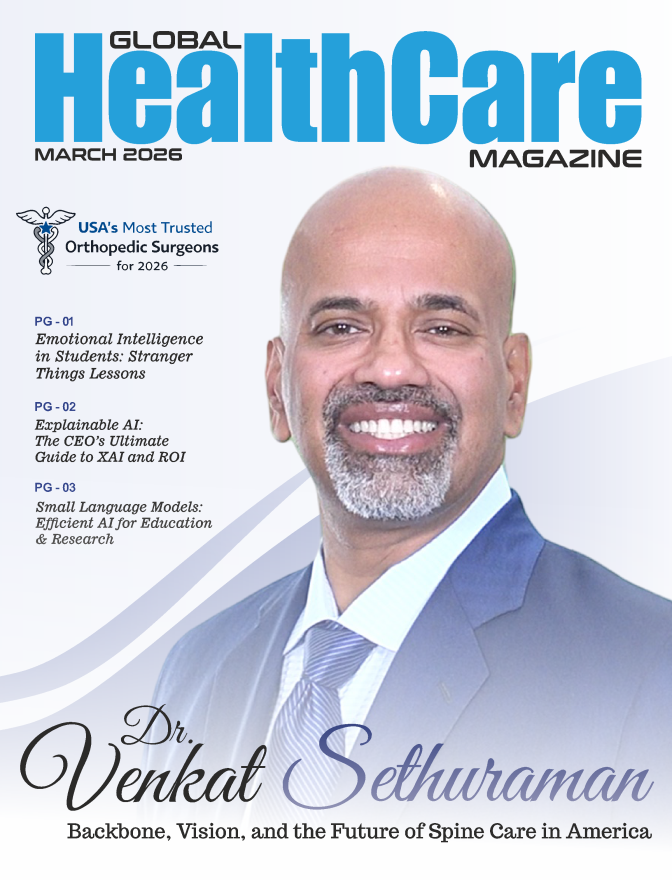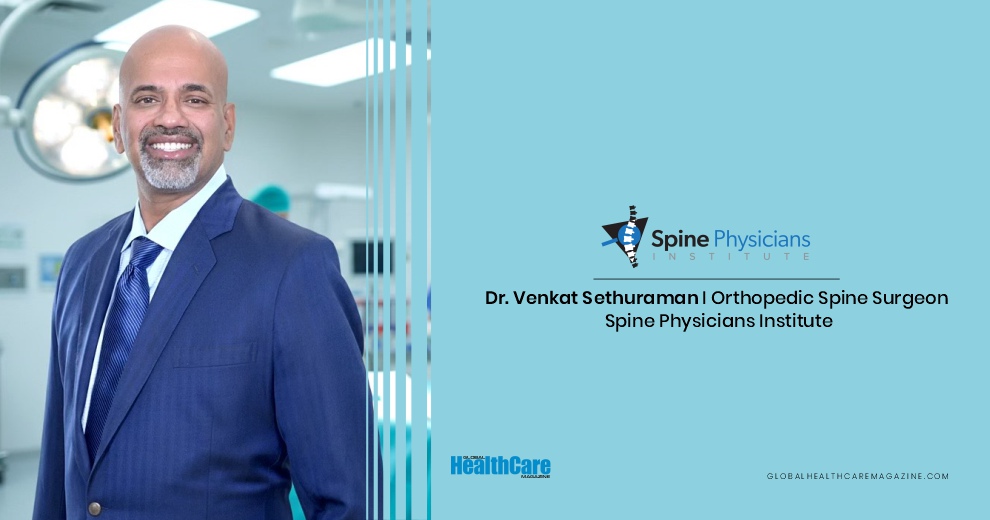
Most people meet a spine surgeon at a difficult moment in their lives. They arrive with pain that interrupts their sleep, limits their routine, or changes the way they carry themselves. These moments reveal how much the spine affects a person’s confidence and comfort. Understanding that impact takes more than medical training. It takes someone who pays attention to the connection between movement and dignity, and someone who is willing to work at the point where both can be restored. That awareness formed early in Venkat Sethuraman’s life, long before he knew what kind of doctor he wanted to become.
Dr. Venkat Sethuraman, an orthopedic spine surgeon at the Spine Physicians Institute, grew up curious about how the body worked and why certain problems affected people so deeply. He says, “Medicine felt like the one profession where science, problem-solving, and service came together in a meaningful way,” and those three ideas stayed with him as he moved through school.
In medical college, the musculoskeletal system caught his interest first. He liked its structure, its mechanics, and the way it explained everyday movement. Orthopedics felt like a natural step because it allowed him to combine careful technique with a clear purpose: helping someone return to a life interrupted by pain.
Over time, he moved closer to spine surgery. He saw the spine as a place where strength, balance, and identity come together. He often describes it as “the core of human function,” a system that shapes the way a person stands, walks, and interacts with the world. When he treated patients who struggled with spinal conditions, he noticed how the problem reached far beyond the body. It affected confidence, routine, and even the way people saw themselves.
That understanding guided him into the field he practices today, where every case demands both skill and empathy.
A Moment That Set the Direction
The turning point in Dr. Sethuraman’s journey came during his rotation in spine surgery. He watched a patient who had been nearly confined to bed take steady steps after a careful procedure. The impact of that moment stayed with him. He recalls thinking, “Seeing someone walk again after so much pain made everything clear. This was the work I wanted to do.” It was the first time he saw how precision in the operating room could shift the course of someone’s life in real time.
His commitment deepened during his Spine Surgery Fellowship at the Mayo Clinic. He trained under mentors who valued ethics as much as technique, and their influence shaped how he approaches every case. The environment taught him what excellence looked like day after day and why it mattered.
He continued expanding his skills through an Endoscopic Spine Surgery Fellowship and a Fellowship in Anti-Aging and Regenerative Medicine. These experiences opened the door to new ways of treating spinal conditions, giving him the ability to combine minimally invasive methods with regenerative approaches that support long-term healing.
Choosing a Place that Shared His Values
When Dr. Sethuraman looked for a place to build his practice, he searched for an environment that treated spine care as more than a series of procedures. He wanted a team that believed in thoughtful evaluation, clear communication, and long-term wellness. That search led him to Spine Physicians Institute, a setting that reflected the way he believed care should be delivered.
What stood out to him first was the institute’s approach to diagnosis and treatment. It focused on careful assessment, conservative care, and minimally invasive solutions. He appreciated how each patient received a plan built around their specific needs instead of a standard pathway. He says, “Surgery is not the first answer. It’s the right answer when everything else has been fully explored.” That viewpoint matched the philosophy he had carried since his earliest training.
The institute’s commitment to ethical practice and innovation strengthened his decision. Its culture encouraged new ideas while staying grounded in responsible medicine. For Dr. Sethuraman, it felt like the right place to bring together his technical skills, his interest in regenerative treatment, and his belief in patient-centered care.
Carrying Both Clinical and Leadership Roles
Dr. Sethuraman’s work at the institute stretches far beyond the operating room. Each week, he treats a broad range of spinal conditions, including degenerative disease, disc herniations, deformities, fractures, and complex revisions. His approach reflects the training he gathered across three fellowships. From the Mayo Clinic, he brings the discipline and structure of traditional spine surgery. From his endoscopic fellowship, he adds the precision of minimally invasive techniques. His A4M training introduces regenerative options that support healing and long-term function.
Alongside his clinical work, he also plays a key role in guiding the direction of the organization. He helps develop strategy, refine clinical protocols, and identify areas where innovation can improve patient care. Balancing these responsibilities is something he takes seriously. He explains, “Staying grounded in patient outcomes helps me balance leadership and clinical work. It keeps every decision focused on what matters most.”
He relies on clear structure and steady communication with his team to manage both sides of his role. This approach ensures that every part of the institute, from the exam room to the boardroom, follows a single principle: care that always puts the patient first.
Addressing the Fears Surrounding Spine Surgery
One of the challenges Dr. Sethuraman sees often is the fear many patients carry when they hear the word “surgery.” For years, spine procedures were viewed as risky, painful, or something to avoid unless absolutely necessary. He understands where that hesitation comes from, but he also knows how much the field has changed. “Today’s spine surgery is safer and more precise than most people realize,” he says, noting how endoscopic and minimally invasive methods have transformed outcomes and recovery times.
He spends a great deal of time educating patients because accurate information can replace fear with clarity. During consultations, he reviews imaging step by step, explains the anatomy involved, and talks through every conservative option available. Surgery becomes part of the discussion only when the risks of leaving the problem untreated are greater than the risks of the procedure itself.
For Dr. Sethuraman, transparency is the most effective way to build trust. When patients understand their condition and see the full picture, they make decisions with confidence rather than worry.
Creating a Supportive Path for Every Patient
Dr. Sethuraman understands that dealing with a spine problem can unsettle even the most resilient person. Pain, uncertainty, and the fear of the unknown often sit together, and he makes it a priority to ease that burden from the very first visit. He spends time explaining each step of the process so patients understand not only what is happening, but why certain choices are being made. “I want patients to feel heard, informed, and empowered,” he says, a principle that guides every conversation.
He also encourages families to take part in the discussion. Their presence helps patients feel more secure, and it ensures everyone understands the plan moving forward. He provides clear written instructions and stays involved throughout the entire course of care, from the initial evaluation to recovery. This consistency helps patients feel supported at every stage.
Over the years, many have told him that what brought them comfort was not just his skill, but his willingness to walk beside them through the experience. Dr. Sethuraman believes that medicine works best when science is paired with humanity, and he brings both into each encounter with the people who trust him with their care.
A Moment That Reinforced His Purpose
Among the many patients Dr. Sethuraman has treated, one experience continues to guide the way he practices today. The patient had already been through several unsuccessful surgeries at other centers and relied on assistance just to move around. Their confidence had worn thin, and they had little expectation that anything could change. Dr. Sethuraman approached the case with careful planning, using a blend of minimally invasive decompression, focused endoscopic work, and regenerative therapy after surgery. Each step was designed to reduce trauma, improve stability, and support recovery.
Months later, the patient returned to his clinic walking on their own. That moment stayed with him. He says the experience reminded him why he chose this field in the first place and showed how a full-spectrum approach can restore more than movement. It can restore hope. Cases like this reinforce his belief in combining advanced training with thoughtful, individualized care.
Rising to Meet a Challenging Moment
Dr. Sethuraman believes that real leadership shows itself when routines break and uncertainty takes over. He experienced this during a period when the practice faced a sudden rise in complex cases along with operational strain. The pressure could have pushed the team into rushed decisions, but he chose a different path. He concentrated on open communication, reorganized the workflow to match the new demands, and gave team members the authority to solve problems within their roles. This helped everyone stay focused rather than overwhelmed.
He maintained a steady, solutions-oriented approach, knowing that his demeanor would influence the entire group. “Leadership is not about control. It’s about clarity, accountability, and unity,” he says, a principle he leaned on heavily during that time. The team eventually moved through the challenge with stronger coordination and a renewed sense of purpose. For Dr. Sethuraman, the experience underscored how resilience grows when people feel supported and connected to a common mission.
Looking Ahead in Spine Care
Dr. Sethuraman sees the coming decade as a turning point for spine health. He expects rapid advances across both surgical and non-surgical approaches that will make treatment safer, faster, and more precise. Endoscopic and ultra-minimally invasive techniques will continue to reduce recovery times and procedural risks. Biologic and regenerative therapies, from cellular medicine to growth factors and peptides, will expand options for healing beyond traditional surgery.
Technology will play a key role as well. AI-driven diagnostics and surgical planning will allow personalized approaches, while wearable devices will enable continuous monitoring of spine health. Robotics and augmented-reality navigation will enhance precision in complex procedures. “The combination of technology and regenerative medicine will redefine how we approach degenerative spine disease,” he says. For Dr. Sethuraman, these innovations promise a future where treatment is tailored to each patient’s needs and outcomes are more predictable than ever before.
Building a Future Where Patients Thrive
For Dr. Sethuraman, the goal extends beyond individual cases. His long-term vision is to advance spine care that puts conservative, minimally invasive, and regenerative approaches at the center. He wants patients to have options that prevent surgery whenever possible, and when surgery is necessary, to follow pathways that are precise, efficient, and focused on full recovery.
He also sees a broader purpose: creating a model of care that emphasizes function, long-term health, and overall well-being. “I want to contribute to a future where patients don’t merely recover, they thrive,” he says. For him, success is measured not just in healed spines but in lives restored to full activity, confidence, and independence. Every program he develops, every protocol he refines, reflects that commitment to outcomes that enhance not just mobility, but quality of life.
Finding Balance beyond the Clinic
For Dr. Sethuraman, balance doesn’t happen by chance; it is intentional. He prioritizes time with family, personal well-being, and activities that help him stay grounded amid a demanding career. Travel offers him perspective, wellness exploration keeps him curious about emerging health practices, and outdoor activity provides both energy and clarity.
He believes that taking care of himself directly influences how he cares for his patients. “Just as I guide patients toward longevity and vitality, I strive to model it in my own life,” he says. By maintaining this equilibrium, he ensures that he can bring focus, patience, and empathy to every encounter. These personal habits not only recharge him but also reinforce the principles he promotes professionally: a life built on health, activity, and mindful attention to what truly matters.
A Guiding Principle for Care
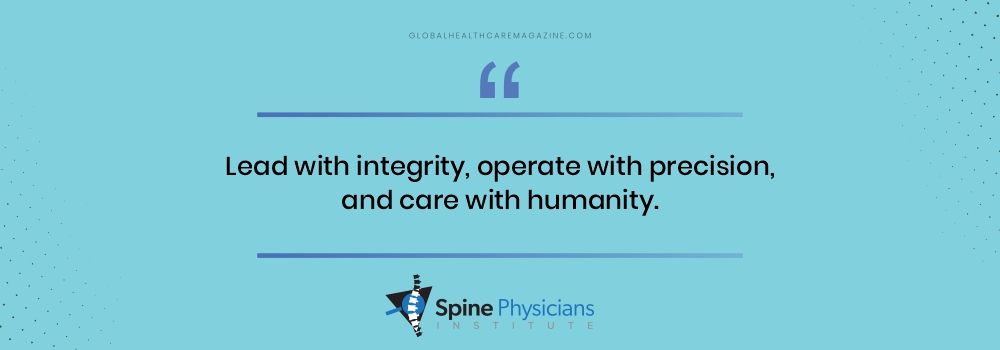
Dr. Sethuraman’s approach to medicine is defined by a clear and consistent philosophy. He believes in leading with integrity, performing each procedure with precision, and treating every patient with genuine humanity. “Every patient deserves a surgeon who sees them as a whole person, not just a spine condition,” he says.
For him, the mission goes beyond technical skill. It is about restoring function, relieving pain, and helping people return to the lives they value. Every decision, every procedure, and every consultation reflects a commitment to excellence and compassion. Dr. Sethuraman measures success not just in surgical outcomes, but in the confidence, independence, and quality of life his patients regain. His dedication remains steady, driven by the belief that thoughtful, patient-centered care can transform not only the body but the experience of living itself.
Quotes
Also Read: The Most Prominent Leaders in Healthcare Services & Hospitals to Watch in 2026