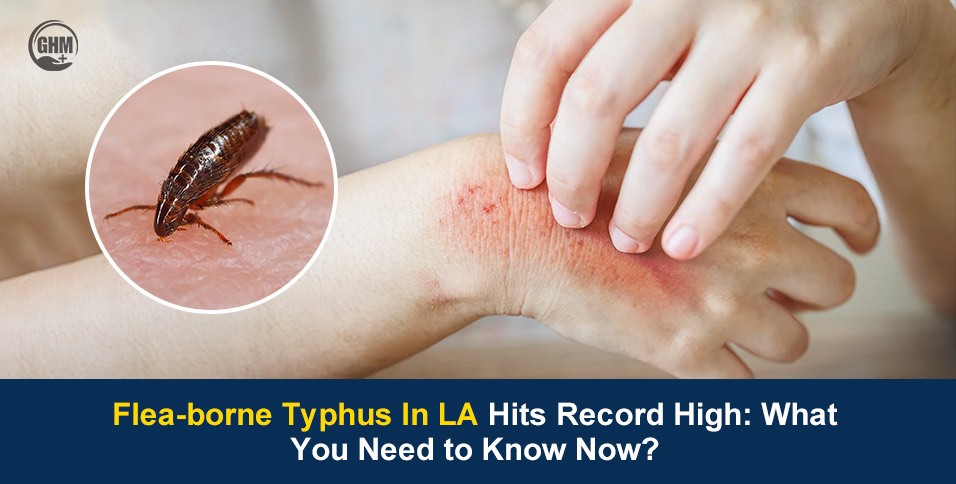
Flea-borne typhus in LA has reached record levels, prompting a countywide public health alert and urging residents to take preventive measures. Los Angeles County had reported more than 220 cases in 2025, the highest number documented to date, where as nearly 90% of infected individuals required hospitalization. Health officials have raised concerns not only about the rising case count but also the severity of the illness.
Flea-borne typhus, a bacterial infection transmitted by infected fleas, is also part of a broader trend of increasing vector-borne diseases in the US, where infections spread by insects are becoming more common.
The growing cases of flea-borne typhus in LA highlight the growing risk of zoonotic disease transmission, particularly in urban environments where humans, pets, and wildlife frequently interact.
What Is Flea-borne Typhus Disease
Flea-borne Typhus, also known as murine typhus, is a bacterial infection caused by Rickettsia typhi. It spreads to humans through infected fleas.
Fleas typically become infected after biting animals like rats, cats, and opossums.
How Flea-borne Typhus Spreads
Fleas bite infected animals, and fleas carry bacteria in their feces.
Infection occurs when:
- Flea dirt enters broken skin
- It is rubbed into the eyes
- Or inhaled (rare cases)
People without pets can get infected, making this murine typhus outbreak more widespread than expected.
This disease does not spread from person to person, which is an important distinction.
Symptoms of Flea-borne Typhus Disease
Symptoms of Flea-borne typhus typically appear within 3 to 14 days after exposure. Many people don’t even realize they’ve been bitten by fleas, which makes early detection harder.
Common Symptoms
- Fever and chills
- Headache
- Muscle aches
- Rash (often appears later)
Other Warning Signs
- Nausea and vomiting
- Stomach pain
- Loss of appetite
- Cough
While most cases are treatable, flea-borne typhus can become severe if left untreated. In rare cases, it may lead to:
- Organ damage
- Neurological complications
- Pneumonia
Although deaths are uncommon (less than 1%), the high hospitalization rate makes this flea-borne disease in California a serious public health concern.
Who Is Most at Risk of Flea-borne Typhus In LA?
The current surge in flea-borne typhus in LA shows that risk is not limited to specific groups.
Higher Risk Individuals
- Pet owners without regular flea control
- People living near rodents or wildlife
- Residents in densely populated urban areas
Importantly, health officials warn that anyone can be at risk, regardless of lifestyle.
Why Flea-borne Typhus In LA Is Rising
The recent health alert points to a steady increase in flea-borne typhus cases in LA County. With,
- 220 cases in 2025
- Up from 187 cases in 2024
Health officials say this rise in flea-borne typhus in Los Angeles County is linked to several factors:
Urban and Environmental Drivers
- Growing rodent populations
- Increase in stray animals
- Closer contact between humans and wildlife
Localized Outbreak Clusters
Cases have been reported across the county, with hotspots in:
- Central Los Angeles
- Santa Monica
- Willowbrook
Dr. Muntu Davis, a county health officer, emphasized the urgency, noting that “Flea-borne typhus can cause serious illness, but it is preventable with simple steps.”
How to Stay Safe In Flea-borne Typhus Outbreak
Health officials strongly recommend the following steps to protect against flea-borne typhus in Los Angeles County.
1. Protect Yourself
- Use insect repellents outdoors
- Avoid contact with fleas and stray animals
2. Protect Your Pets
- Apply year-round flea control treatments
- Schedule regular veterinary check-ups
3. Secure Your Home
- Keep trash bins tightly closed
- Remove yard debris and trim vegetation
- Block entry points for rodents
4. Community Measures
- Do not feed stray animals
- Report sick or stray animals to local authorities.
Conclusion
The rise of flea-borne typhus in LA reflects a larger pattern of increasing vector-borne diseases in the US. Once considered rare, this illness is now re-emerging in regions like California, Texas, and Hawaii.
Historically, typhus has existed for centuries, but modern urban conditions are creating new opportunities for its spread. Experts warn that without increased awareness, animal-borne diseases could become a growing challenge in urban health systems.
The flea-borne typhus in LA is a public health alert for both residents and health authorities. With cases at an all-time high and most requiring hospitalization, awareness and prevention are more important than ever.
As the Los Angeles County authorities urge, staying informed is the first step to staying safe.