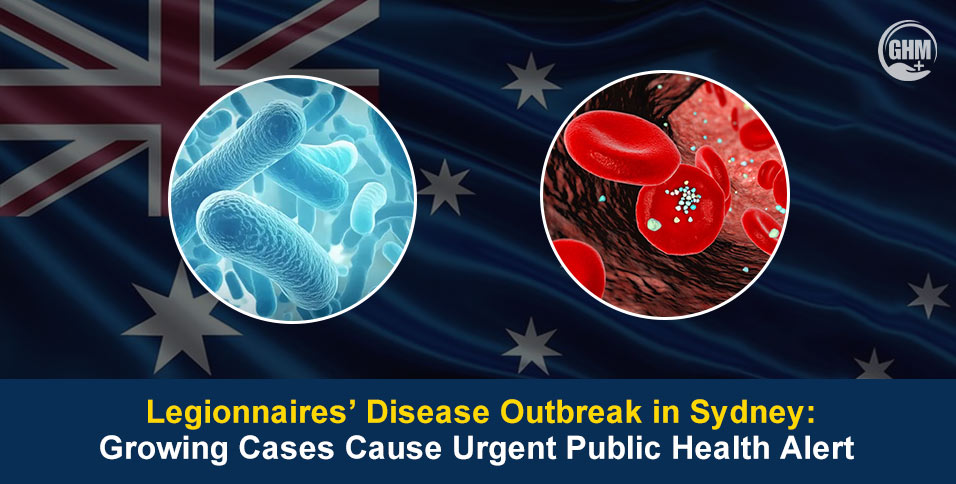
The Legionnaires’ disease outbreak in Sydney is spreading rapidly, with four individuals testing positive and being hospitalised. The health authorities confirm multiple cases of this serious lung infection clustered in the city’s Central Business District (CBD).
The residents, visitors, and workers in the Clarence Street and Wynyard area are being urged to stay alert for symptoms and seek prompt medical advice if they believe they may have been exposed.
What Is Happening in Sydney’s CBD?
The Legionnaires’ disease outbreak in Sydney has been linked to four people who all spent time near Clarence Street and Wynyard in the CBD between December 9 and December 18, 2025.
These individuals, who were not known to each other, have been hospitalised with the infection.
Health authorities are investigating the source of the outbreak, with a particular focus on cooling towers and other environmental sources that can harbour Legionella bacteria.
In many outbreaks, poorly maintained water systems, like building cooling towers, become contaminated. The fine droplets containing the bacteria can be released into the air, where they may be inhaled and cause Legionnaires’ disease.
Local Health Authorities in Sydney are working to inspect local cooling water systems as part of their response. Building managers have been urged to check that all systems are properly maintained and comply with public health rules to reduce the risk.
What is Legionnaires’ Disease
Although the term may sound unfamiliar to many, Legionnaires’ disease is a well-known form of pneumonia that can be serious if not treated quickly. It starts when a person inhales small droplets of water contaminated with Legionella bacteria.
Here’s what you should know:
- Cause: Infection with Legionella bacteria. These bacteria thrive in warm, stagnant water such as cooling towers, hot water systems, and decorative fountains.
- Transmission: Not spread from person to person; infection occurs by inhaling contaminated airborne droplets.
- Incubation period: Symptoms typically appear 2 to 10 days after exposure.
Symptoms to Watch For In This Outbreak
If you were in the Sydney CBD, especially around Clarence Street or Wynyard, between early and mid-December, it’s important to recognise symptoms early.
Common signs of Legionnaires’ disease include:
- Fever and chills
- Persistent cough
- Shortness of breath or difficulty breathing
- Fatigue or muscle aches
These symptoms are similar to other respiratory illnesses, so if they develop within about 10 days of contact with the affected area, seek medical advice promptly. Early testing and treatment improve outcomes.
Who Is at Risk In Legionnaires’ Disease Outbreak
While anyone can contract Legionnaires’ disease, some groups are at higher risk of severe infection:
- Older adults and seniors
- People with underlying lung or chronic health conditions
- Current or former smokers
- Individuals with weakened immune systems
Health professionals advise that those in these groups should be especially vigilant if they were in the affected area.
Public Health Action and Community Guidance
In response to the Legionnaires’ disease outbreak in Sydney, health officials have taken several actions:
- Public health alert issued by SESLHD and NSW Health advising anyone who was in the CBD since December 9 to monitor for symptoms.
- Investigation of environmental sources, particularly cooling towers, to identify and mitigate any contaminated sites.
- Advisory to building managers to review maintenance and cleaning protocols for water systems to prevent bacterial growth.
Dr Vicky Sheppeard,Public Health Unit director, explained that “people may be exposed if contaminated water particles from a cooling system are in the air and breathed in, and urged vigilance in the community”.
Looking Ahead: Staying Informed and Safe
Outbreaks of Legionnaires’ disease can occur in urban environments where complex water systems are common. Australia has seen periodic clusters in major cities, and stringent public health measures help limit their impact.
If you believe you may have been exposed during a visit to Sydney’s CBD or have symptoms consistent with Legionnaires’ disease, contact your healthcare provider as soon as possible. Quick diagnosis and appropriate antibiotic treatment are key to recovery.