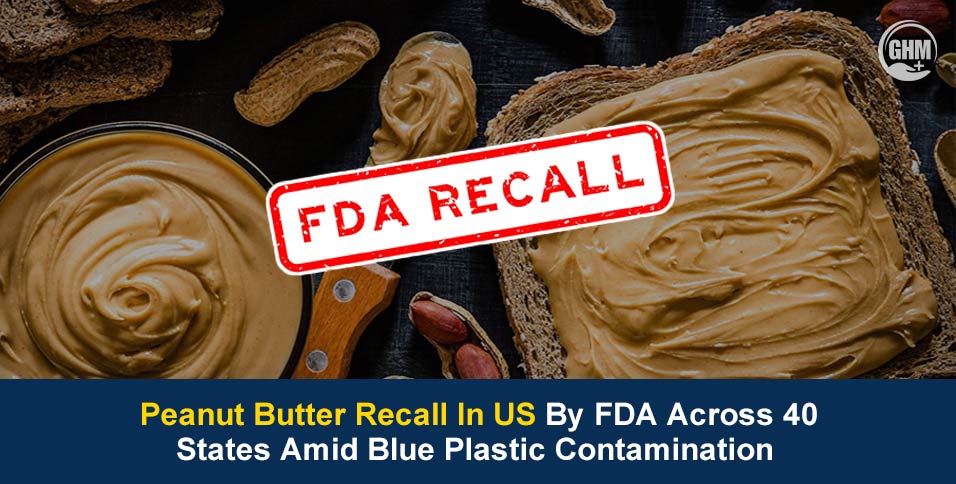
Recently, the Food and Drug Administration issued a peanut butter recall in US that spans 40 states, after reports of plastic contamination in 22,000 widely distributed peanut butter items, raising fresh concerns about food safety.
The recall, involving thousands of jars shipped across dozens of states, has prompted urgent consumer advisories and renewed scrutiny of manufacturing safeguards in packaged foods. The affected products were traced back to manufacturing operations run by Ventura Foods.
Authorities warn that the presence of foreign materials could pose serious health risks, particularly to children and older adults.
Why Did The Peanut Butter Recall In US Happen?
The primary concern involves blue plastic fragments found inside the product. During a routine quality check at a Ventura Foods facility, workers discovered pieces of blue plastic lodged in a production filter. Unfortunately, some fragments likely bypassed these filters and entered the final packaging.
The U.S. Food and Drug Administration (FDA) officially classified the peanut butter recall in US as a Class II event on February 12, 2026. This classification indicates that while the risk of serious permanent harm is low, the product could cause temporary or medically reversible health issues.
Timeline of the Recall
- April 30, 2025: Ventura Foods initiated a voluntary recall after the initial discovery.
- Late 2025 – Early 2026: Distribution data revealed the contamination reached 40 states.
- February 12, 2026: The FDA updated the status to a Class II recall, intensifying the urgency for institutional kitchens and consumers.
Which Products Are Affected By The Plastic Contamination?
The peanut butter recall in US specifically targets single-serve portion packs often found in hospitals, schools, and cafeterias. It does not currently affect standard 16-ounce jars sold in retail grocery aisles.
Brands and Packaging Details
The following brands are currently included in the peanut butter recall by the FDA:
| Brand Name | Product Type | Case Quantity |
| US Foods | 0.75 oz Creamy Packs | 17,115 cases |
| Flavor Fresh | 0.5 oz Creamy Packs | 4,496 cases |
| House Recipe (Sysco) | 1.12 oz Creamy Packs | 516 cases |
| Katy’s Kitchen | PB&J Twin Packs | 929 cases |
| Gordon Food Service | 0.75 oz Creamy Packs | Included |
“Foreign material contamination is treated seriously by regulators because even small fragments can pose choking or injury risks,” noted an FDA safety report regarding the Ventura Foods incident.
The peanut butter recall in US impacts 40 states, including major hubs like California, New York, Texas, Florida, and Illinois. Only ten states, including Hawaii, Alaska, and Vermont, currently remain unaffected by this specific distribution.
What Health Risks Are Caused By Plastic Contamination?
Healthcare professionals warn that physical contaminants like plastic fragments pose unique dangers compared to bacterial outbreaks.
Physical Health Concerns
- Choking Hazards: Small, hard plastic pieces can easily lodge in the airway, especially in children.
- Internal Lacerations: Sharp edges on plastic fragments can cut the mouth, tongue, or throat.
- Gastrointestinal Injury: If swallowed, plastic can cause irritation or minor perforations in the digestive tract.
Symptoms Consumers Should Watch For
If you suspect someone has consumed a contaminated product from the recalled peanut butter, watch for:
- Sharp abdominal pain or cramping
- Vomiting or difficulty swallowing
- Blood in stool or persistent digestive discomfort
Such symptoms could indicate irritation or obstruction in the digestive tract and may require medical evaluation.
What Consumers Should Do Immediately?
Health officials advise a precautionary approach:
- Stop consuming any recalled peanut butter items immediately.
- Check packaging for matching lot numbers or recall identifiers.
- Return the product to the retailer or dispose of it safely according to local guidelines.
- Compare your peanut butter items against the official FDA recall database.
- Seek medical advice if ingestion is suspected and symptoms occur.
Parents and caregivers should be particularly cautious, as children may not recognize or report unusual textures that could signal contamination.
Future of Peanut Butter Items
Regulatory agencies continue to monitor the situation as investigations assess whether additional product lots or distribution regions may be affected. If new evidence emerges, the recall could expand further.
Manufacturers are also expected to review production line safeguards and implement corrective actions to prevent recurrence. Strengthening equipment inspection protocols and enhancing packaging integrity checks are likely to be part of the response strategy.
Other Recalls in 2026 Highlight Food Safety Concerns
The peanut butter recall in US follows a string of other food safety concerns this year. Recently, a tater tots recall involving McCain Foods and a baby food recall due to toxins have kept the FDA active. These events emphasize the need for rigorous oversight in high-volume food processing.
The growing frequency of recalls does not necessarily mean food is less safe; rather, it signals improved surveillance and quicker reporting mechanisms. Enhanced traceability tools now allow regulators to identify affected lots more precisely and notify consumers faster than in previous years.
Conclusion
The peanut butter recall in US serves as a vital reminder of the complexities within our global food supply chain. While no major injuries have been reported yet, the presence of blue plastic in over 22,000 cases remains a credible public health threat.
As Recalls in 2026 continue to spotlight the importance of robust food safety systems, from baby formula recall alerts to large-scale frozen food recalls, this incident reinforces the value of vigilance at both the regulatory and consumer levels. Staying informed and acting promptly remain the most effective defenses against preventable food-related health risks.