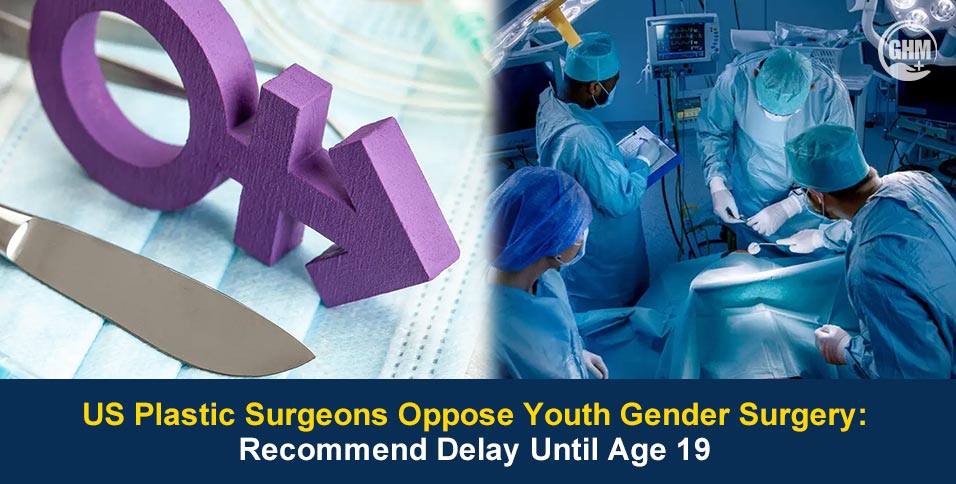
The American Society of Plastic Surgeons (ASPS) has taken a major step this week, as the plastic surgeons oppose youth gender surgery and recommend that gender-related procedures be delayed until a person turns 19 years old.
The position comes amid increasing debate over the safety, evidence, and ethics of gender transition surgery on adolescents. This move has captured attention from healthcare professionals, as it could transform surgery guidelines for developing bodies and the future of medicine.
What Does The New ASPS Statement Say?
In a new position statement, the ASPS advised doctors to avoid performing transgender surgery on minors and instead wait until at least age 19.
The primary reason plastic surgeons oppose youth gender surgery involves a lack of high-quality clinical data.
The society, which represents over 11,000 cosmetic and reconstructive plastic surgeons, highlighted the “low certainty” regarding long-term mental health outcomes for minors. The group identified an unfavorable risk-benefit ratio for patients under 19.
The organization emphasizes that gender-affirming surgery on minors carries risks that require adult maturity to navigate. They argue that the American Gender Movement has outpaced the available scientific evidence. Consequently, they advocate for a more cautious, evidence-based approach.
The ASPS statement underscores the irreversible nature of many gender-affirming procedures. They say that development during adolescence may affect how individuals experience physical and psychological outcomes later in life.
Why Do Plastic Surgeons Oppose Youth Gender Surgery Now?
Focus on science and patient safety:
- Limited quality data: Major reviews, including from the U.S. Department of Health and Human Services, indicate that research on gender-affirming surgery in minors is limited and has many uncertainties.
- Developing bodies: Adolescents are still physically and emotionally developing, raising questions about the long-term effects of early surgery.
- Ethical concerns: The society says doctors must balance compassion with scientific rigor and avoid irreversible procedures without strong evidence.
ASPS has also made clear that its recommendation isn’t a clinical practice guideline but a professional guideline to help surgeons consider evidence and risks when treating younger patients.
What Procedures Are Affected By The ASPS Advice?
The position specifically suggests delaying all kinds of gender transition surgery for minors, including:
- Chest surgeries (e.g., top surgery)
- Genital procedures
- Facial surgeries
These are major surgical interventions that permanently change the body and require extensive pre-surgical assessments.
It’s important to note that the ASPS’s statement does not directly address hormone therapy or puberty blockers, which are different parts of gender-affirming care and which follow separate clinical guidelines.
How Did The Government & Medical Community React?
The position has drawn praise from U.S. federal health officials. Health and Human Services Secretary Robert F. Kennedy Jr. called the stance “protecting children from harmful procedures” and said it reflects sound science.
At the same time, other large medical groups, including the American Academy of Pediatrics and the World Health Organization, have raised concerns that new federal policies may interfere with clinical judgment between doctors and patients.
The American Medical Association (AMA) also agreed that existing evidence on youth gender-affirming surgery remains insufficient and generally supports deferring such surgeries until adulthood.
The healthcare advocates believe that multidisciplinary teams should decide care on a case-by-case basis rather than using age-based bans.
What Do The Critics Debate On Surgeon Statements?
The announcement has sparked debate across healthcare and policy arenas:
- Supporters of the ASPS decision say prioritizing safety and evidence is essential when irreversible surgeries are involved.
- Critics argue that restricting surgeries can harm transgender youth who benefit medically and psychologically from timely care.
Despite the controversy, most health systems already require patients to be adults before undergoing major gender-affirming surgery, partly because these procedures are rare in minors and carry higher risks.
Furthermore, the government is considering new guidelines. This could limit federal funding for any sex denying surgery performed on minors under Medicare or Medicaid.
While plastic surgeons oppose youth gender surgery, the ASPS clarifies that they do not support the criminalization of doctors. Instead, they want clinical decisions to remain between patients, families, and care teams, rather than being mandated by age rules or political policy.
To Conclude
For now, as the plastic surgeons oppose youth gender surgery, it reflects a broader cautious approach to gender-affirming surgical care for young people in the United States. It emphasizes the importance of ongoing research, careful clinical judgment, and open discussion about risks and benefits among healthcare teams.
As more high-quality evidence becomes available and medical guidelines evolve, recommendations may be updated. We expect more organizations to review their stance on transgender surgery on minors.
For patients and families considering gender-affirming care, this development highlights the need for clear, evidence-informed guidance and shared decision-making with trusted healthcare professionals.