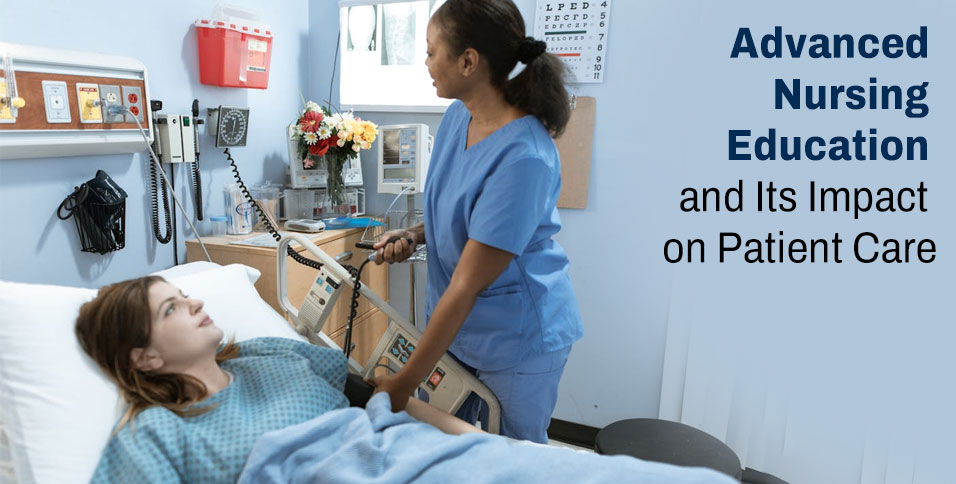
Modern healthcare no longer allows clinicians to rely on routine alone. Patients are living longer with multiple chronic conditions, treatment plans involve advanced technologies, and hospitals face constant pressure to meet strict safety benchmarks. In this environment, frontline nurses must think beyond tasks and checklists. They must interpret subtle changes in condition, anticipate complications, and coordinate across disciplines with confidence.
National organizations such as the American Association of Colleges of Nursing continue to call for a more highly educated nursing workforce, especially as many states adopt “BSN in 10” expectations. Healthcare systems serve both rapidly growing urban centers and rural communities with complex access challenges, increasing the need for nurses who understand population health as well as bedside care.
Elevating Educational Standards to Improve Clinical Outcomes
Healthcare leaders increasingly connect higher educational preparation with stronger patient outcomes and safer clinical environments. As care becomes more complex, many registered nurses begin looking for structured pathways to deepen their clinical knowledge and expand their leadership capacity. For those balancing rotating shifts, family responsibilities, and financial obligations, an RN to BSN online degree offers a practical solution, providing flexible scheduling, remote access to coursework, and the ability to immediately apply new concepts in real clinical settings without stepping away from the workforce.
Years of bedside experience build intuition and technical skill, yet today’s healthcare systems demand more than experiential knowledge alone. Structured academic coursework strengthens a nurse’s ability to analyze data, understand complex pathophysiology, and apply systems thinking to patient care challenges. Nurses who advance their education gain tools to interpret quality metrics, recognize emerging risks, and advocate for improved protocols.
Mastering Evidence-Based Practice: Bridging Research and Bedside Care
Evidence-based practice requires more than following established protocols. It demands the ability to evaluate new research, assess its validity, and determine whether it applies to a specific patient population. BSN-level education provides formal training in research methods and statistics, giving nurses confidence to question outdated routines and support change with credible data.
In daily practice, this skill set reduces variation in care. Nurses who understand how to integrate current evidence can refine pain management strategies, improve infection prevention measures, and participate actively in quality improvement projects. Instead of relying solely on tradition, they use research findings to guide decisions, which leads to more consistent and safer outcomes for patients.
Enhancing Clinical Judgment and Rapid-Response Capabilities
High-acuity settings require nurses to recognize subtle warning signs before a patient deteriorates. Advanced education strengthens assessment skills and sharpens clinical judgment through deeper study of physiology, pharmacology, and complex disease processes. Nurses learn to connect small changes in vital signs or lab values to broader patterns that may signal serious complications.
This preparation also improves teamwork during emergencies. A nurse with strong analytical training communicates concerns clearly, activates rapid-response systems appropriately, and collaborates effectively with physicians and respiratory therapists. Faster recognition and coordinated action can prevent cardiac arrests, reduce ICU transfers, and ultimately save lives.
Strengthening Leadership, Delegation, and Interprofessional Collaboration
Healthcare today depends on coordinated teamwork, and nurses often sit at its center. Advanced education introduces leadership theory, communication strategies, and conflict resolution skills that many clinicians do not formally study in associate-level programs. These competencies prepare nurses to guide huddles, manage patient assignments thoughtfully, and step into charge or supervisory roles with confidence.
Clear delegation also protects patient safety. When nurses understand the scope of practice and accountability frameworks, they assign tasks appropriately and follow up effectively. Education in interprofessional collaboration strengthens partnerships with physicians, pharmacists, therapists, and case managers. That shared understanding improves discharge planning, reduces readmissions, and supports smoother transitions across care settings.
Navigating Healthcare Policy and Social Determinants of Health
Clinical decisions do not happen in isolation. Reimbursement models, state regulations, and federal policies directly shape how care is delivered. Advanced nursing education exposes clinicians to health policy analysis and the structure of healthcare financing, allowing them to understand why certain protocols exist and how policy changes affect patient access.
Coursework on the social determinants of health further expands that awareness. Nurses learn to assess factors such as housing stability, food security, education, and transportation when planning care. This broader lens supports more realistic discharge plans and culturally responsive interventions. Nurses who understand policy and social context can advocate more effectively for patients both inside and outside the hospital.
Community and Population Health: Extending Care Beyond Hospital Walls
As healthcare systems shift toward value-based care, preventing illness becomes just as important as treating it. BSN-level education emphasizes population health principles, epidemiology, and community assessment. Nurses learn to analyze trends in chronic disease, vaccination rates, and health disparities within specific regions.
This knowledge translates into practical action. Nurses contribute to community screening programs, chronic disease management initiatives, and public health campaigns that reduce avoidable hospitalizations. By addressing health risks upstream, they help decrease emergency department overuse and improve long-term outcomes. The impact extends far beyond individual patient encounters and strengthens communities’ overall health.
Professional Sustainability: Combating Burnout Through Empowerment
Burnout remains a serious concern across the nursing workforce. Heavy workloads, emotional strain, and limited autonomy can erode job satisfaction over time. Advanced education helps counter these pressures by increasing professional confidence and expanding career options. Nurses who understand systems-level operations often feel more in control of their practice environment.
Greater autonomy also supports long-term resilience. With additional credentials, nurses can pursue roles in education, case management, informatics, or leadership, reducing physical strain while staying engaged in meaningful work. Empowered clinicians tend to participate in shared governance and policy discussions, which strengthens retention and promotes a healthier workplace culture.
Advancing Education as a Commitment to Safer Patient Care
Advanced nursing education strengthens patient care on multiple levels. It supports safer delegation, stronger interdisciplinary teamwork, and more informed advocacy within complex policy environments. It prepares nurses to address social determinants of health and to think beyond the bedside toward community-wide impact.
Just as importantly, it promotes professional sustainability by fostering autonomy and leadership. When nurses invest in deeper academic preparation, patients benefit from sharper clinical judgment, coordinated care, and a workforce equipped to meet modern healthcare demands.